Golden Hour
There is a moment, twice a day, when the physics of the atmosphere conspires to give you everything at once.
Most of the time, light involves trade-offs. Midday sun is bright and directional, but it is also harsh — the shadows are dense and short, the contrast is brutal, and the colour is flat and neutral. Overcast light is soft and even, flattering to faces and forgiving of composition, but it is also directionless and tonally grey.
Dawn light on a cloudy day is gentle and cool, but there is nothing much to work with in terms of shape or shadow. Every condition offers some qualities and withholds others. This is not a complaint — it is the reality that keeps photography interesting — but it is a constraint you are working within almost all of the time.
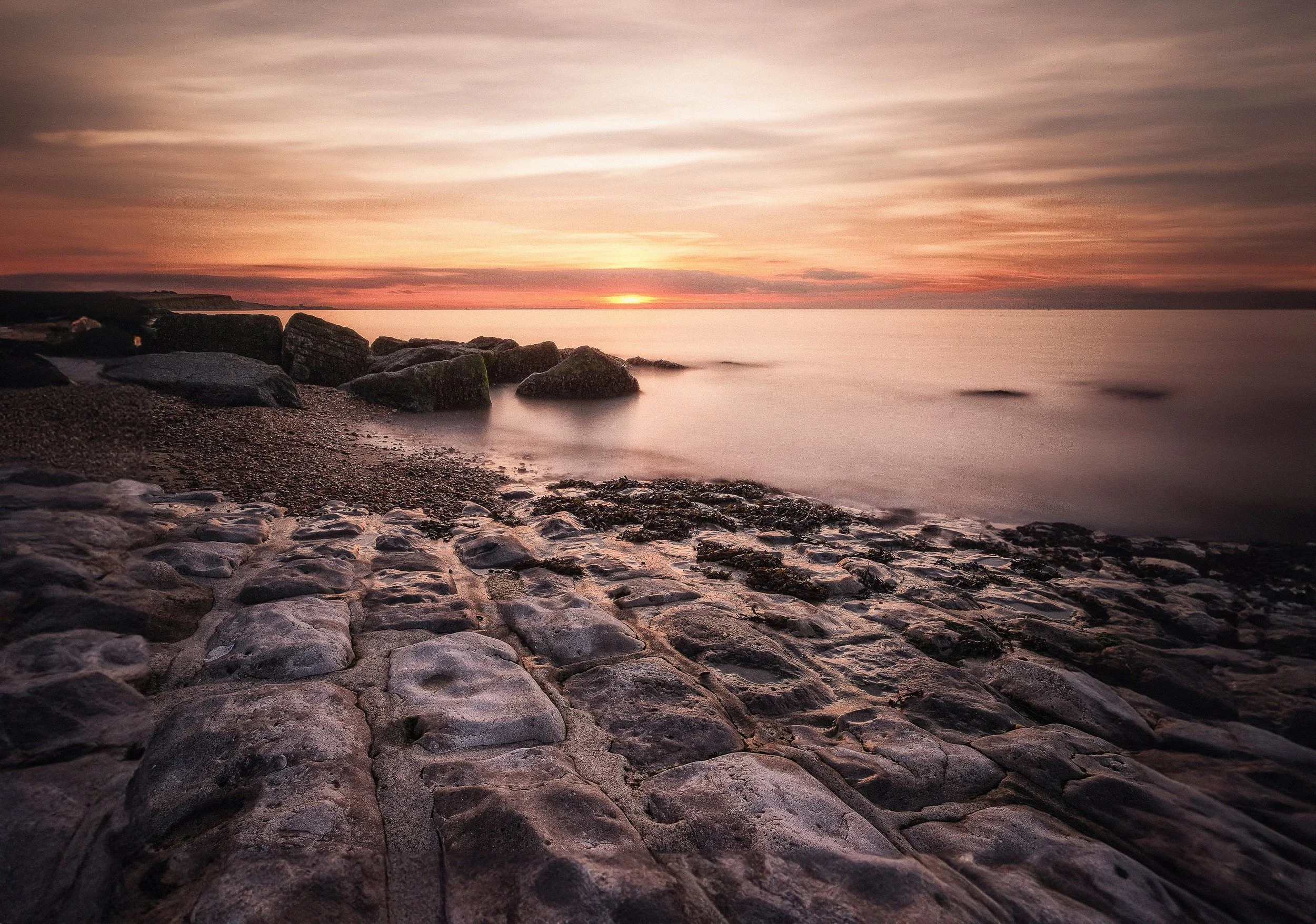
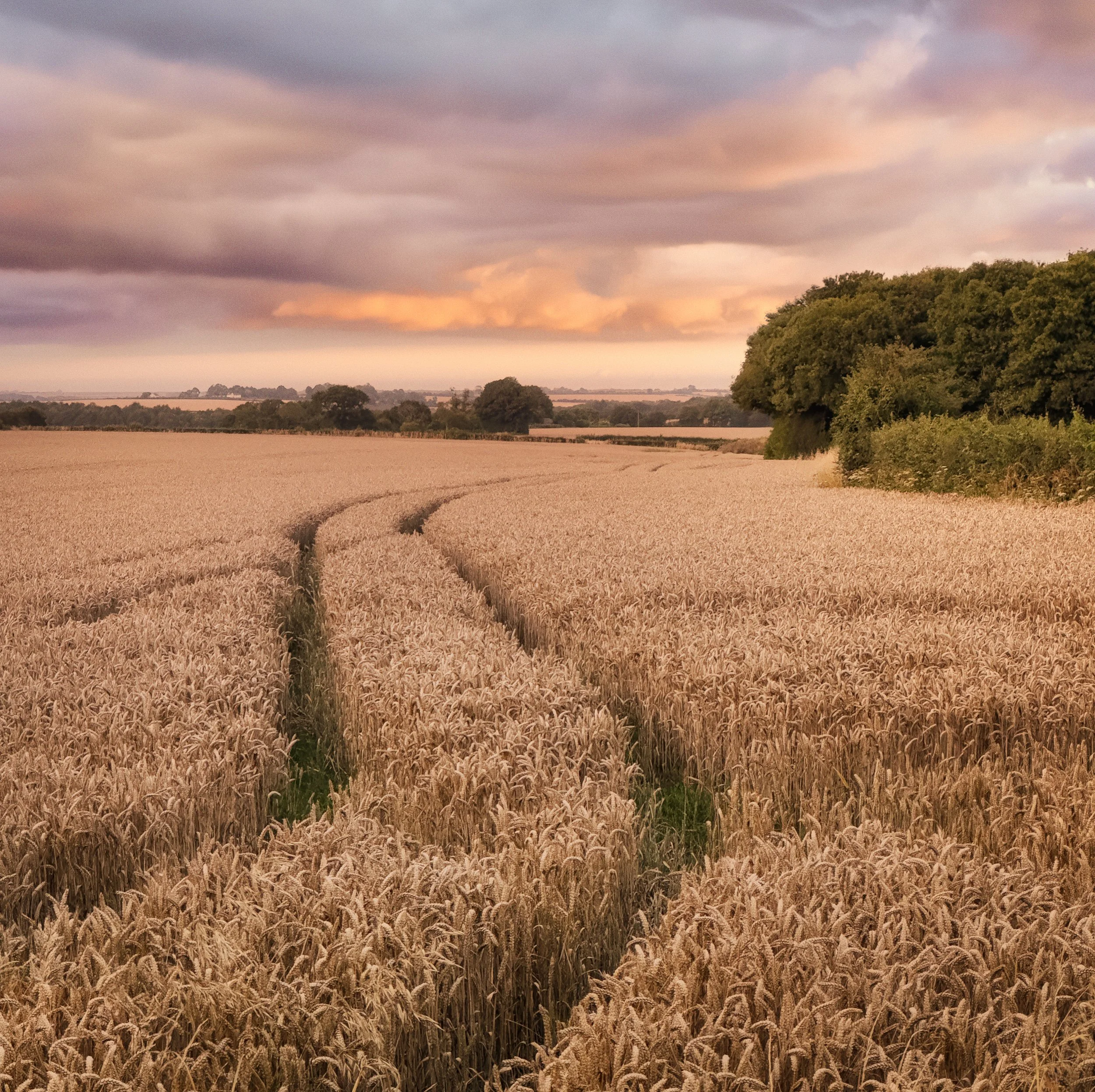
During the golden hour, the constraint briefly lifts. The light is directional, but it is also soft. It is warm in colour, but it is also tonally manageable — the dynamic range is not the punishing spread of bright sun against deep shadow. Shadows are long and dramatic, but they are legible, not opaque. The sky is often its own subject: layered, coloured, three-dimensional. And all of this lasts, depending on where you are and what time of year it is, between about twenty minutes and several hours.
This is why photographers have been pursuing this light since photography was invented. It is why some of the most celebrated images in the history of the medium were made in the hour before sunset or the hour after sunrise. And it is why cinematographers, working independently, came to exactly the same conclusion and called it, with a degree of professional drama, the "magic hour."
A note before we go further: the golden hour is not always golden. On a heavily overcast day, the low sun is invisible behind cloud, and the warm light never materialises — you get a gradual dimming instead of a transformation. And the golden hour is not always an hour. Both of these facts are worth knowing before you set your alarm.
Physics : What is Golden Hour?
When sunlight enters the Earth's atmosphere, it does not travel through a vacuum to your lens. It travels through air — a mixture of gas molecules, water vapour, and particulates — and those molecules interact with the light in ways that depend on its wavelength.
This process is called Rayleigh scattering, named after Lord Rayleigh (John William Strutt, third Baron Rayleigh), who described its mathematics in 1871. The core finding is this: shorter wavelengths of light are scattered far more strongly than longer wavelengths. Blue light, with a wavelength of around 450–495 nanometres, scatters roughly ten times more readily than red light at 700 nanometres. The inverse-fourth-power relationship — scattering is proportional to 1/λ⁴, where λ is wavelength — means that even small differences in wavelength produce very large differences in scattering behaviour. This is why the sky is blue: the scattered blue light radiates in all directions and reaches your eye from across the entire sky dome.
When the sun is overhead at noon, its light passes through roughly one atmosphere-thickness of air to reach you. Atmospheric scientists call this an "air mass" of 1. At this point, some blue light has scattered, but enough remains that sunlight appears nearly white, with a colour temperature of approximately 5,500–6,500 Kelvin — what photographers think of as neutral daylight.
As the sun descends towards the horizon, the light must travel through progressively more atmosphere before reaching the observer. At 10° elevation, the air mass is approximately 5.6. At 5° elevation, it is approximately 10. At the horizon — 0° elevation — it is approximately 38. The light is now traversing thirty-eight times the atmospheric depth it covered at noon, and the exponential relationship between path length and scattering means that an enormous fraction of the blue end of the spectrum has been scattered away before it reaches you. What arrives at your lens is the residue: red, orange, amber, yellow. This is the mechanism of golden hour colour.
The same increased atmospheric path length that warms the light also diffuses it. The atmosphere acts as a very large, very gentle diffuser — not as dramatic as a full overcast sky (which is itself an enormous diffuse light source), but enough to soften shadow edges relative to midday sun.
This is crucial. Combined with the low angle — which creates long, directional shadows — the result is light with an unusual dual character: directional enough to reveal texture and create form, but soft enough not to be unpleasant. This is the quality that makes golden hour so photographically useful, and so difficult to replicate artificially.
What Colour Temperature Actually Means
Colour temperature is a way of describing the warmth or coolness of a light source, measured in degrees Kelvin. The scale is counterintuitively named: higher Kelvin values are cooler (bluer), and lower values are warmer (redder). Candlelight sits at around 1,800K. Tungsten lightbulbs are around 2,800K. Daylight is approximately 5,500K. A clear blue sky is 10,000K or above.
During golden hour, colour temperature drops to approximately 2,500–4,000K, depending on the sun's exact elevation and how much particulate matter is in the atmosphere. At the sun's last degrees above the horizon, it can be as low as 2,000–2,500K — approaching tungsten-lamp territory.
Your camera's auto white balance is designed to neutralise colour casts, treating warm light as a "problem" to be corrected. For most purposes, this is helpful. For golden hour photography, it is a hindrance: the camera will attempt to remove exactly the warmth that makes the light interesting.
If you want to retain what you actually saw — the amber on stone, the orange in a face, the red in the sky — you have several options. On a dedicated camera, shoot in RAW format: this preserves the full colour information, and you can adjust white balance freely in Lightroom or similar software after the fact.
On an iPhone, the native camera app shoots HEIC files with some white balance latitude, but for real control, shoot in RAW via Halide or Lightroom Mobile, and either lock the white balance manually (around 5,500–6,500K to preserve the warm tones) or adjust it in post. Locking AE/AF by pressing and holding the screen will also prevent the camera from chasing the rapidly changing light and resetting exposure mid-sequence.
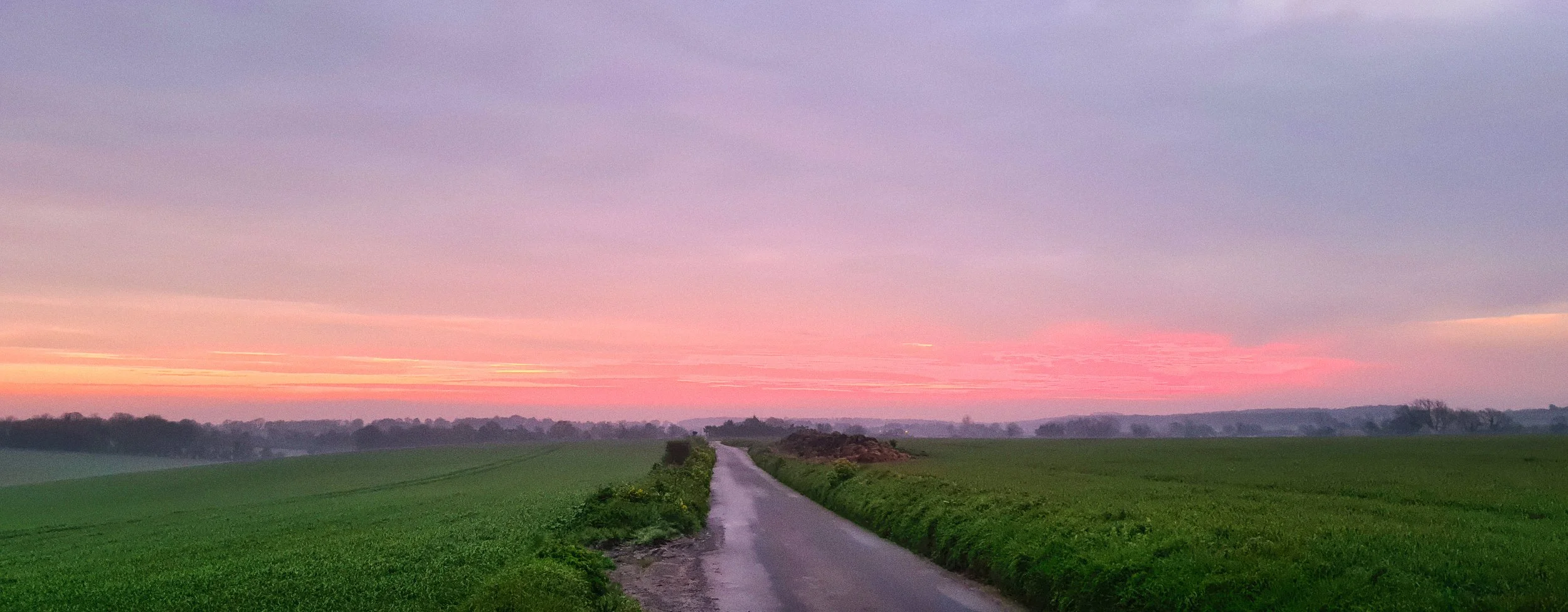
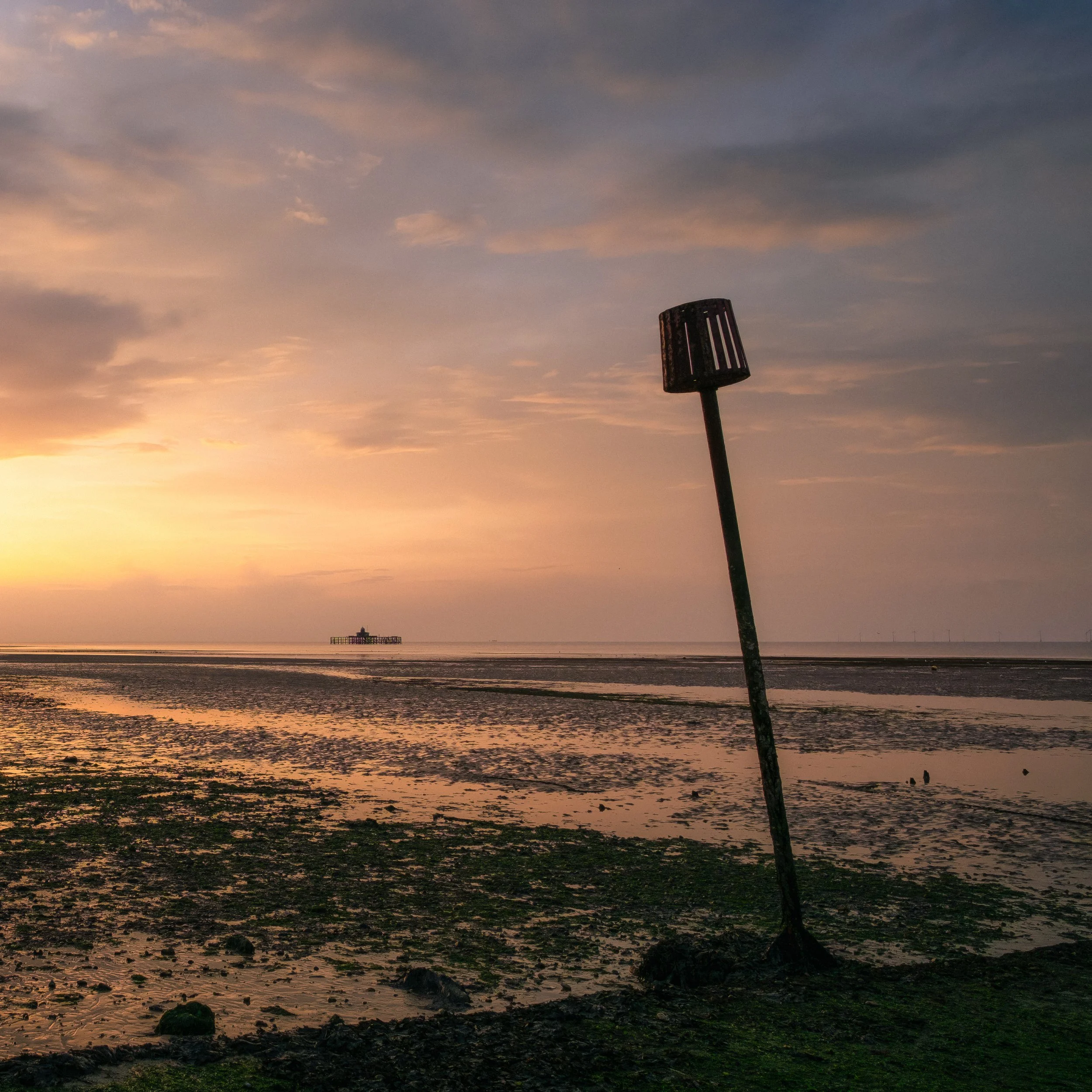
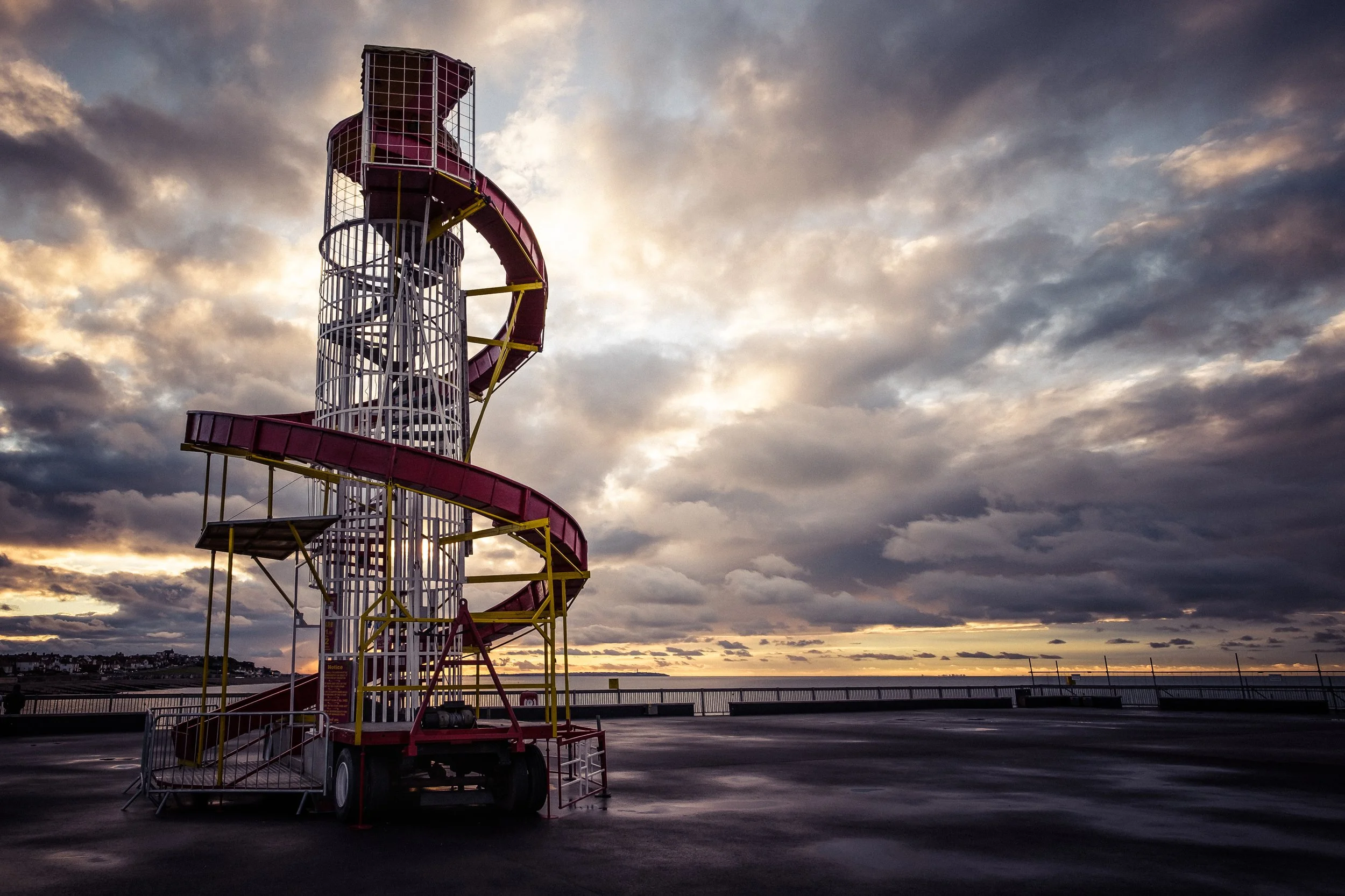
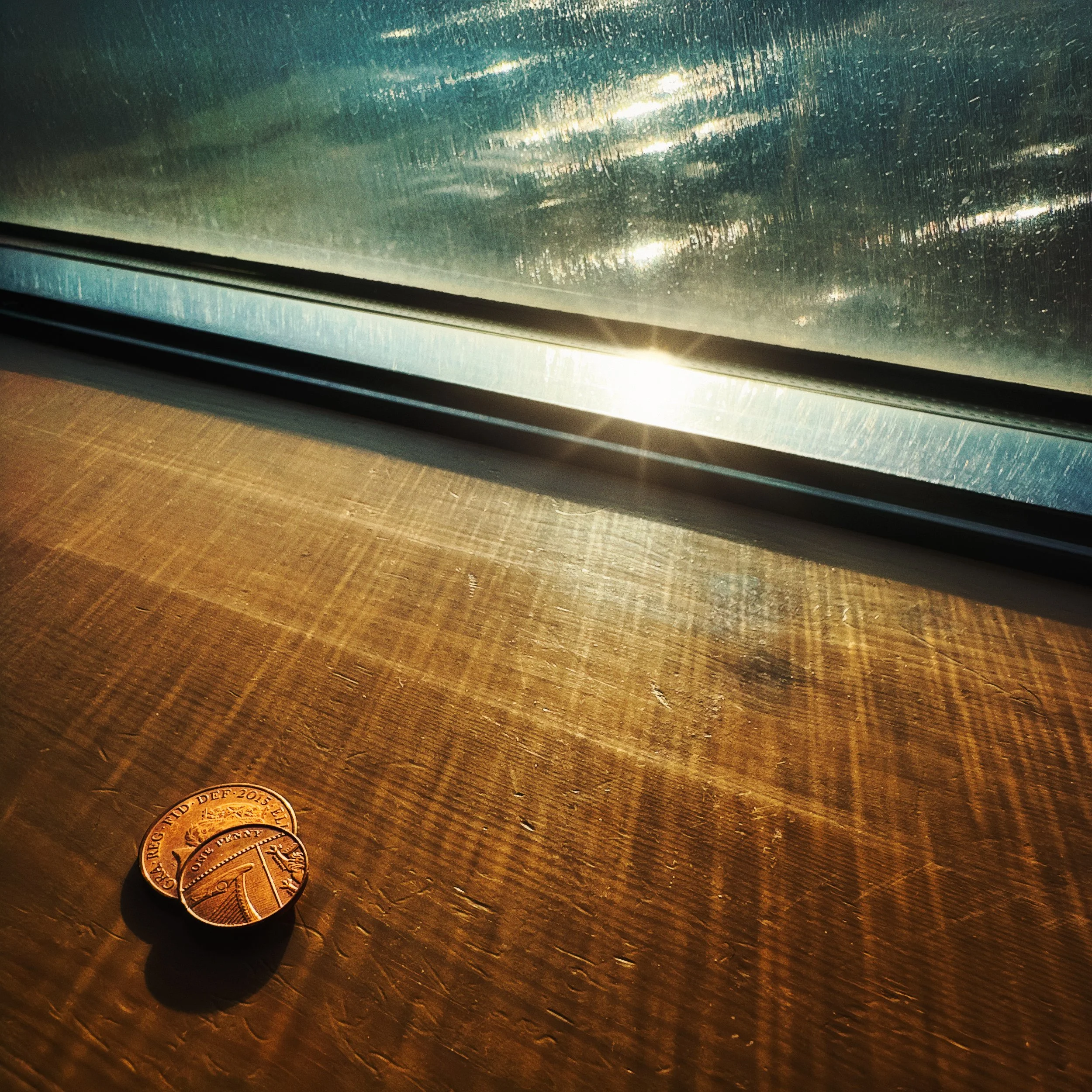
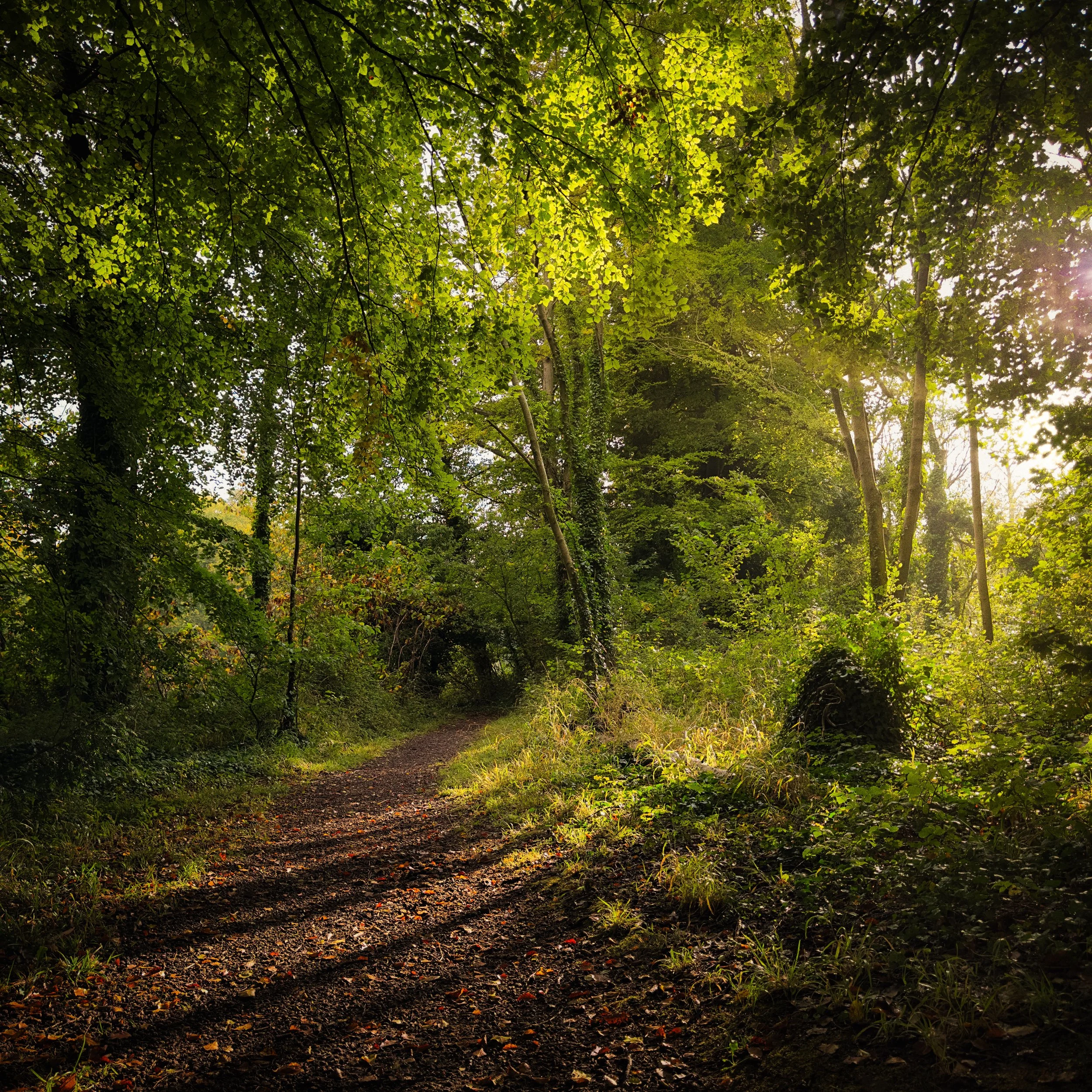
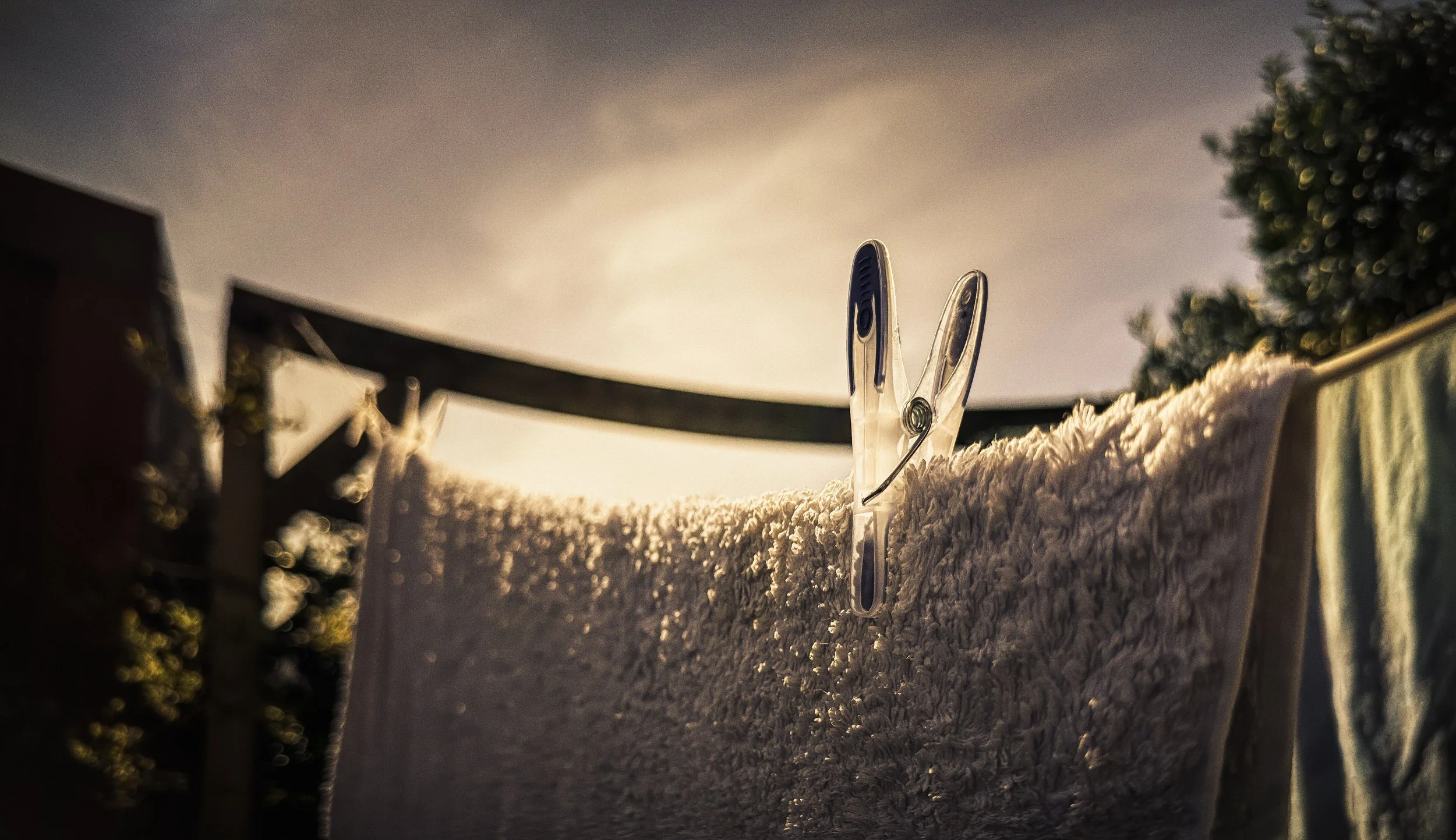
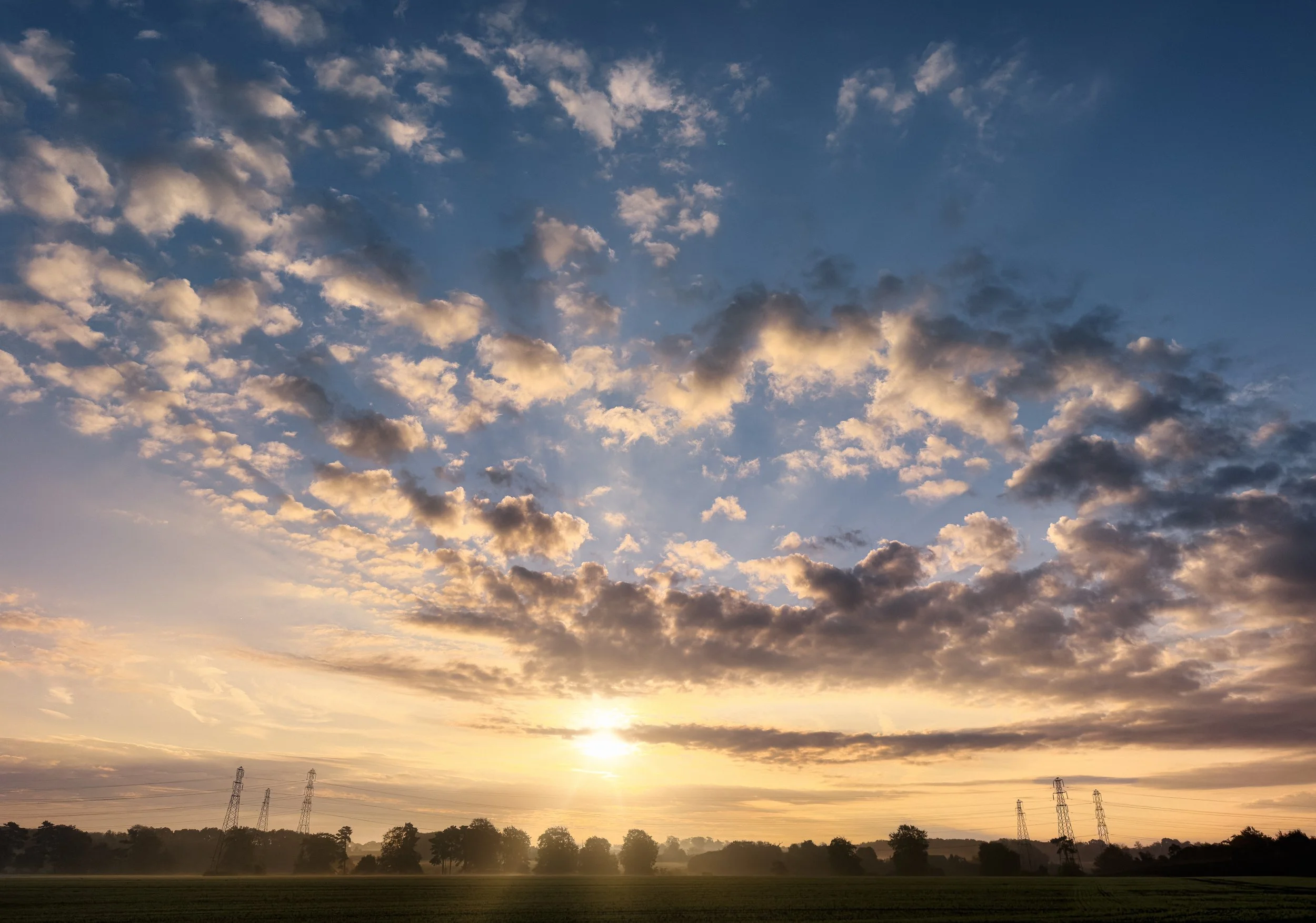
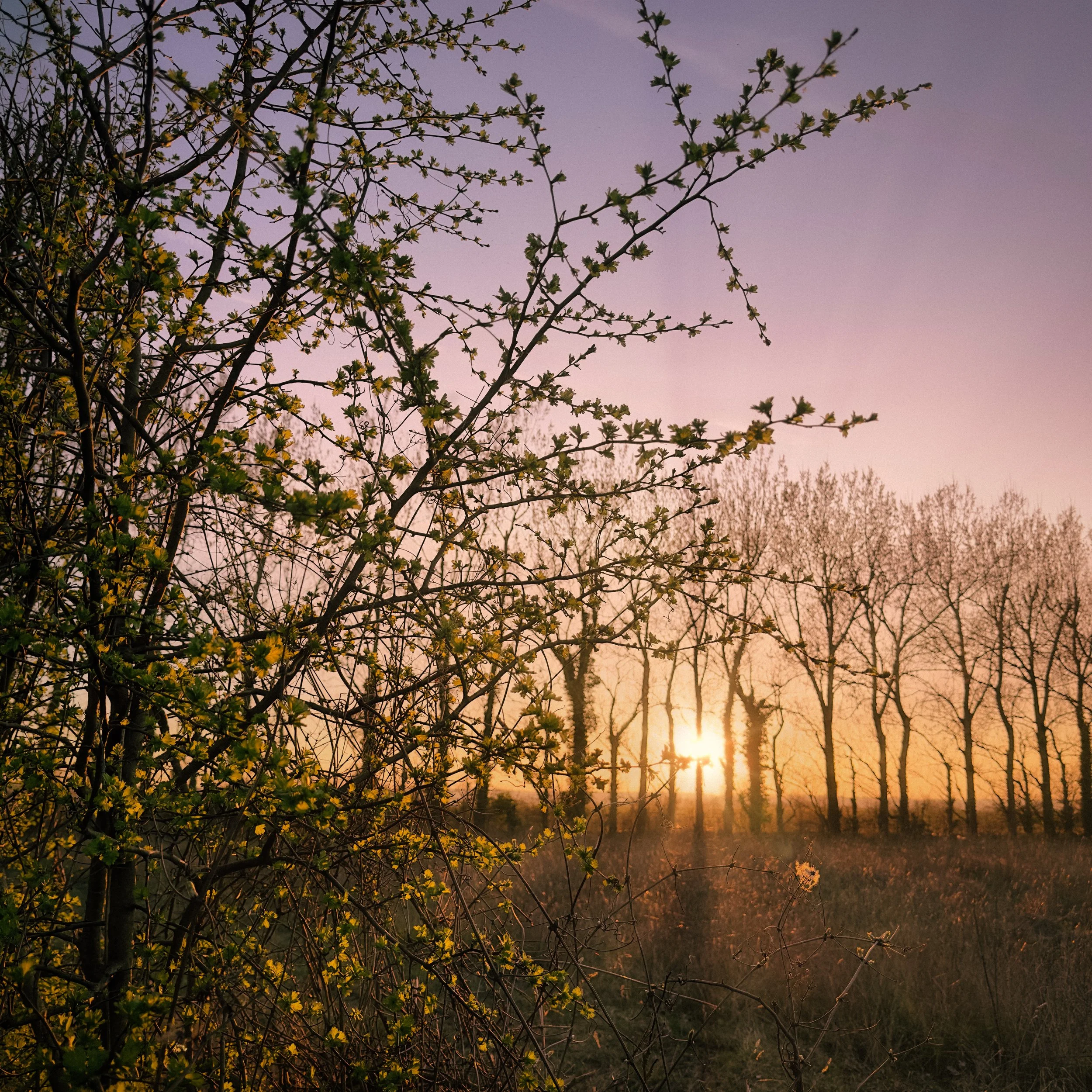
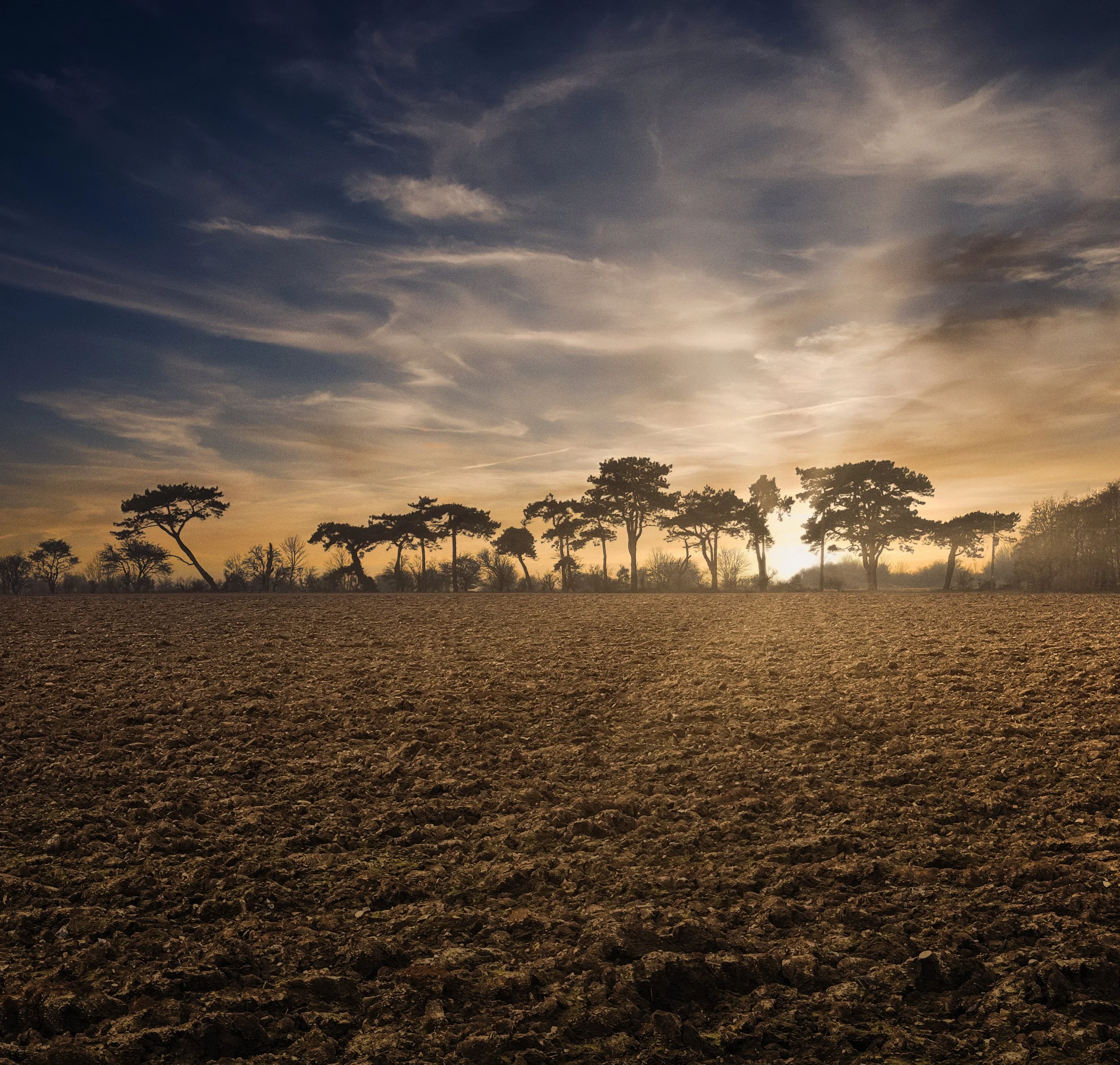
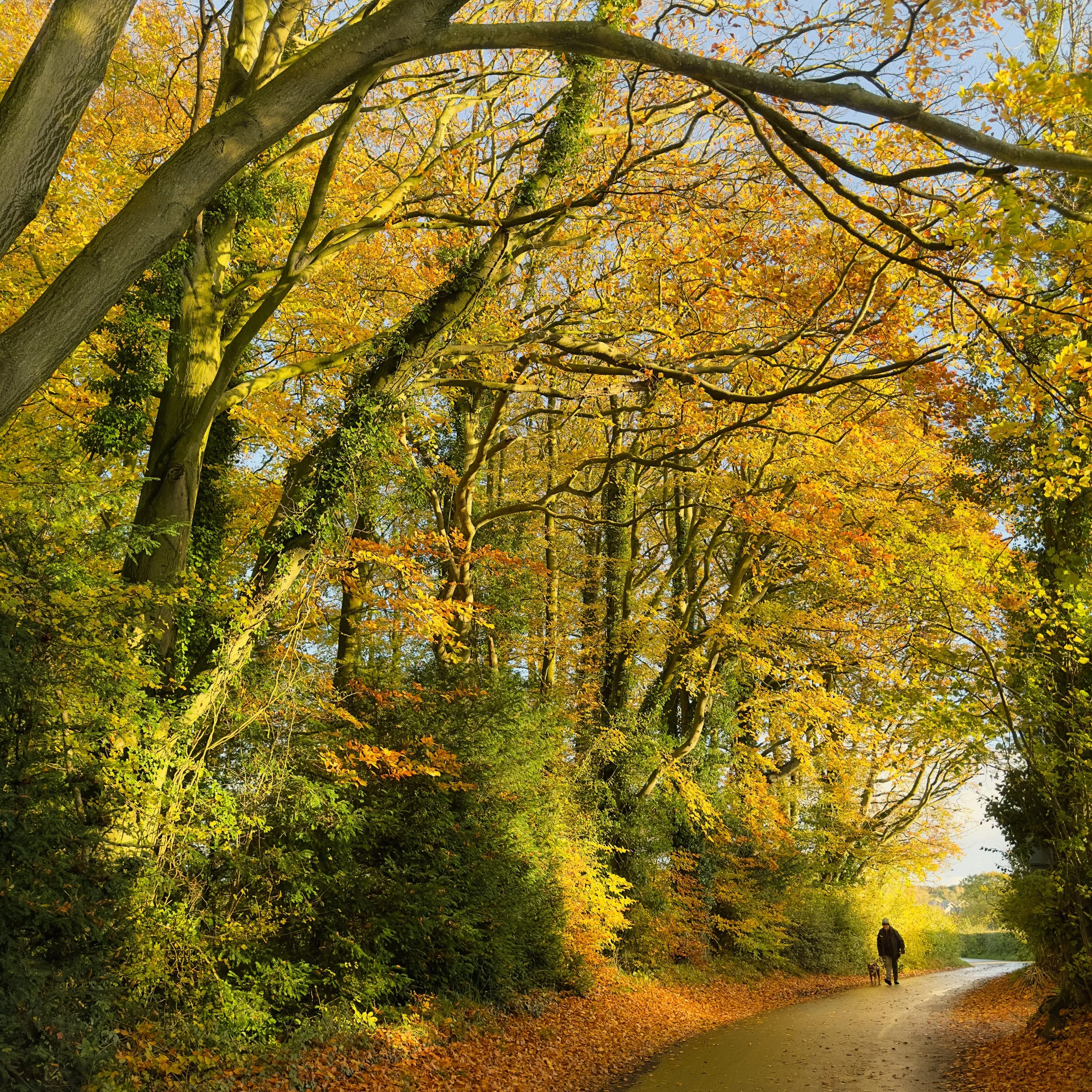
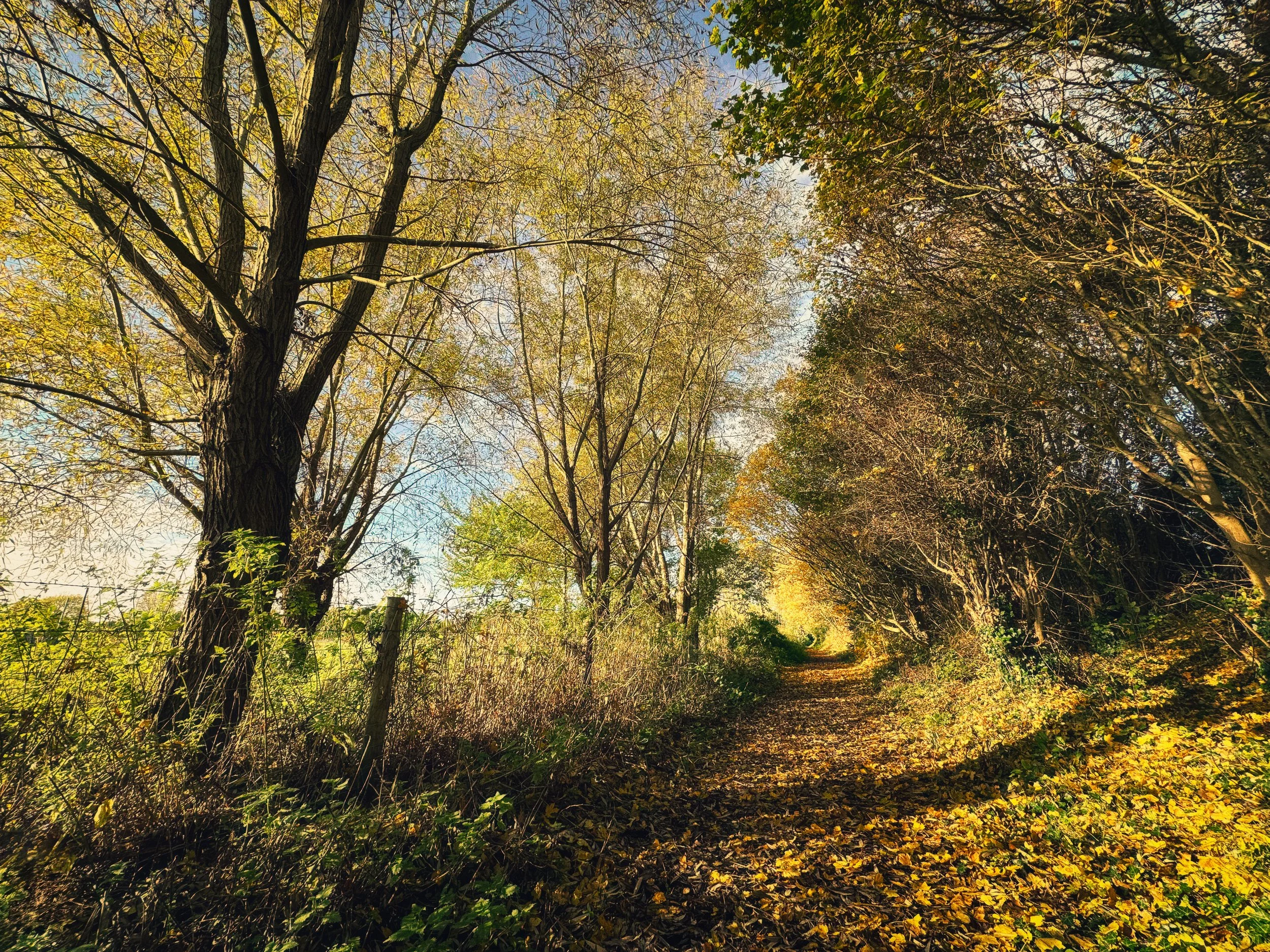
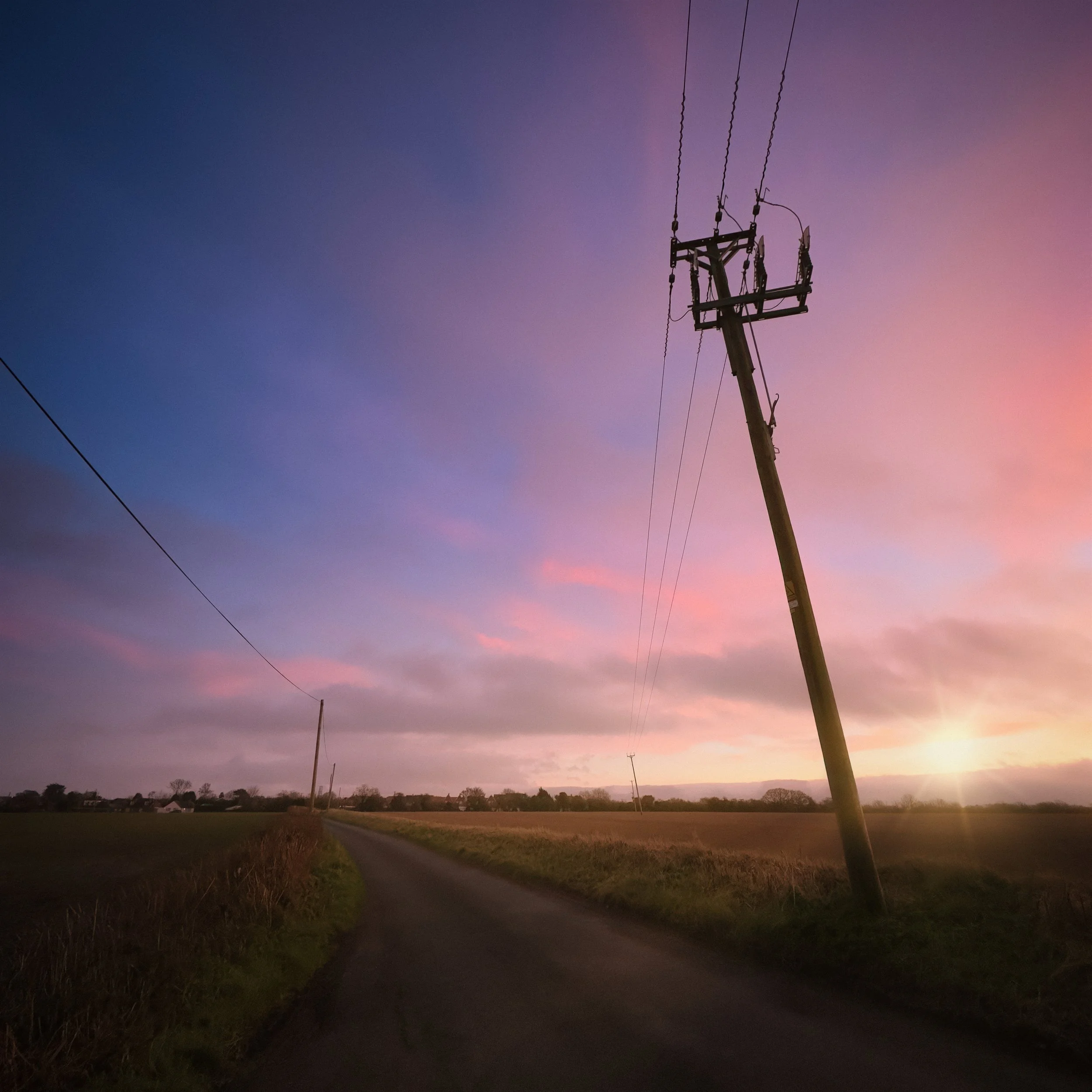

Why Morning & Evening Golden Hours Differ
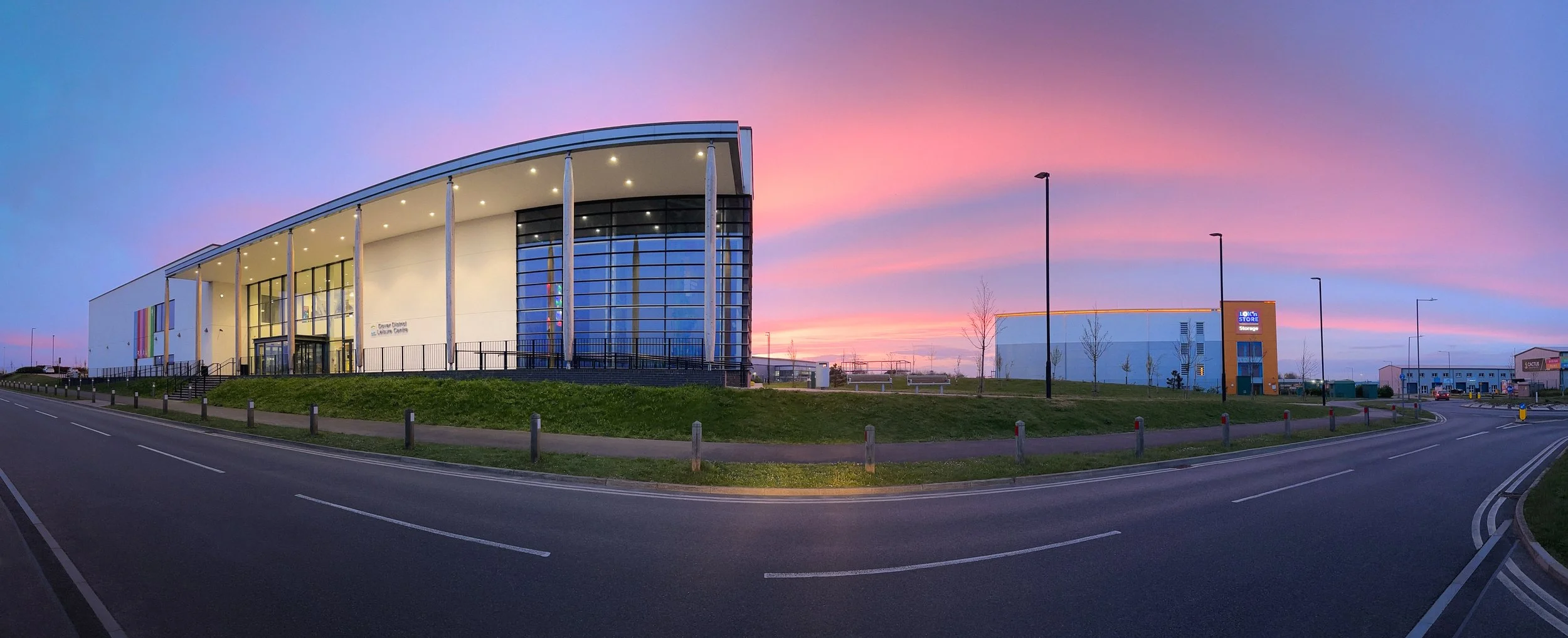
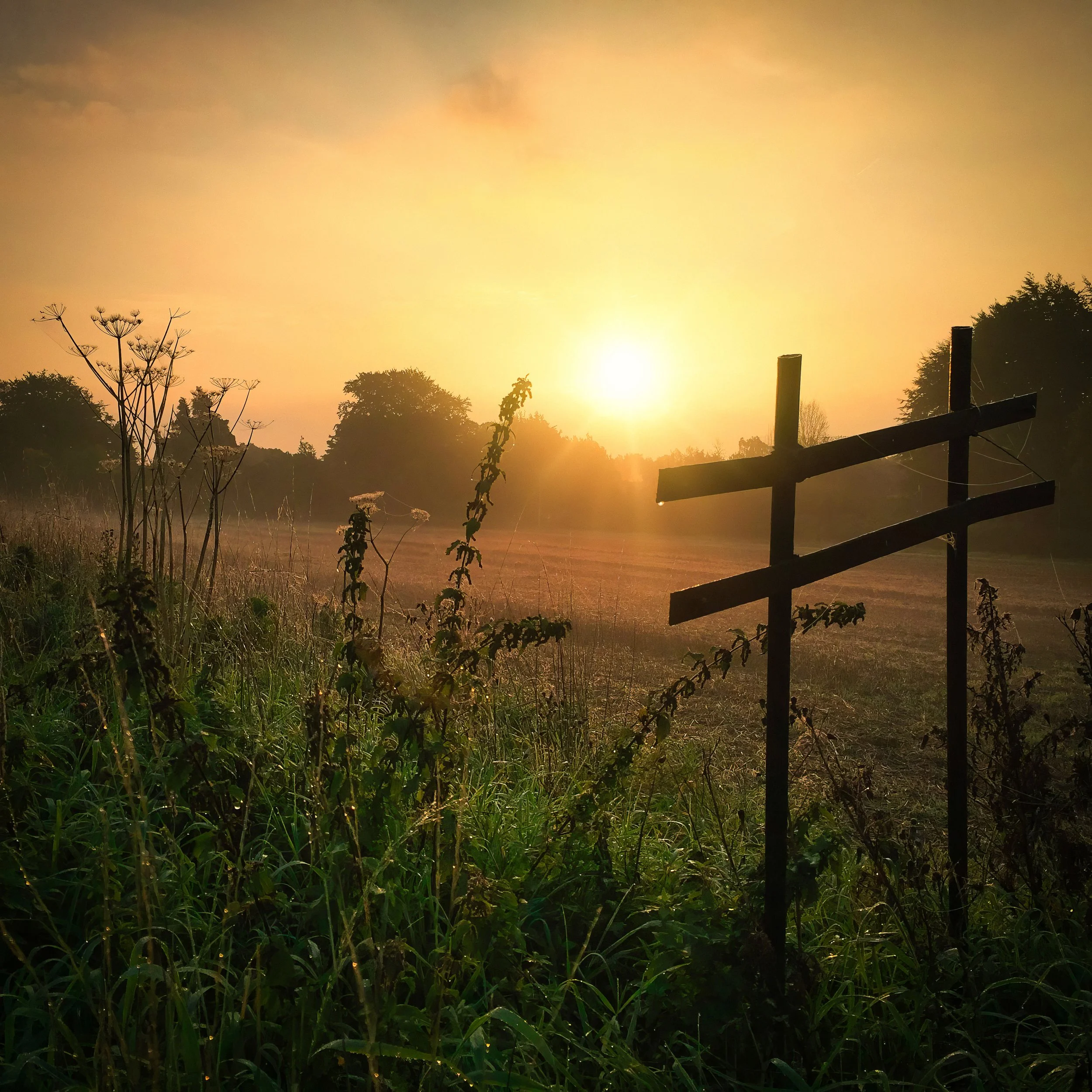
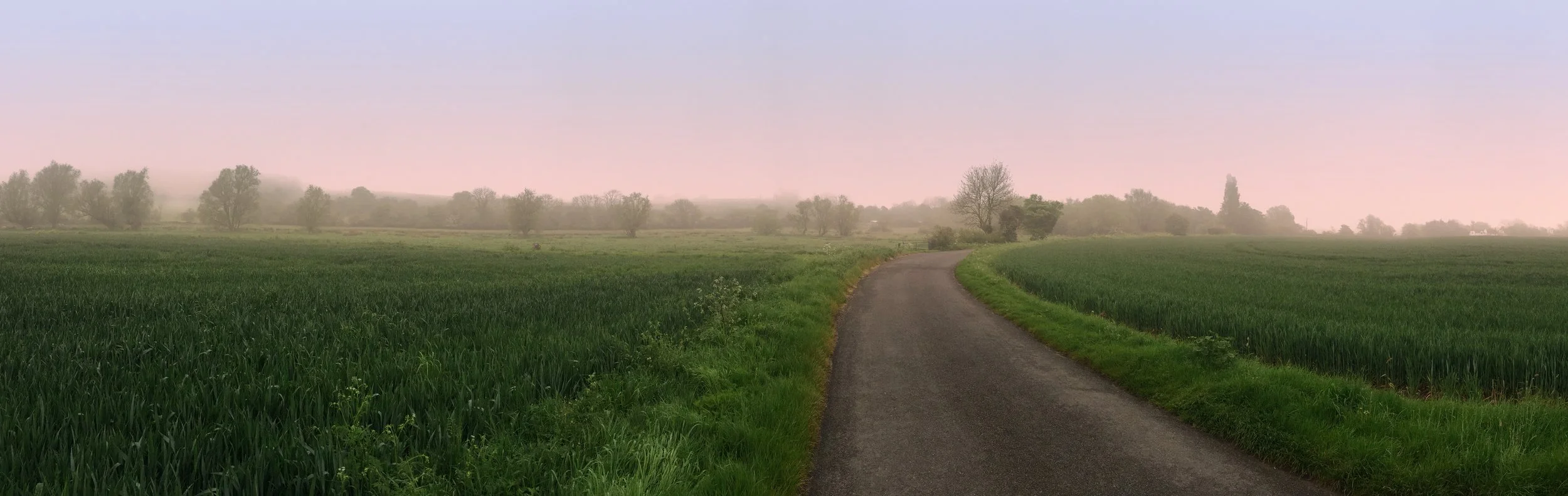
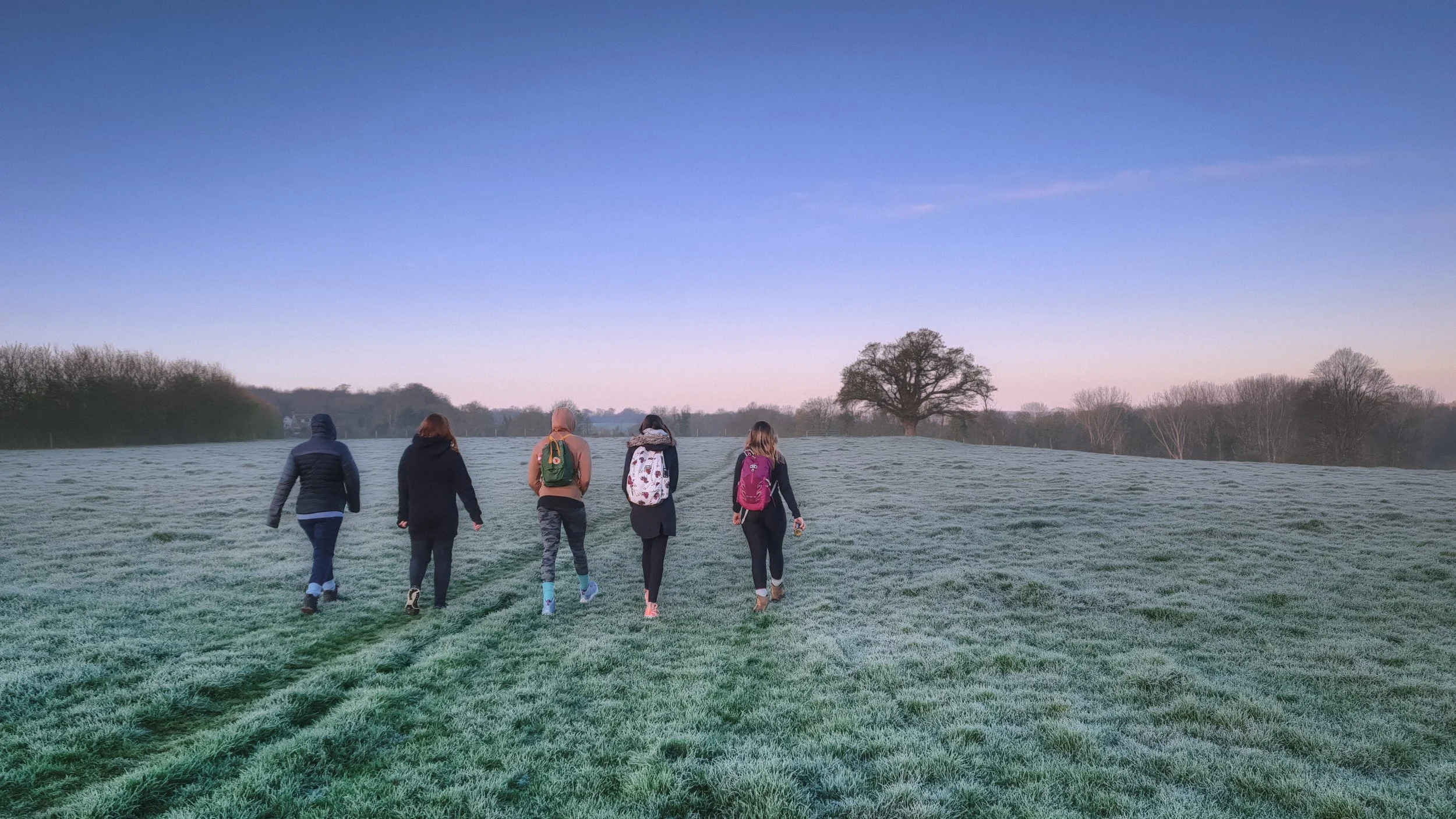
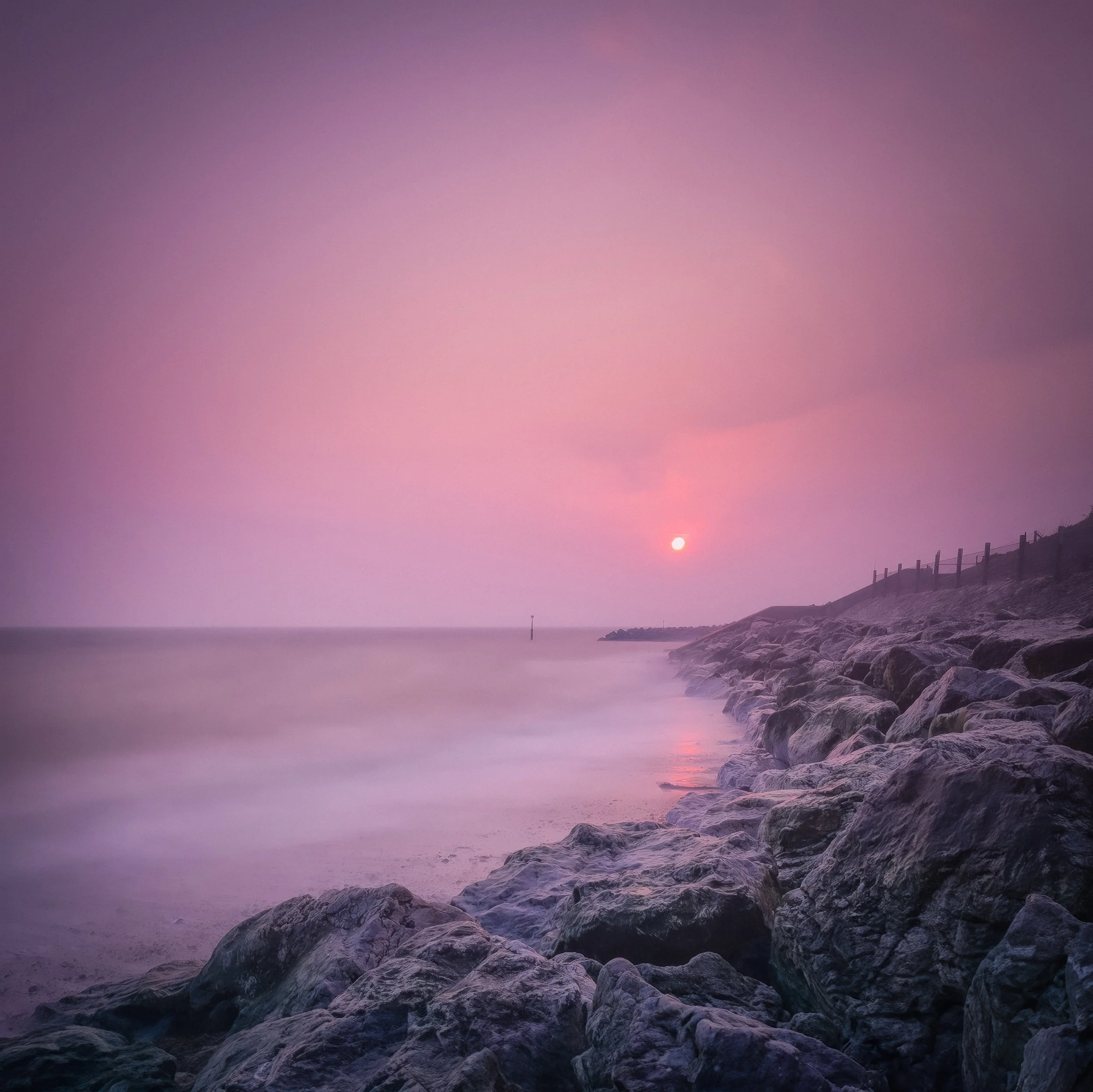
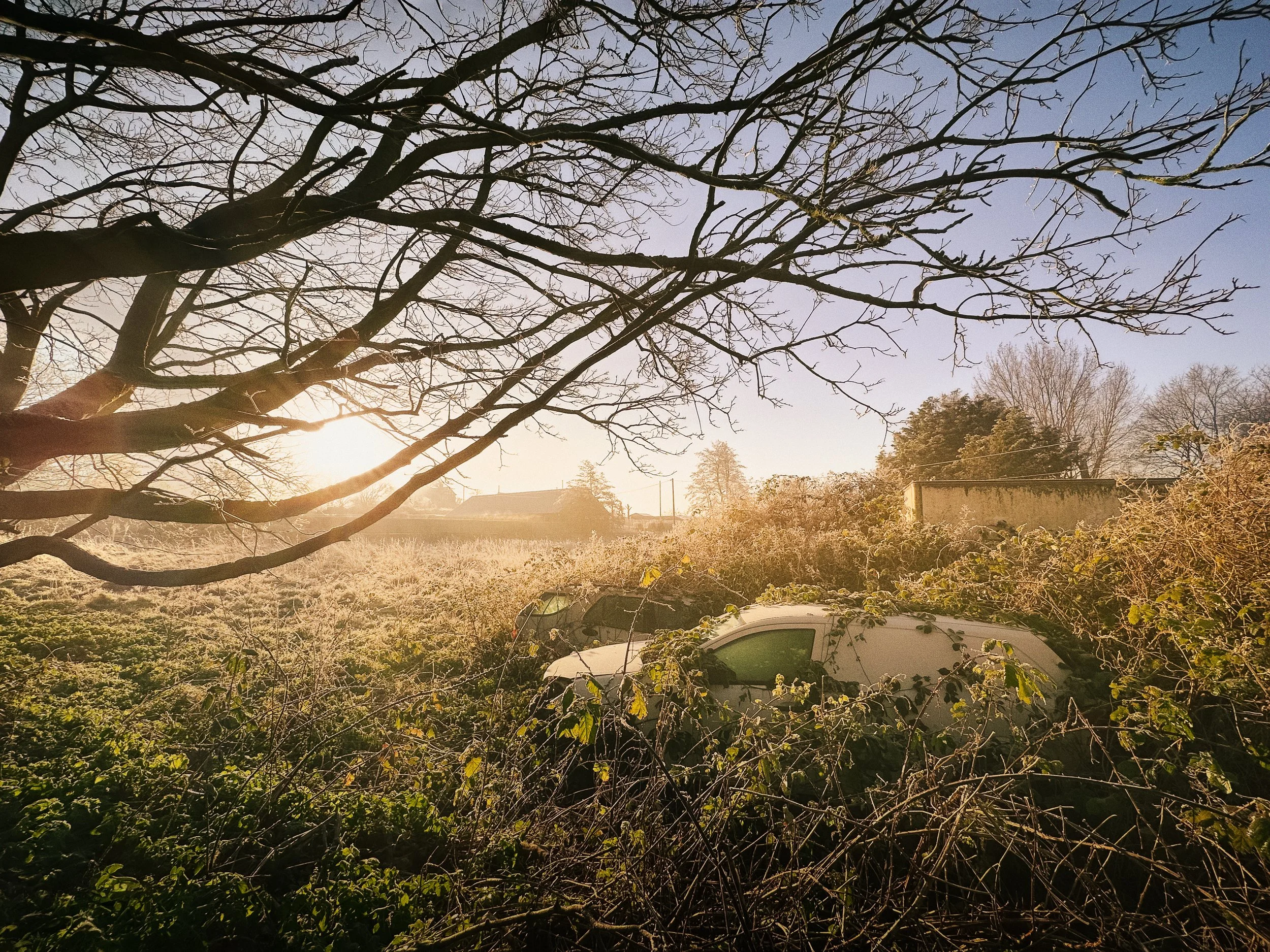
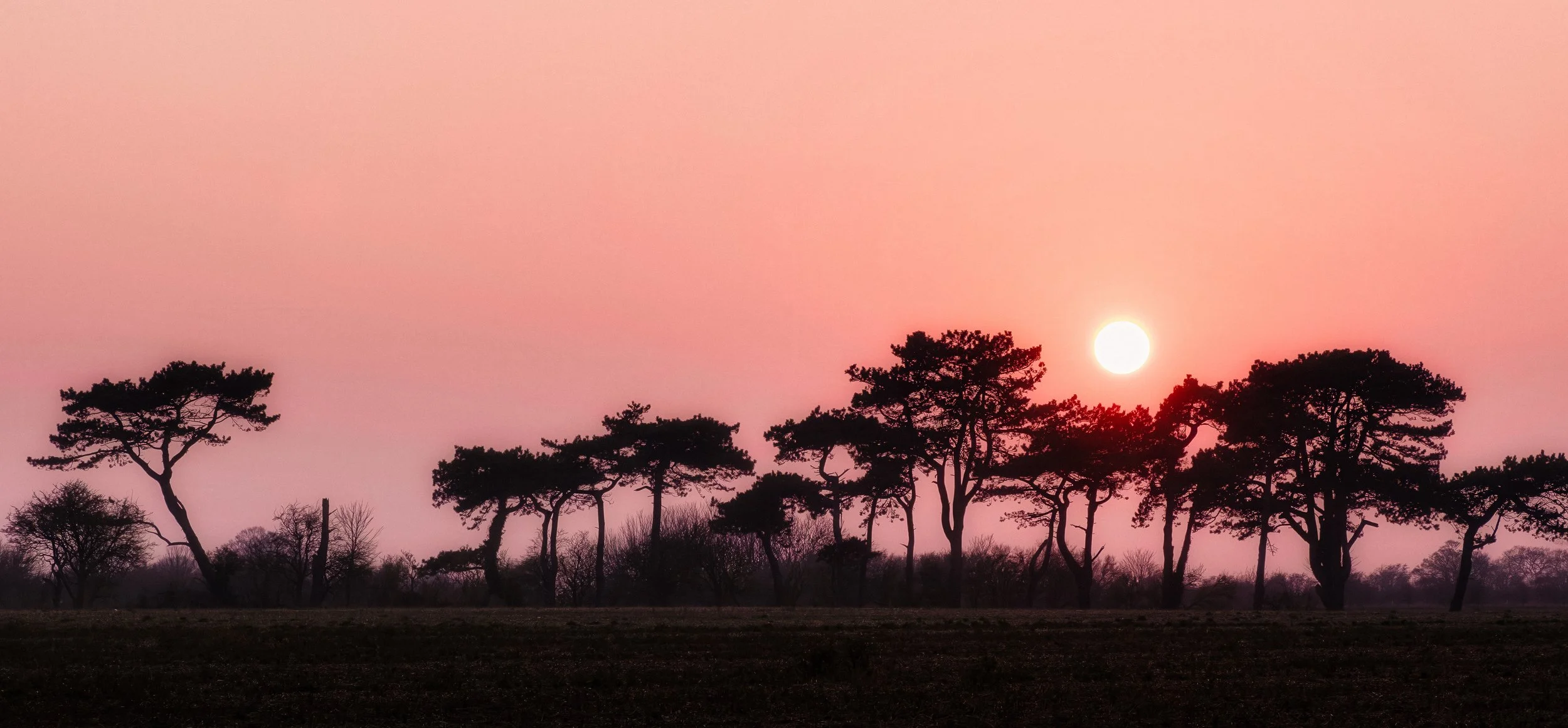
Both morning and evening golden hours share the same underlying physics, but they are reliably different in character. Morning air is generally cleaner: overnight, airborne particulates and pollutants settle, the atmosphere is cooler, and haze is at its daily minimum. Morning golden hour light tends to be slightly cooler in tone than its evening equivalent, and clearer — there is less between you and the subject.
Evening air carries the day's accumulated pollution and particulates, which add their own scattering effect to the Rayleigh scattering described above. On some evenings this produces spectacular, heavily saturated reds and oranges; on others it simply adds a warm haze that reduces overall clarity.
Morning photographers are sometimes rewarded with a quality of light — clean, slightly cooler gold — that is genuinely different from anything the evening produces. Neither is categorically superior. They are different, and it is worth knowing which you prefer for a given subject.
The Twilight Sequence
The golden hour is one part of a longer transition that photographers often miss because they leave after sunset. Understanding the full sequence changes how you plan your time.
The Stages of Twilight
Astronomers and navigators divide the period after sunset (and before sunrise) into three stages, defined by the sun's angle below the horizon:
Civil twilight runs while the sun is between 0° and 6° below the horizon. There is enough ambient light for most outdoor activities without artificial illumination. The sky retains significant colour. This is the period that contains the blue hour.
Nautical twilight runs while the sun is between 6° and 12° below the horizon. The horizon is still faintly visible; the name comes from its historical use in celestial navigation, when sailors could still see the horizon against a darkening sky.
Astronomical twilight runs while the sun is between 12° and 18° below the horizon. Stars are clearly visible; the sky is close to fully dark. Photographers interested in astrophotography should wait until the end of astronomical twilight before shooting the Milky Way.
The Blue Hour
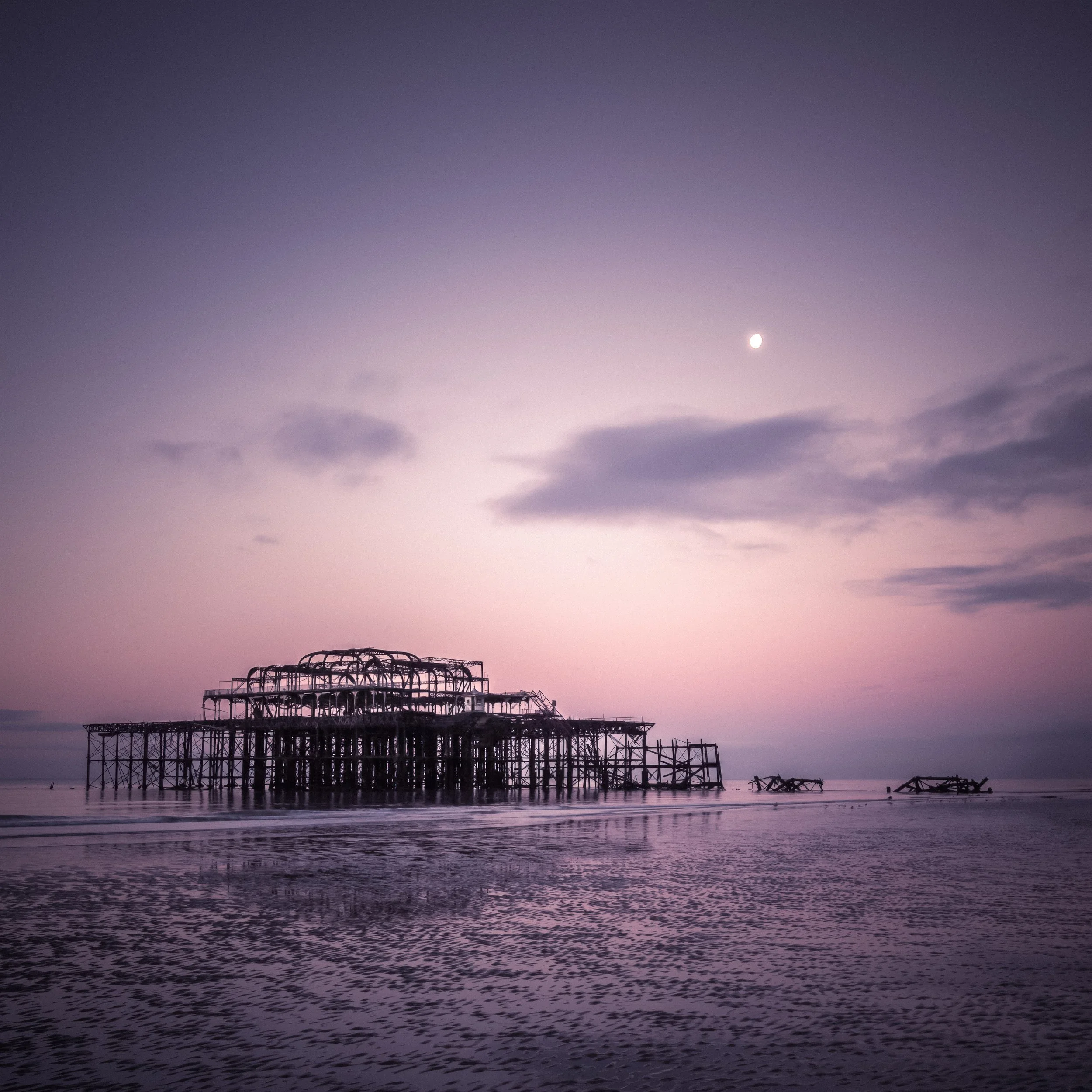
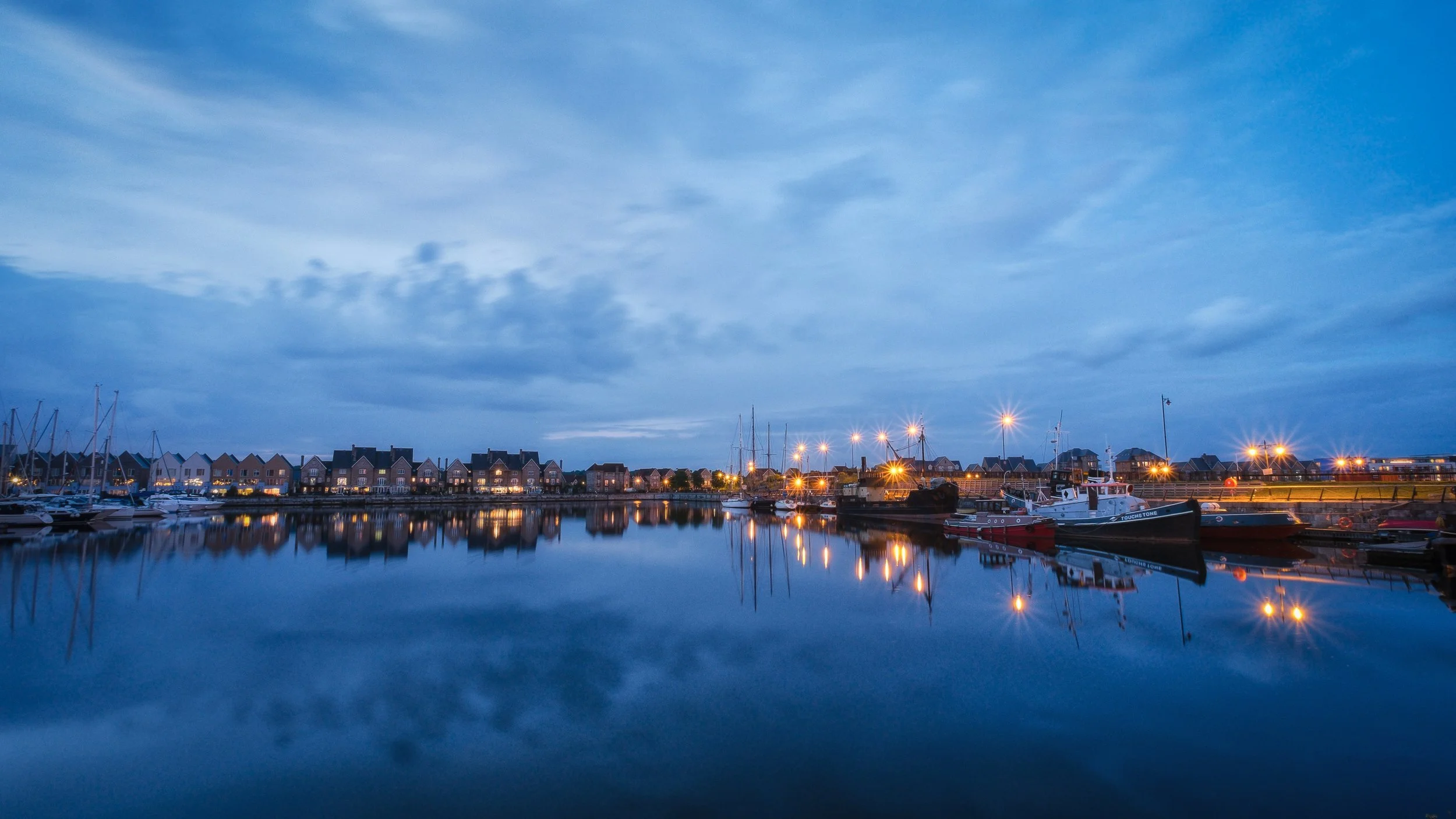
Immediately after sunset — and immediately before sunrise — civil twilight produces one of the most distinctive and underused lighting conditions available to photographers. The sun is below the horizon, but its light continues to scatter in the upper atmosphere, illuminating the sky from below with a deep blue or blue-violet tone. The mechanism is Rayleigh scattering without any direct solar illumination reaching the observer: only the scattered residue of light in the atmosphere reaches you, and the wavelengths that survive that journey are predominantly at the blue-violet end of the spectrum.
The blue hour is, in a sense, the photographic inverse of the golden hour. Where golden hour is warm, directional, and saturated with red and orange, the blue hour is cool, soft, and uniformly blue. There are no harsh shadows — the light comes from the sky as a whole, not from a single low source. The entire sky glows.
Here is the thing most photographers miss: the blue hour begins when the golden hour ends. If you leave at sunset, you leave before it starts.
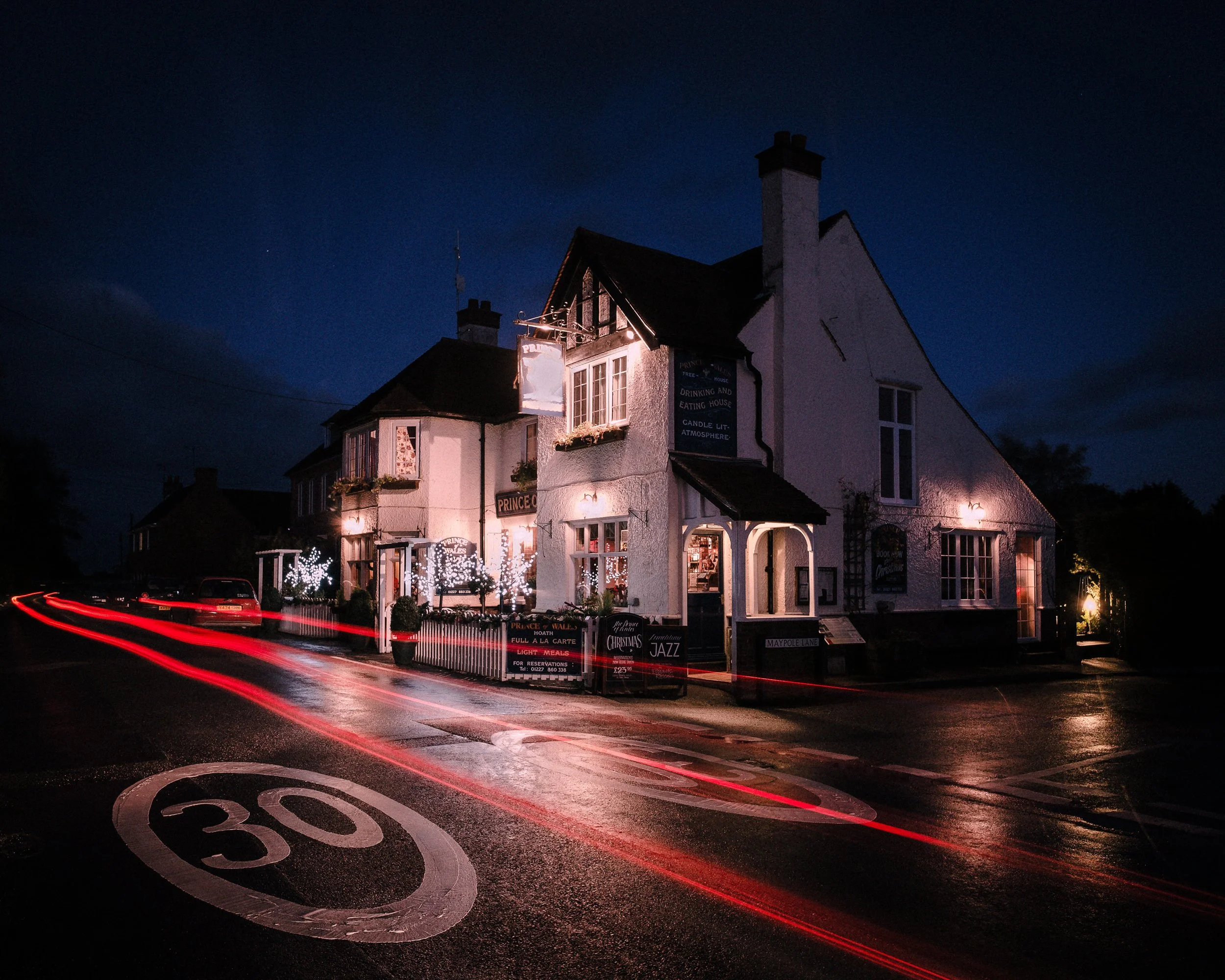
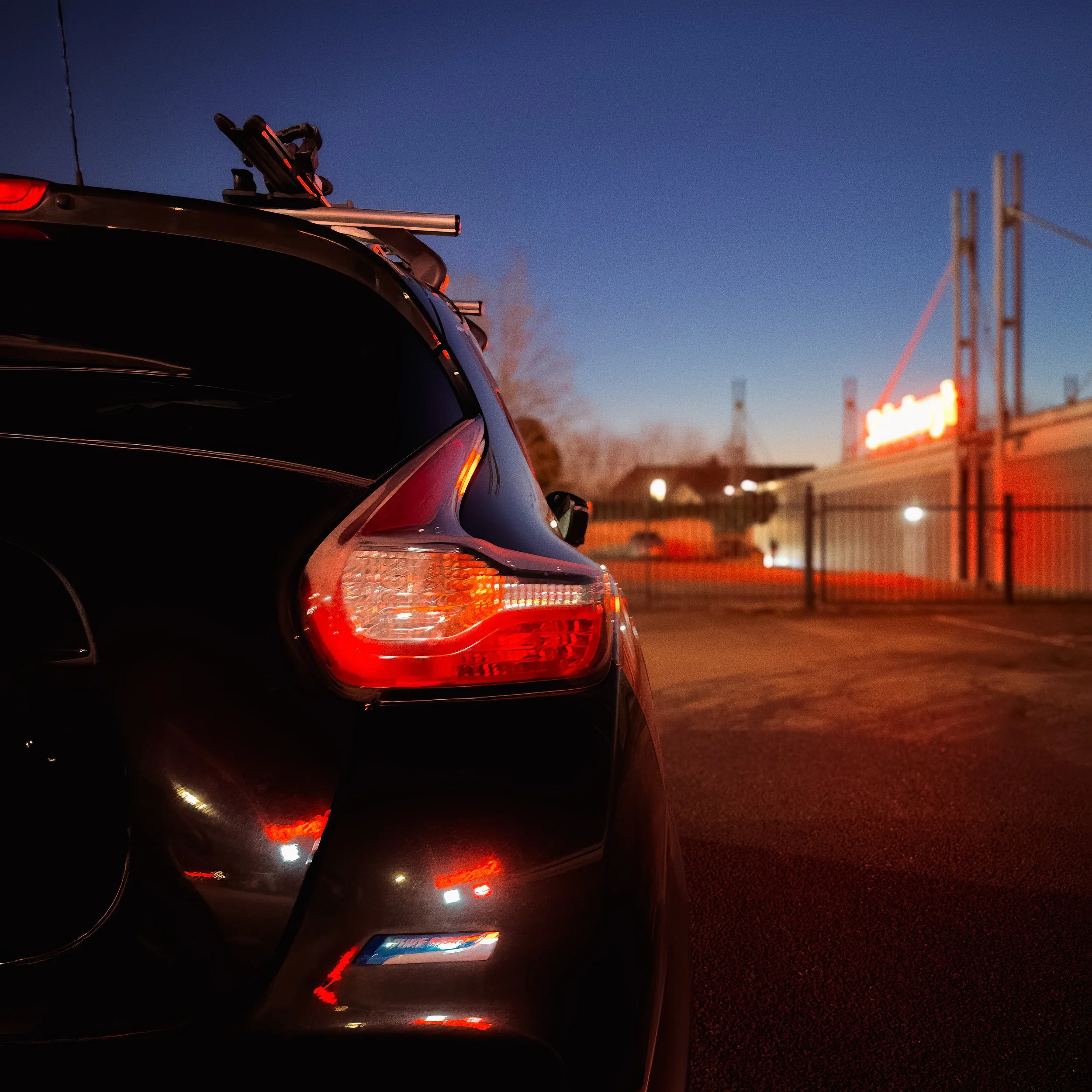
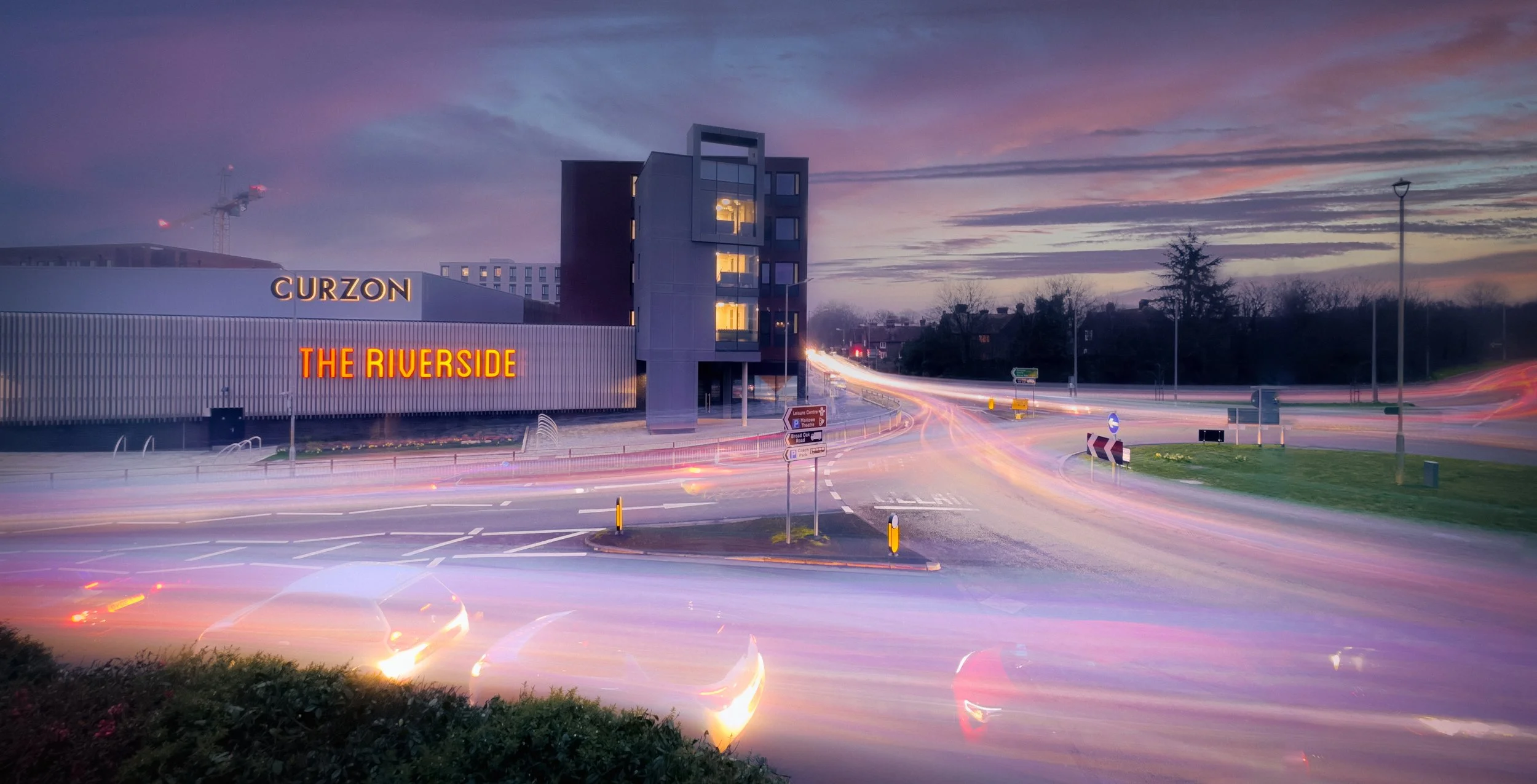
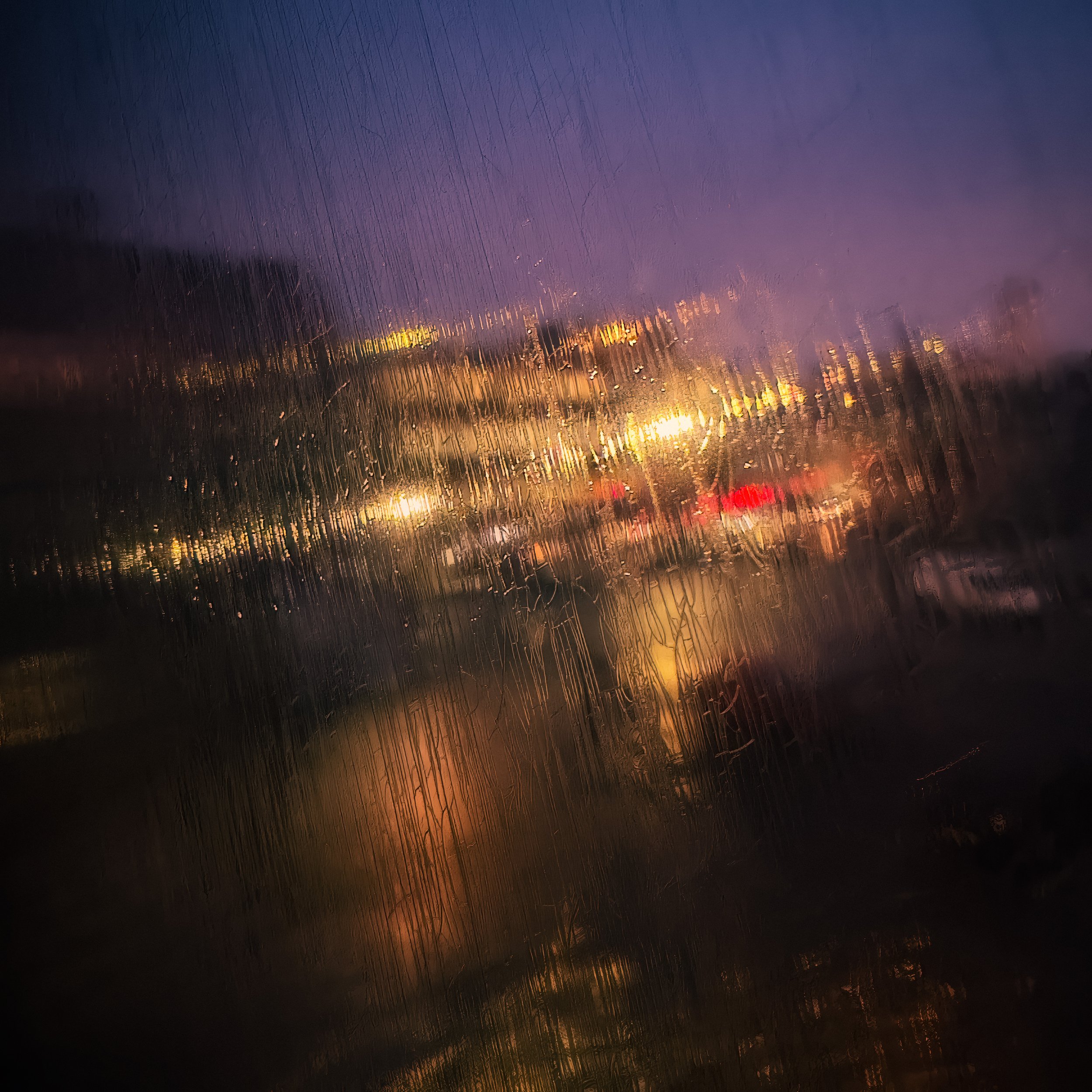
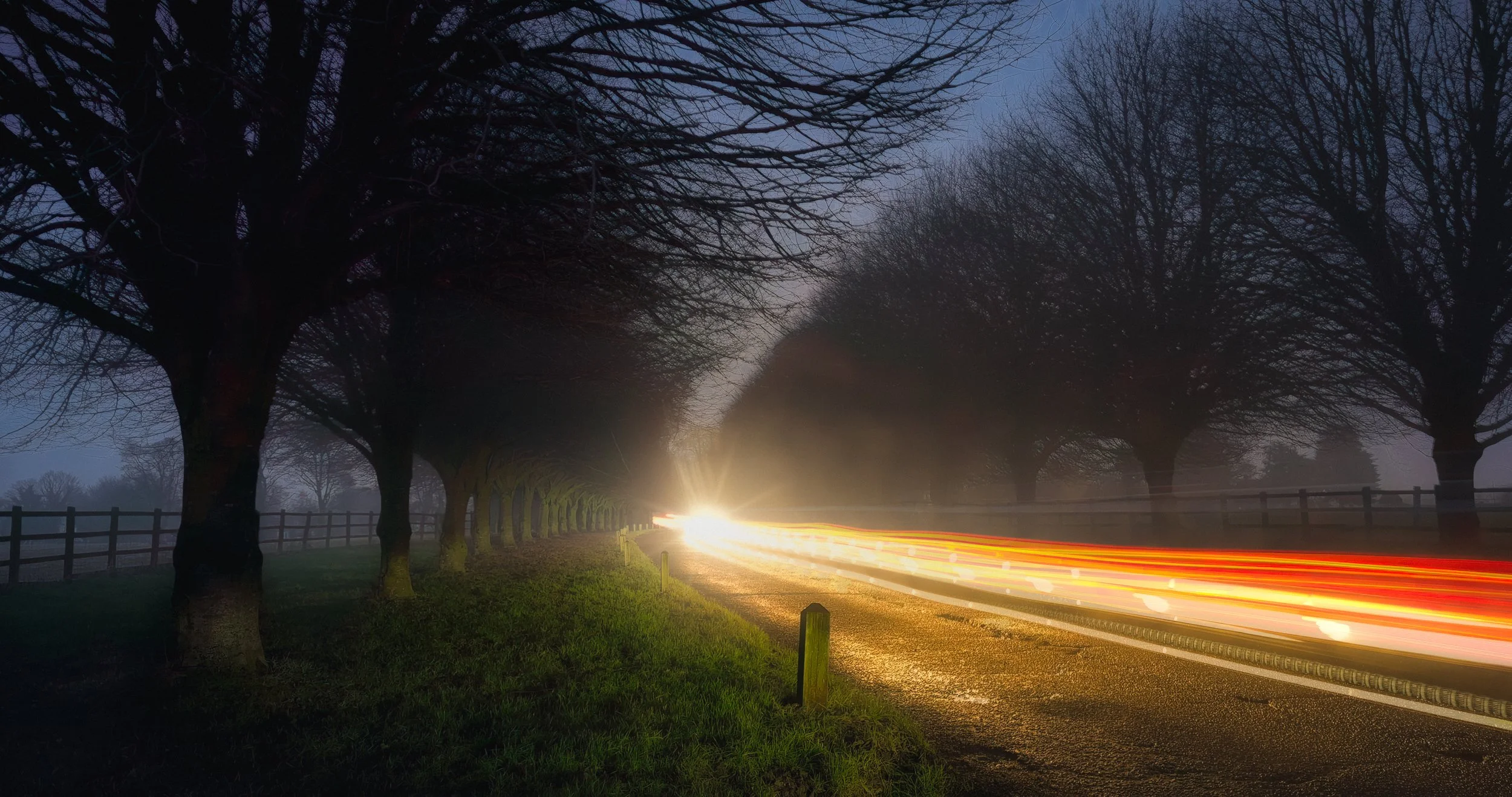
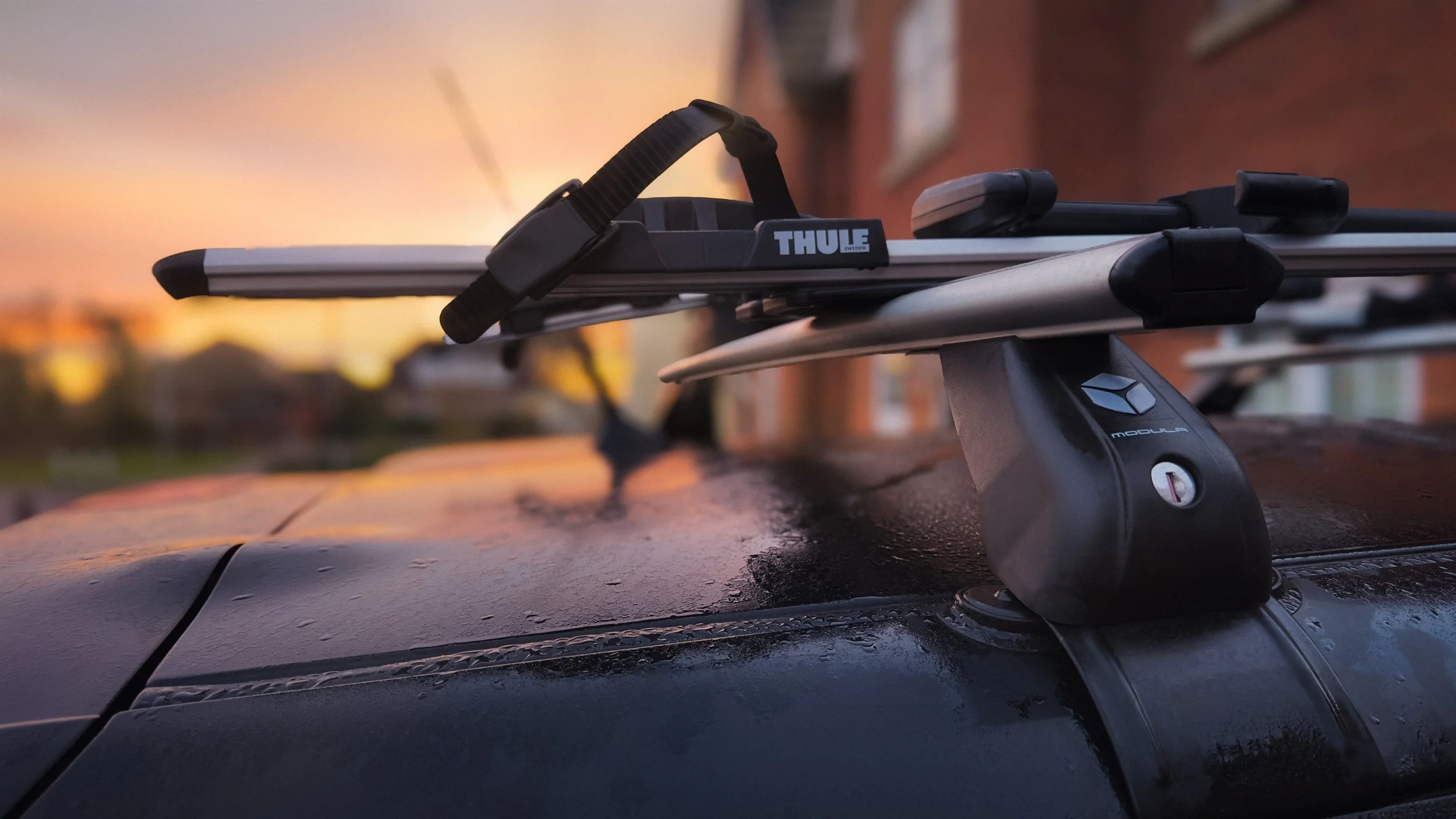
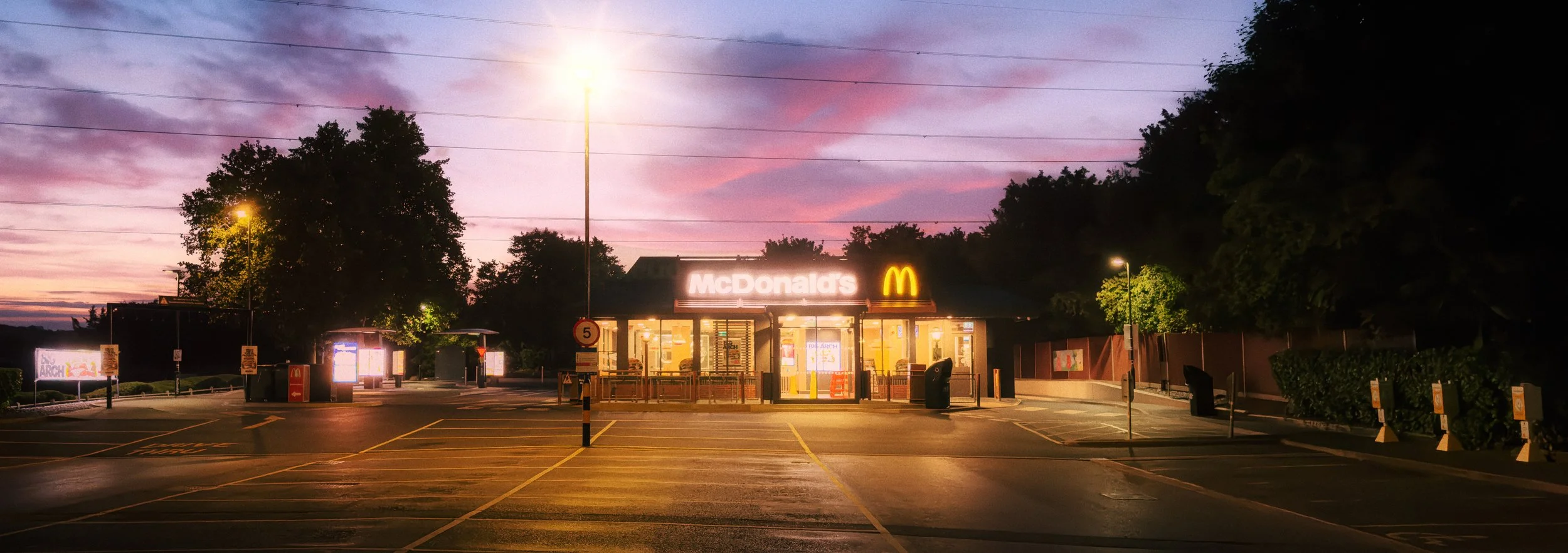
The practical significance of the blue hour for urban and architectural photography is considerable. As the sky darkens through civil twilight, artificial lights — streetlamps, illuminated shop windows, lit buildings, headlights — gradually become bright enough to register on a camera sensor, while the sky retains enough residual light to remain blue rather than turning black.
For approximately fifteen to twenty minutes, the balance between ambient sky light and artificial sources is unusually even. Buildings are lit, the sky is still visible, and the scene has a coherence and depth that disappears once full darkness falls and the sky becomes a black void.
Blue hour is, arguably, the single best time for photographing cities, waterfronts, and illuminated architecture — but it requires you to have stayed past the moment when most people pack up and go home.
How Long is Golden Hour, Actually?
The honest answer is: it depends entirely on where you are and what time of year it is.
The sun's angle of approach to the horizon varies with latitude. At the equator, the sun rises and sets steeply — it crosses the 0°–6° elevation band in twenty to twenty-five minutes, and the same is true at sunset. The golden hour at the equator lasts roughly twenty minutes, twice a day, every day of the year.
At higher latitudes, the sun's path through the sky becomes more oblique — it approaches the horizon at a shallower angle and takes longer to descend through the same angular range. In London (51° N), golden hour in summer runs to around sixty to ninety minutes; in winter, when the sun barely rises above the horizon at its peak, the entire day can take on golden-hour qualities as the sun grazes the horizon throughout the short afternoon.
At the Arctic Circle and beyond, the effect is taken to its logical conclusion. In midsummer, around the solstice, the sun barely dips below the horizon at all: in Iceland and northern Norway, the "golden hour" runs continuously from the previous evening's sunset through to the next morning's sunrise. Photographers make dedicated journeys for precisely this reason — several unbroken hours of golden light, night after night, is a condition unavailable anywhere else on Earth.
The practical lesson: in London, you have reasonable time to work. In Singapore or Nairobi, you do not. Know your latitude and plan accordingly.
The History of Golden Light
The quality of low-angle light was recognised as aesthetically special long before photography existed. What photography inherited was not a discovery but a tradition — a fully formed visual language developed over two centuries of painting.
Claude Lorrain and the Claudian Ideal
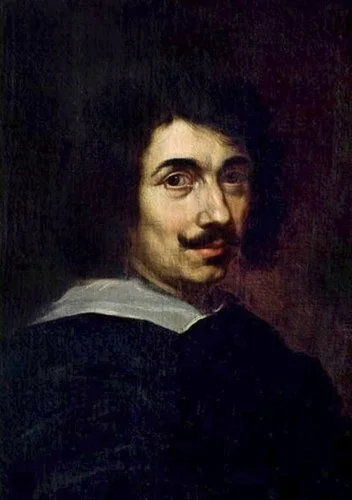
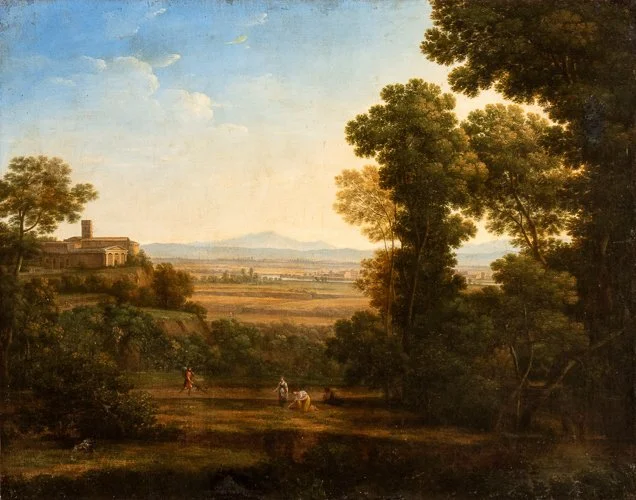
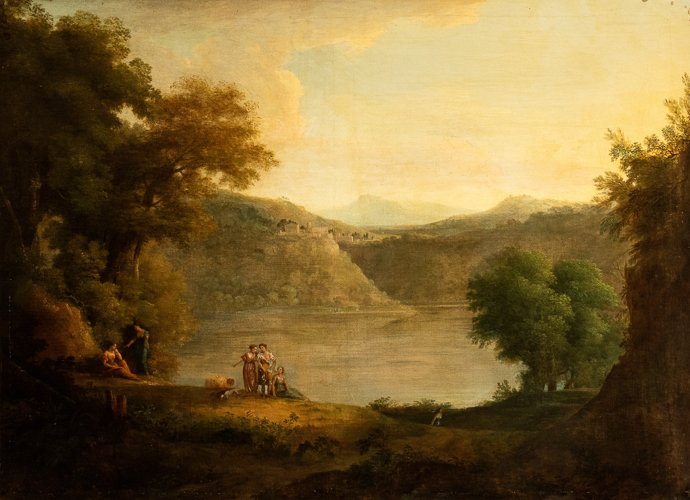
Claude Lorrain (c. 1600–1682) — a French painter who worked almost entirely in Rome — was perhaps the first artist to make the light at sunrise and sunset a systematic subject of study. His harbour and landscape scenes are specifically constructed to capture the direction, warmth, and quality of low sun: classical architecture catching the last rays, figures silhouetted against luminous skies, water surfaces reflecting amber and gold. The light in a Claude painting is not merely a setting; it is the point.
Claude's influence on the aesthetic understanding of landscape was so total that 18th-century travellers and artists carried a specific tool named after him: the Claude glass. This was a small, slightly convex mirror with a darkened, tinted surface. Rather than looking directly at a landscape, the user would turn their back on the scene and observe its reflection in the mirror, which reduced and softened the tonal range and gave the view a painterly, Claudian quality. William Gilpin, an influential 18th-century writer on the picturesque, wrote that the Claude glass gave nature "a soft, mellow tinge like the colouring of that Master."
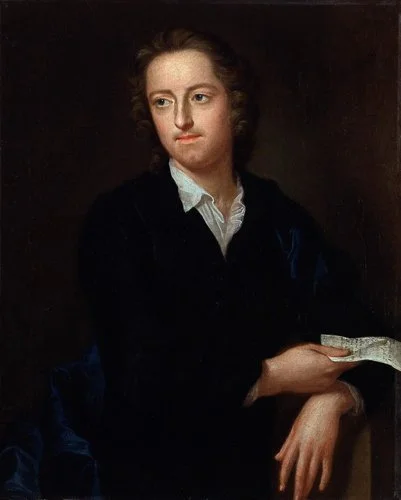
Thomas Gray, who fell backwards into a ditch while using one and broke his knuckles, praised its ability to show "the sun set in all its glory." That artists and connoisseurs were carrying tinted mirrors to evaluate landscapes for their golden-hour qualities, a century and a half before photography was invented, says something about how deeply the preference runs.
Turner and the Expressive Potential of Warm Light
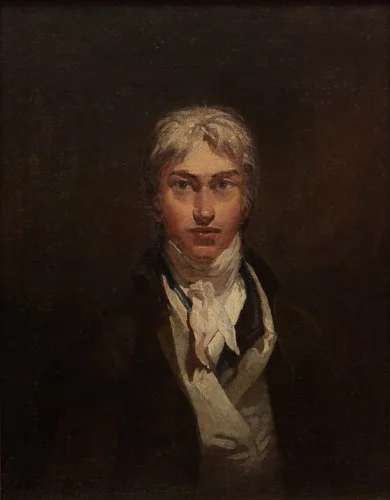
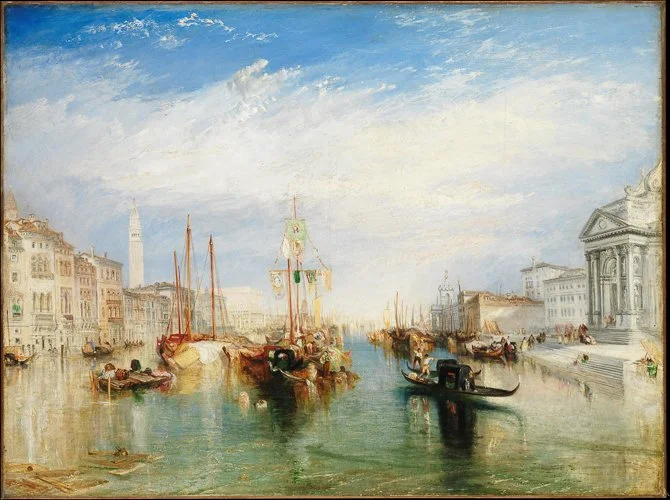
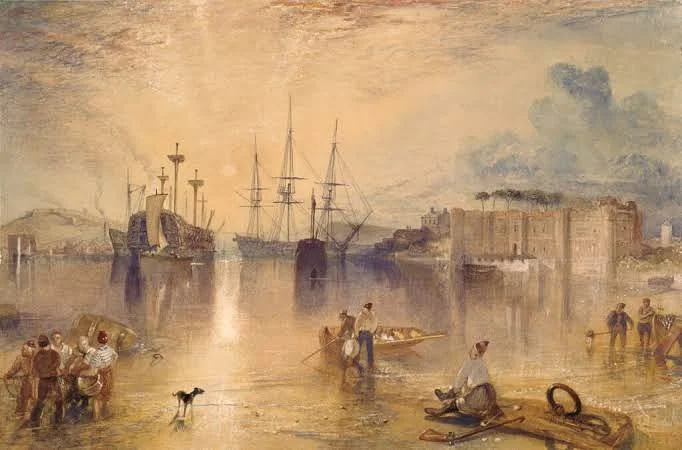
Joseph Mallord William Turner (1775–1851) took the Claudian tradition and pushed it past its limits. His career-long obsession with atmospheric light culminates in paintings that treat golden and amber tones not as a setting but as subject and meaning simultaneously.
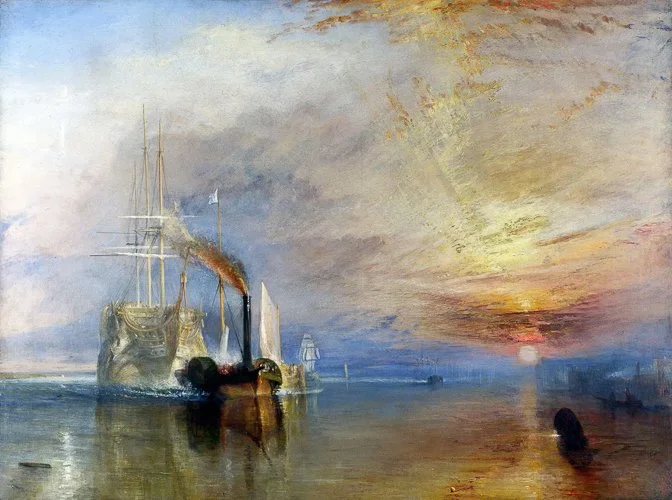
The Fighting Temeraire (1839) — held at the National Gallery, London — is the canonical golden-hour painting in English art. It depicts the veteran warship Temeraire, which had fought at Trafalgar, being towed to the breakers by a small steam tug. Turner sets the scene against a blazing western sunset: the sky is amber, orange, and pink, the river is reflective, the old ship pale and ghostly against the light. Turner was not painting geography — he positioned the sunset to the west even though the scene faces east, because the symbolic weight of the setting sun suited what he wanted to say about the end of the age of sail.
The emotional power of the image depends entirely on the quality of the light, not on the literal accuracy of its direction. This is a lesson that photographers can carry: warm, low light is not neutral. It carries associations — endings, memory, loss, beauty under threat — that are available to be used.
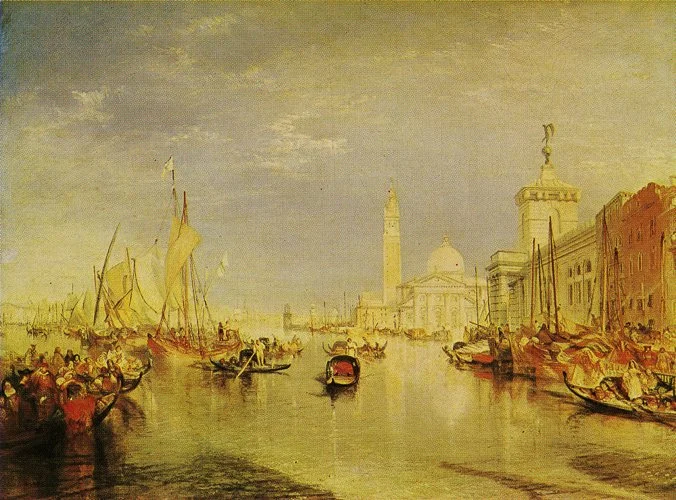
Turner's later work goes further still. The Venetian studies dissolve form into light almost completely; Rain, Steam and Speed (1844) finds the same atmospheric intensity in an industrial subject. Turner demonstrated that golden-hour light could carry an entire painting's expressive weight — that the warmth itself is a kind of meaning.
Corot and the Barbizon Painters
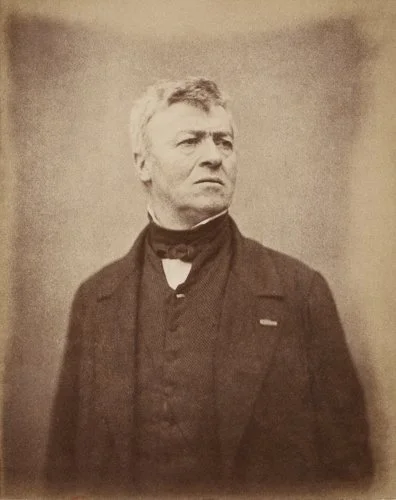
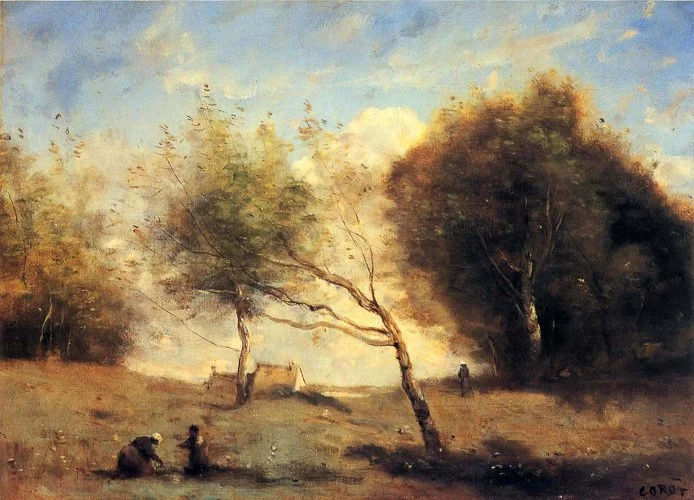
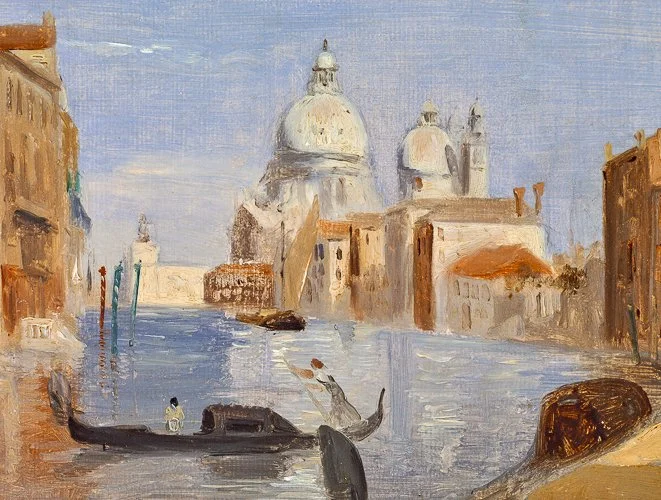
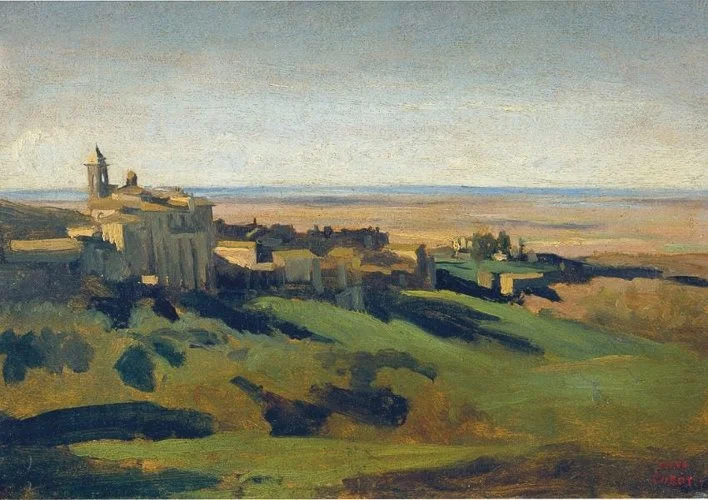
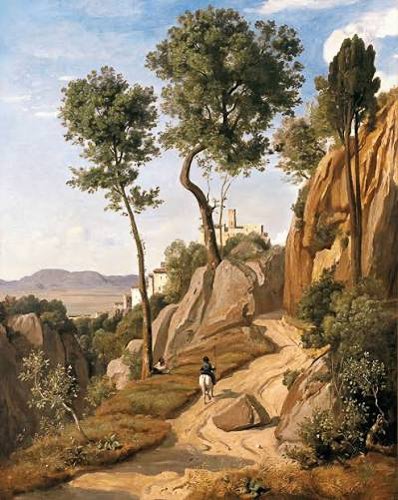
Jean-Baptiste-Camille Corot (1796–1875) and the Barbizon school worked in the open air specifically to study natural light as it changed through the day. Corot's morning landscapes — silvery, soft, often misted — and his later evening landscapes — warmer, more romantic, amber-tinged — reflect a sophisticated understanding of the different qualities of early and late light that comes from sustained outdoor observation rather than studio convention.
The Barbizon painters' practice of plein air painting, of treating natural light as a changing phenomenon worth studying in real time, passed directly to the Impressionists and, through them, to the aesthetic language of colour photography. When photographers began making colour images in the 20th century, they were working within a visual tradition that had been developing since Lorrain — a tradition that treated golden-hour light as inherently significant, inherently compositionally rich, and inherently worth making the effort for.
The Pictorialists : Photography's First Golden-Hour Aesthetic
When photography began to emerge as an artistic medium in the second half of the 19th century, the Pictorialist movement — which sought to elevate photography to the status of art by making it look more like painting — brought this inherited tradition with it. Henry Peach Robinson's soft-focus compositions, Alfred Stieglitz's early platinum prints, and Edward Steichen's gum bichromate work all demonstrate a deliberate awareness of low-angle light as an artistic tool and a deliberate borrowing from the painterly tradition that preceded photography.
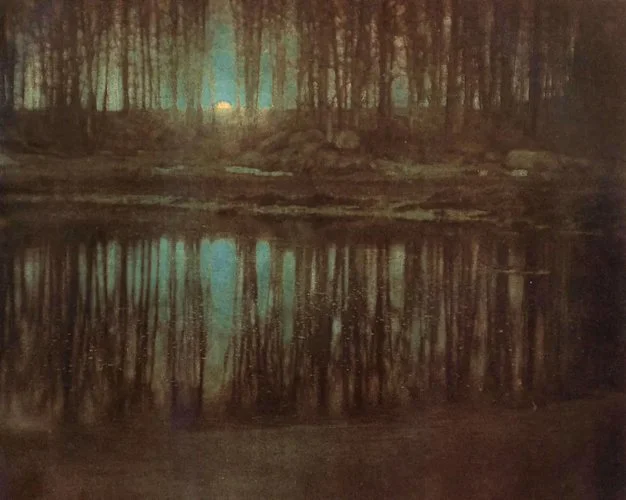
The Pond — Moonlight (1904) is probably the most technically extraordinary Pictorialist example, created by Edward Steichen near Mamaroneck, New York. He used hand-applied photosensitive gums in multiple layers, giving the final print more than one colour. The image shows a forest reflected in a still pond at late evening — essentially a blue-hour photograph, its blue-green sky and deep reflections capturing exactly the light of civil twilight.
Only three prints are known to survive, each unique because of the hand-application technique. One sold at auction in 2006 for US$2.9 million — at the time the highest price ever paid for a photograph. The image itself is a demonstration of what the light of the hour after sunset can do when treated with absolute technical seriousness.
Colour Photography's Golden Hour
Early photographic history is largely one of black-and-white photography and monochrome printing, where golden-hour light appears as tone and texture rather than colour. The photographic tradition of specifically pursuing golden hour as a colour event begins, properly, with the emergence of colour photography as a fine art medium in the mid-20th century — and its central figure is Ernst Haas.



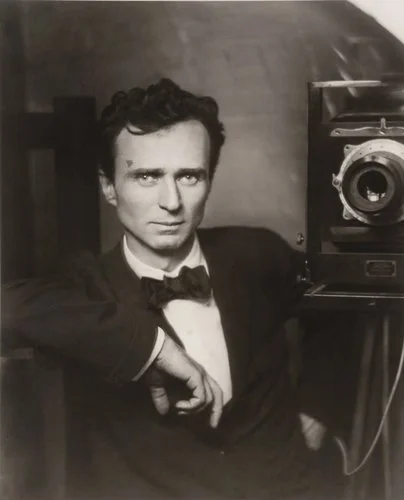
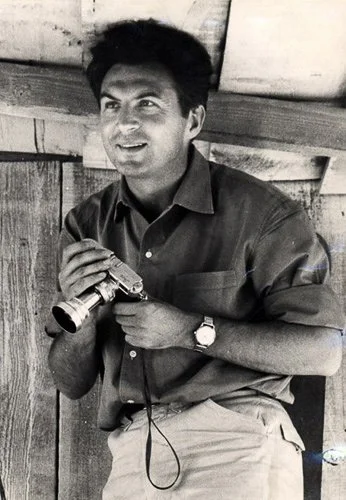
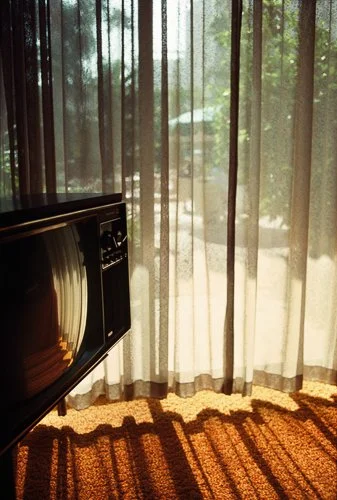
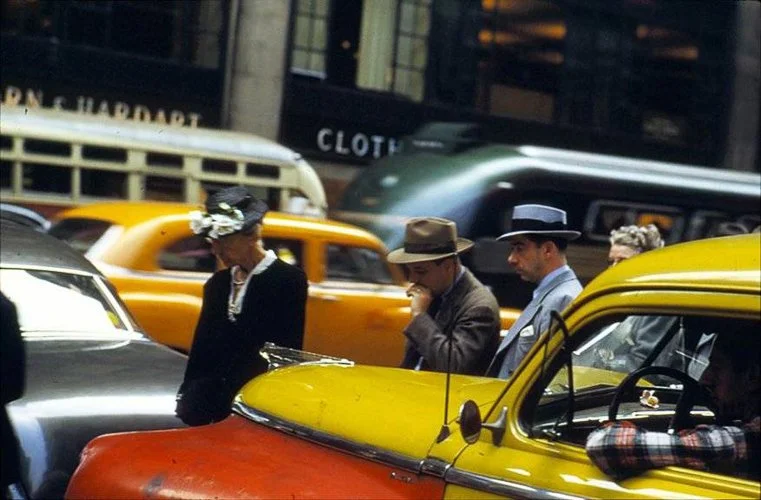
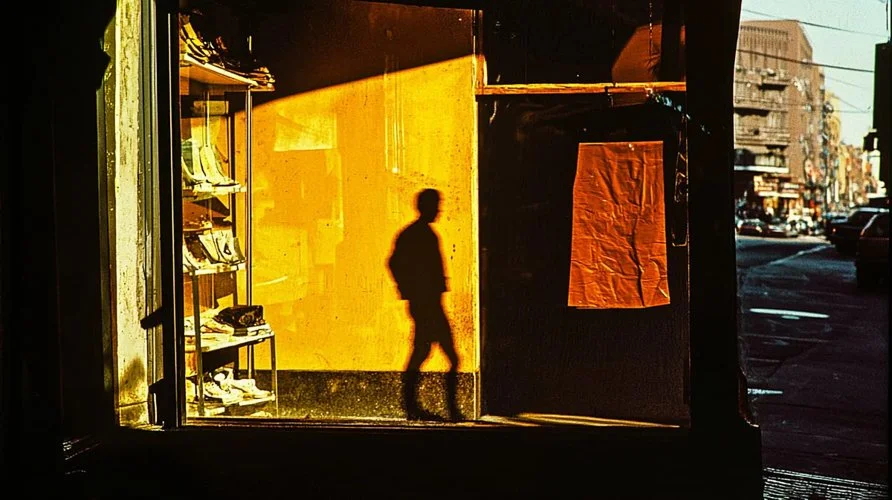

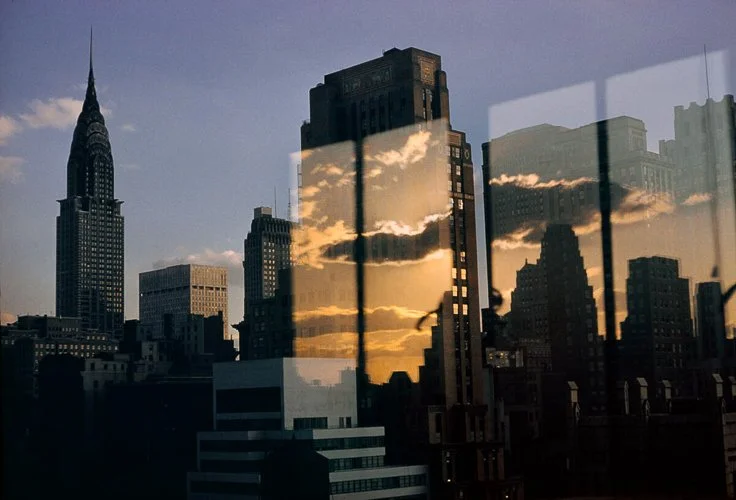
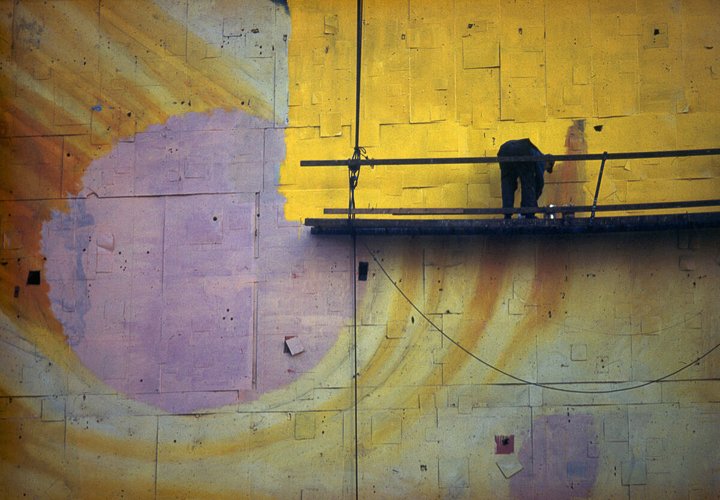
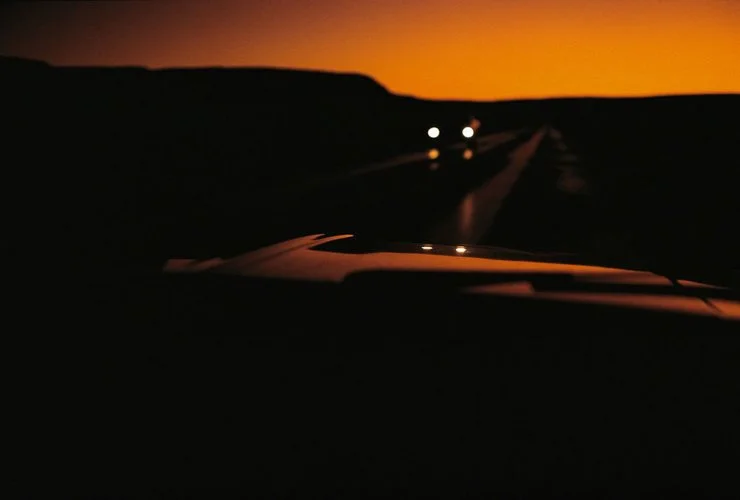
Ernst Haas (1921–1986) was Austrian-American, trained as a photojournalist, and one of the first photographers to see colour film not as a technical medium for recording colour facts but as an expressive material in its own right. He worked primarily on Kodachrome — a film stock celebrated for its richness and saturation — and used the dye transfer printing process whenever print quality mattered, a process that intensifies colour further still.
In 1962, the Museum of Modern Art mounted a solo retrospective of a decade of Haas's colour work: Ernst Haas: Color Photography. It was MoMA's first solo-artist retrospective dedicated to colour photography. His book The Creation (1971), organised as a visual sequence of the natural world, sold more than 350,000 copies — one of the best-selling photography books in history. His street photography of New York, his motion studies, and his travel work all share a quality of treating warm, saturated light as a primary compositional element rather than a condition to be worked around.
Haas was not primarily a landscape photographer in the conventional sense, but his work demonstrates something important: that the warmth and saturation of golden-hour light rewards colour photography specifically. In monochrome, warm light shows up as tone; in well-exposed Kodachrome, it shows up as colour, and the experience of a Haas print is inseparable from that warmth. If Ernst Haas is not the central figure in the history of golden-hour colour photography, it is hard to identify who else would be.
The Cinema & the Magic Hour
Cinematographers working independently from photographers came to exactly the same understanding of golden-hour light and gave it their own name: the "magic hour." The canonical example is Terrence Malick's Days of Heaven (1978), photographed by Néstor Almendros (with Haskell Wexler completing the shoot after Almendros had to leave for another commitment).
Malick, who wanted to avoid artificial lighting entirely, restructured his production schedule around the available magic hour light. Almendros described the process in his autobiography: the crew would rehearse through the middle of the day, lay dolly track, plan camera moves, and wait. "As soon as the sun set," he wrote, "we had to shoot quickly, not losing a moment." The magic hour, he observed, was an "optimistic euphemism — it's not an hour but around 25 minutes at the most." In the long summer evenings of Alberta — where the film was actually shot, despite being set in Texas — they had something closer to forty minutes, which was considered luxurious. "The sky has light, but there is no actual sun," Almendros said. "The light is very soft, and there is something magic about it. It gave some kind of magic look, a beauty and romanticism."
The film was shot in backlight — subjects against the sun, often silhouetted, rim-lit, edged with golden fire. The technique extended into the blue hour: Almendros would keep shooting well after the light meter stopped registering anything useful, pulling the warming filter (which was eating a full stop of light) to gain extra exposure time, and the result was images of extraordinary blue depth in which figures appeared as dark shapes against luminous skies.
Days of Heaven won the Academy Award for Best Cinematography in 1979. It is not primarily remembered as a story. It is remembered as a film in which the quality of light is itself the experience.
The cinematographic concept of the magic hour is directly relevant to photographers — not just as historical parallel but as practical reminder. Almendros and Malick made a creative decision to work only in magic-hour light, as a total commitment. Photography allows you to make the same decision. Some practitioners have. Shooting exclusively at golden hour for a year would teach you more about light — what it does, what it does not do, how it changes minute by minute, how weather interacts with it — than almost any other single exercise.
Famous Photographers & the Golden Hour
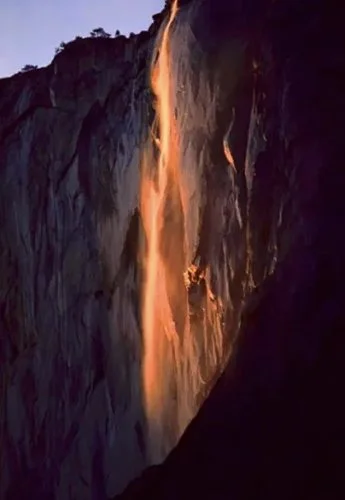
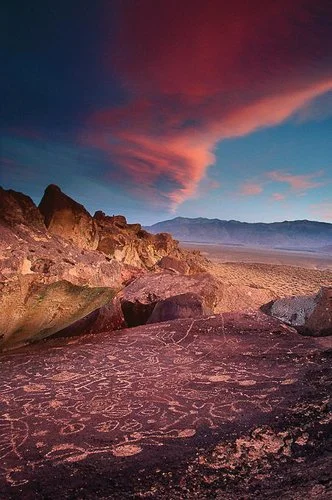
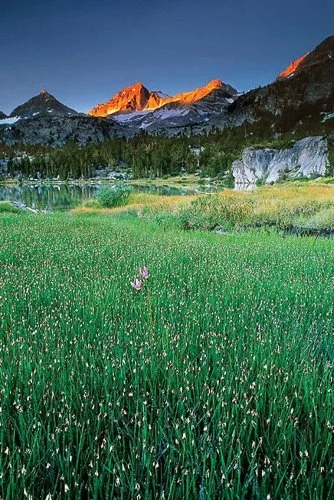
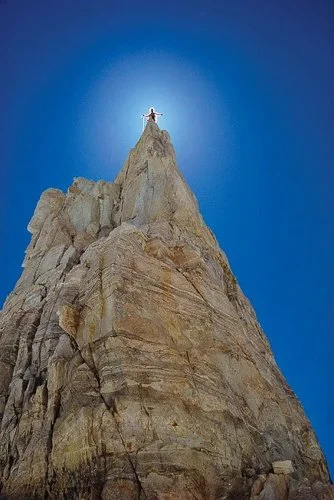
Galen Rowell (1940–2002) was an American adventure and wilderness photographer — a rock climber who used his athleticism to reach positions other photographers could not — and he was, arguably more than anyone, the photographer who systematised the pursuit of golden light in outdoor and landscape work.
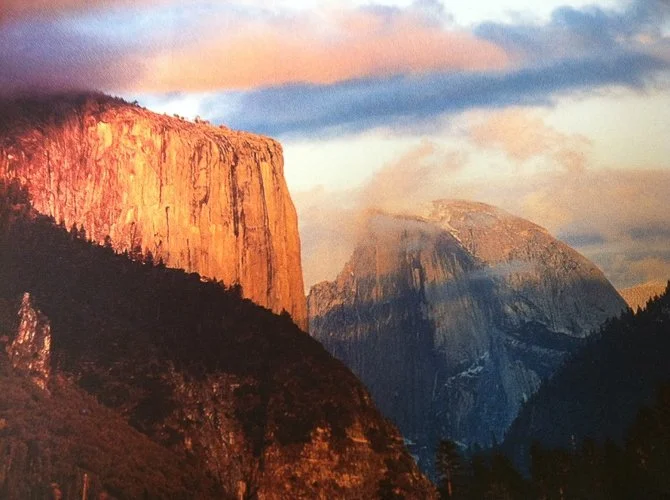
He is associated with a specific phenomenon: alpenglow. This is the warm pink or amber light that illuminates high mountain peaks at sunset and sunrise after the direct sun has left the lower landscape and valley below. It occurs because the peaks are still in the sun's line of sight when the valley floor is already in shadow, and the combination of direct warm light on snow or rock against a deeply blue or violet sky is extraordinary. Rowell photographed it obsessively, and his book Mountain Light: In Search of the Dynamic Landscape (1986) is the classic text on working with natural light in the field.
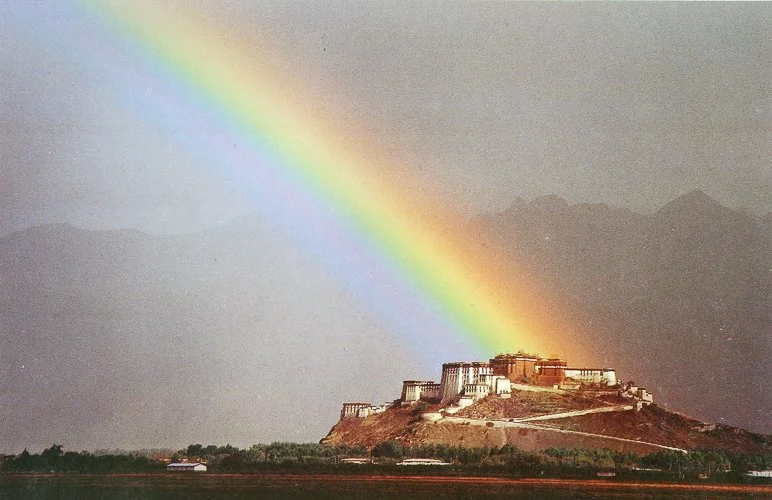
His most celebrated single image is Rainbow Over Potala Palace, made in Lhasa, Tibet, in October 1981. The story of the photograph is the story of Rowell's practice in concentrated form: from the guest house, he saw a rainbow forming over a field in the distance, with the Potala Palace — the traditional home of the Dalai Lama — a mile away.
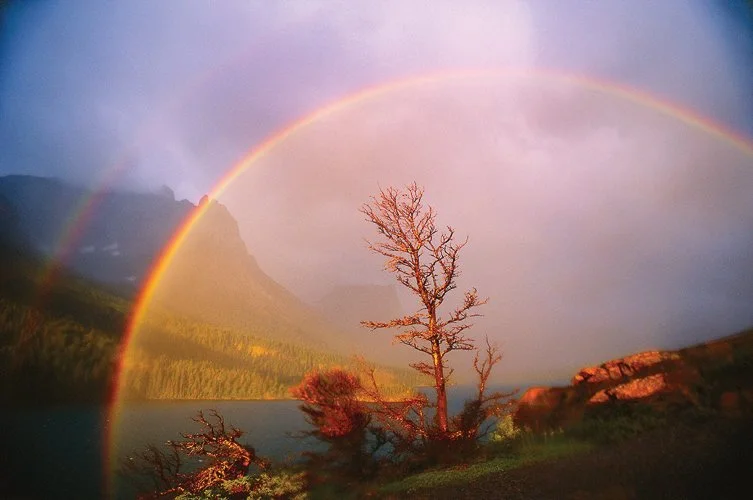
The rainbow was not aligned with the palace from where he stood. He ran. At high altitude (Lhasa sits at approximately 3,650 metres), in thin air, with camera bags, he sprinted across the plain as the rainbow intensified and moved into position. "As if by magic," he wrote in Mountain Light, "a hole opened in the sky, beaming a spot of evening light directly onto the palace." Panting heavily, he fired two rolls of film. The photograph — warm evening light on the palace, a vivid double rainbow arcing above, deep blue storm sky beyond — became one of the most reproduced nature photographs of the late 20th century.
The Potala Palace image was made in the last light of the day. Alpenglow, the golden hour on the mountains, and the accident of the rainbow: these are all elements of the same phenomenon, which is what happens when warm, low-angle light encounters atmospheric conditions that amplify rather than simply deliver it.
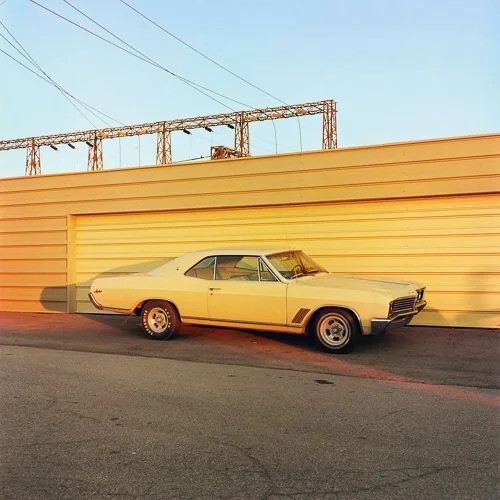
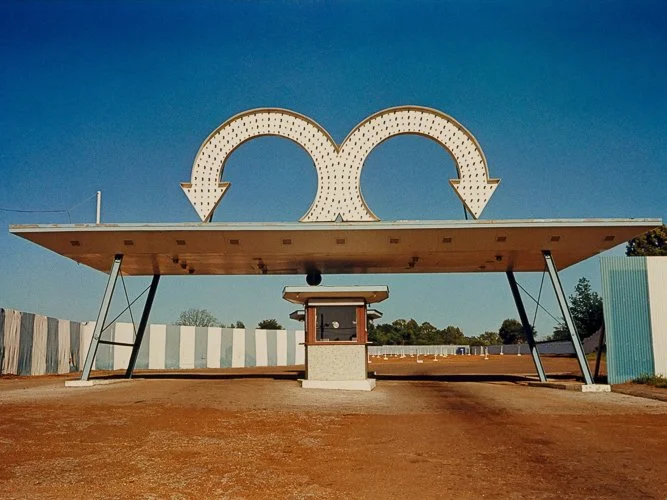
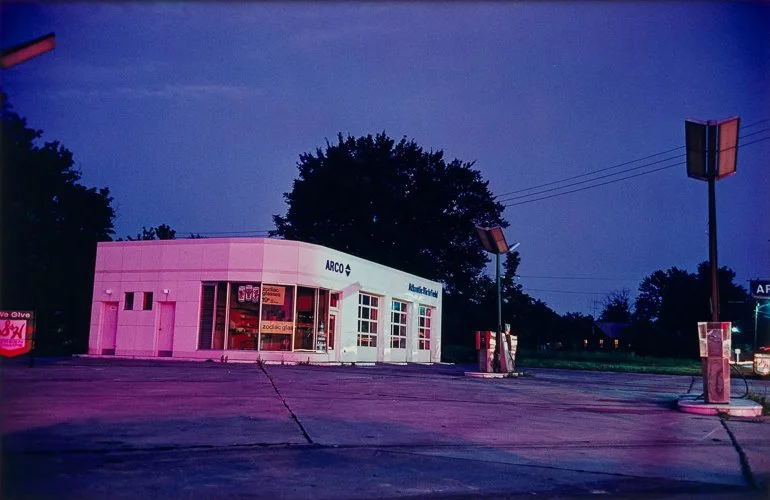
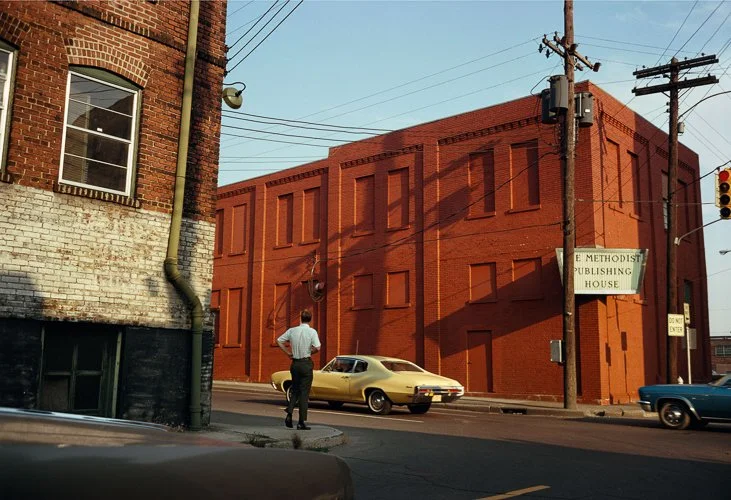
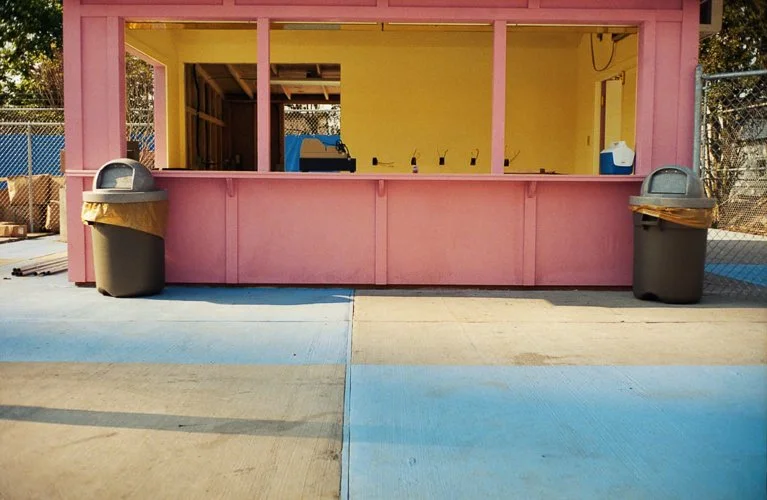
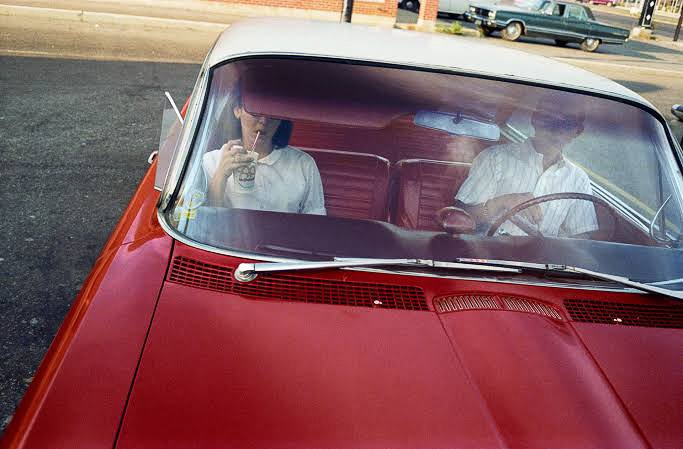
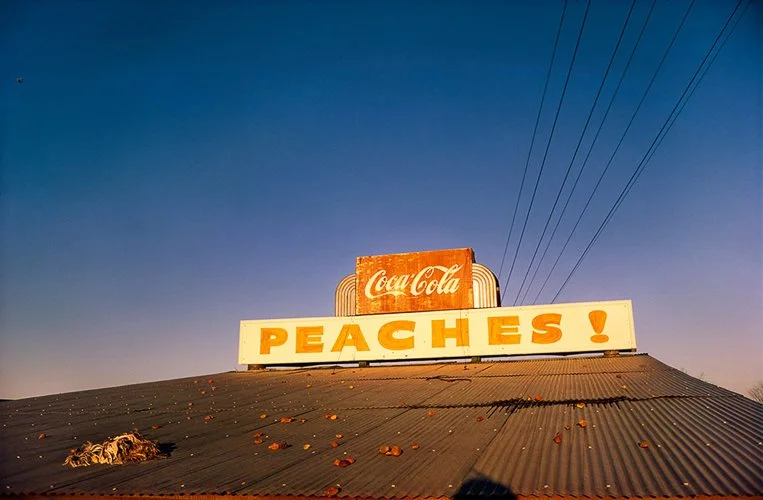
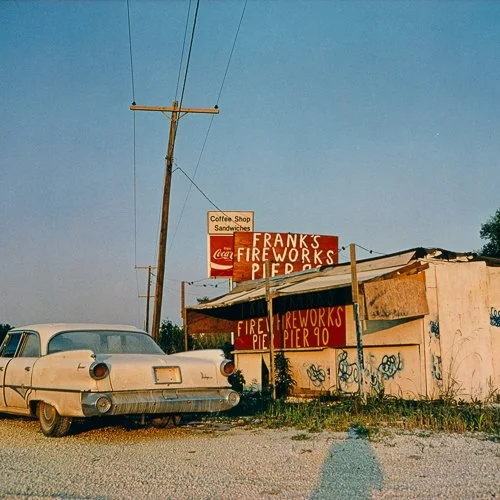
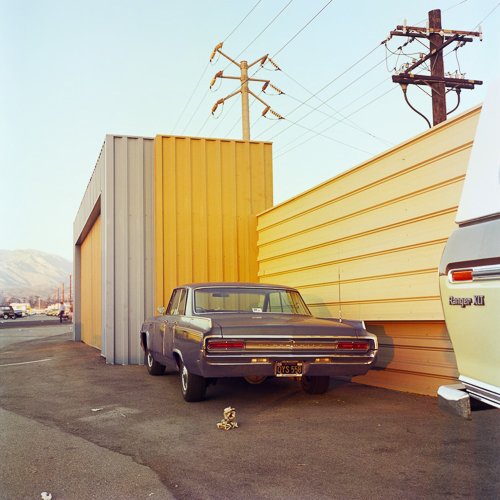
William Eggleston’s relationship to golden-hour light is more oblique but genuine. His colour photographs of the American South and Midwest — made in the 1960s and 1970s, printed in the dye-transfer process that intensifies colour as radically as anything short of darkroom manipulation — frequently place mundane subjects in late-day warm light that transforms their quality entirely. A motel parking lot or a gas station canopy, in flat midday light, is simply a document. In warm, raking late-afternoon light, with the dye-transfer process intensifying the reds and ambers, it becomes something closer to a landscape painting. Eggleston's relationship to time of day is inseparable from his relationship to colour as a medium: the warmth he was after required the right light, and the dye-transfer process required that warmth to have something to amplify.

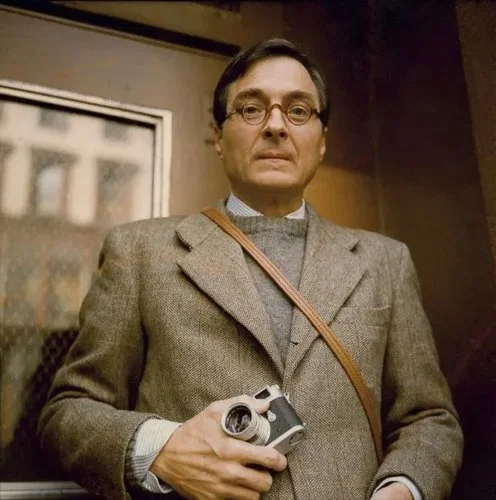


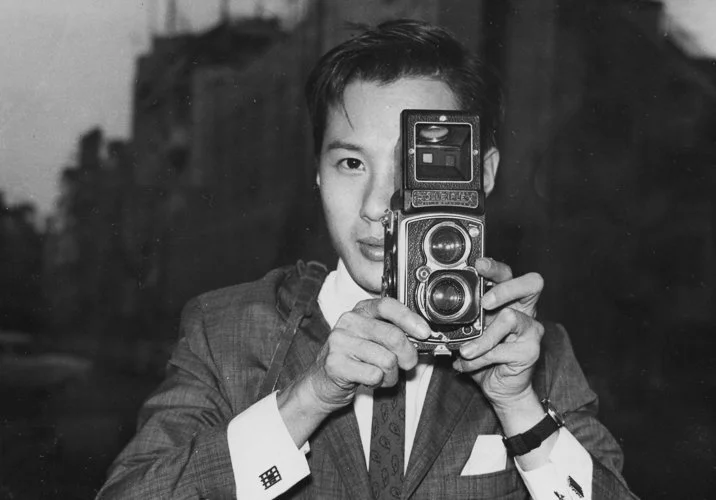
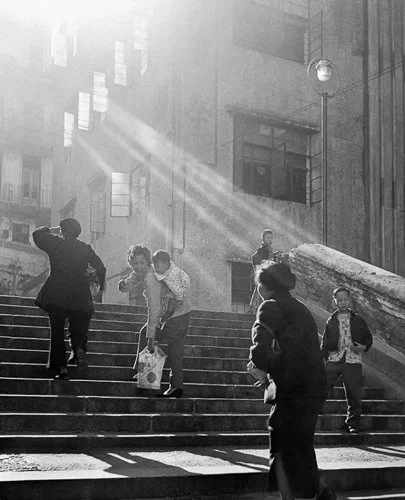
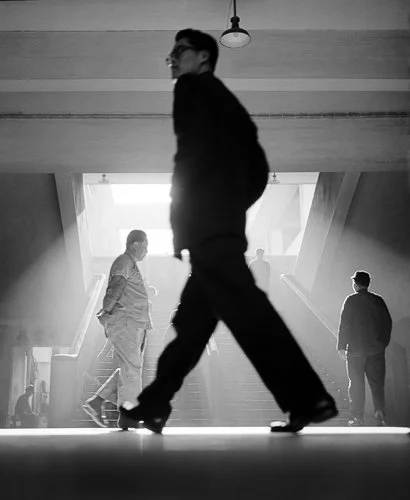
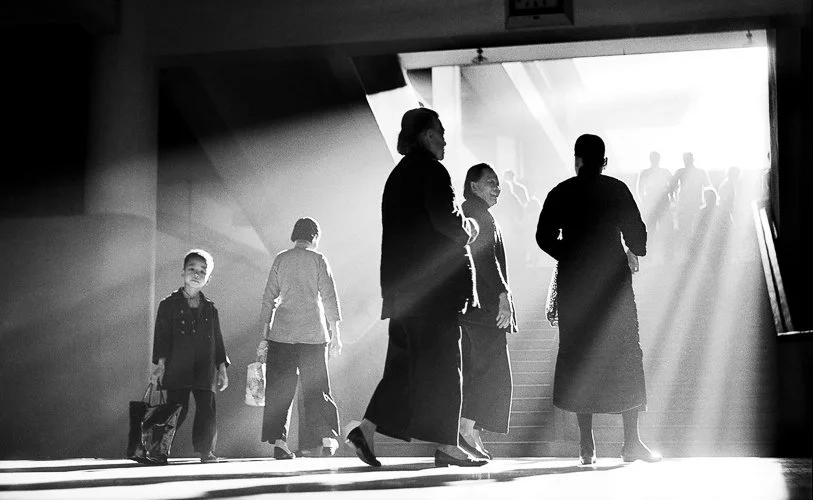
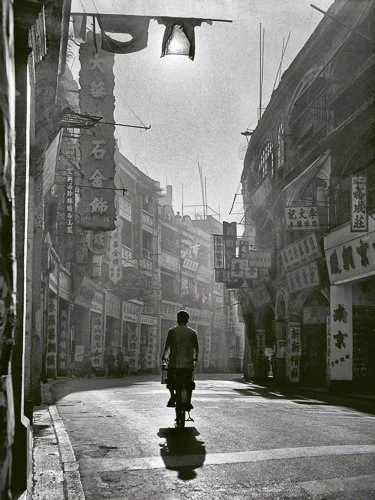
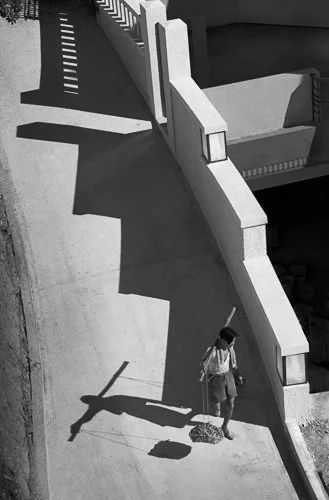
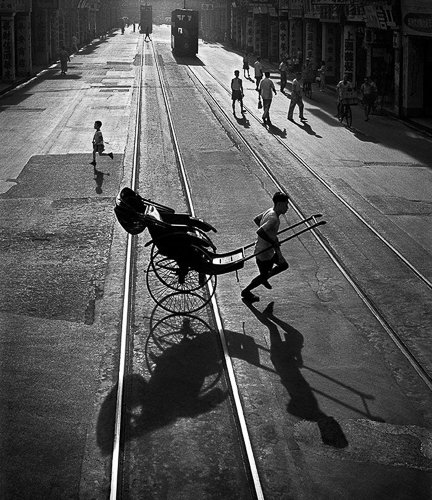
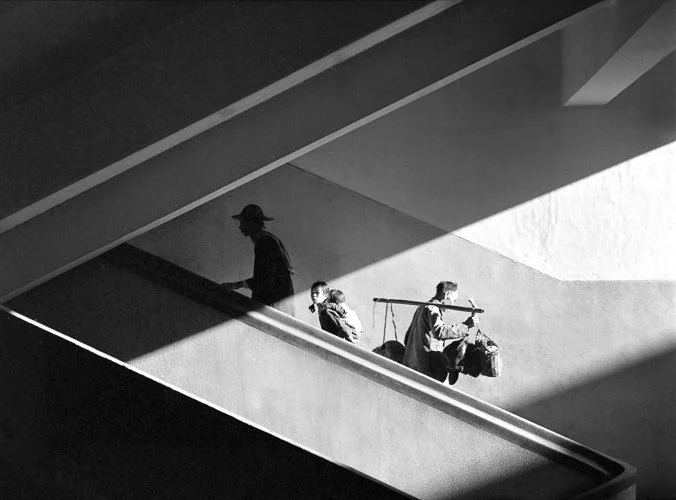
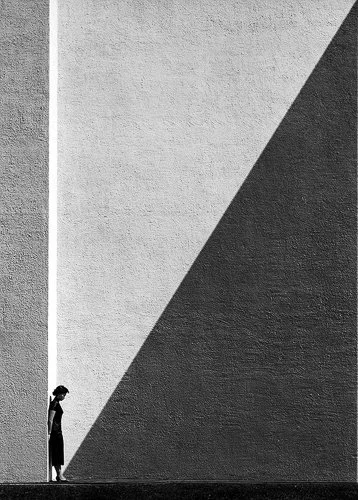
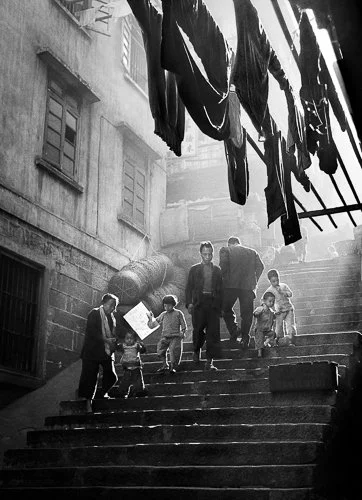

Fan Ho’s street photographs of 1950s and 1960s Hong Kong frequently use late-afternoon light to create the long shadows and high contrast he favoured, but the golden hour was a tool in his compositional system — a means to the shadows and chiaroscuro effects he was after — rather than an end in itself. The distinction is worth noting: golden hour as emotional subject is one thing; golden hour as a compositional instrument is another, and both are valid approaches.
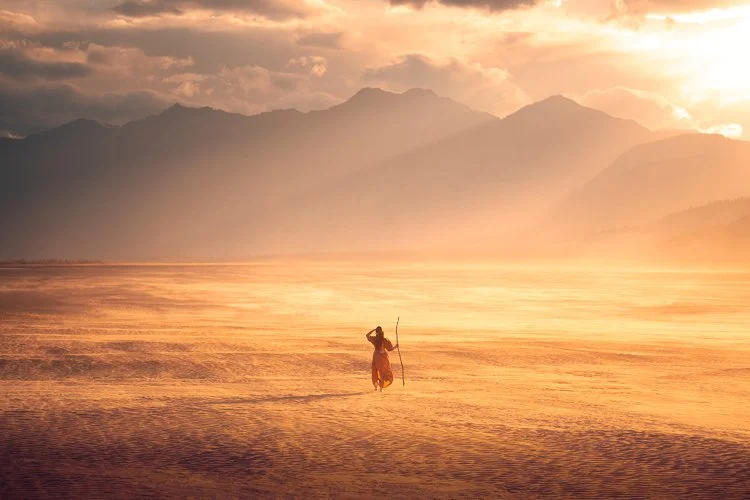
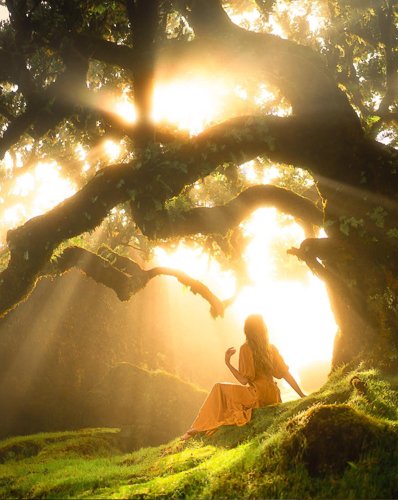
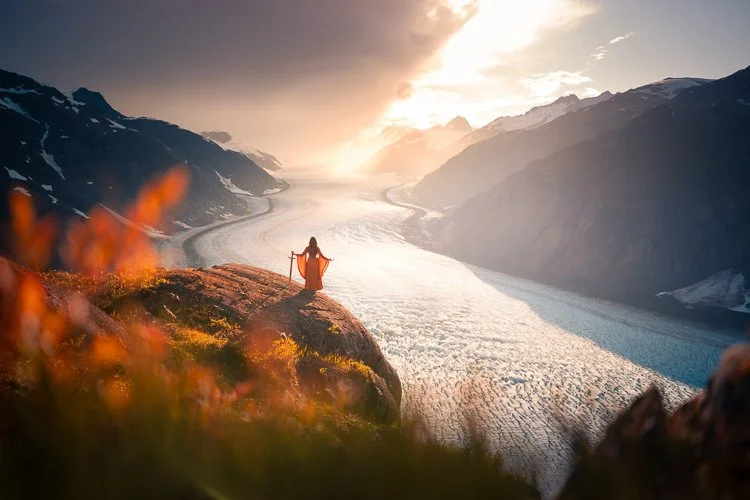
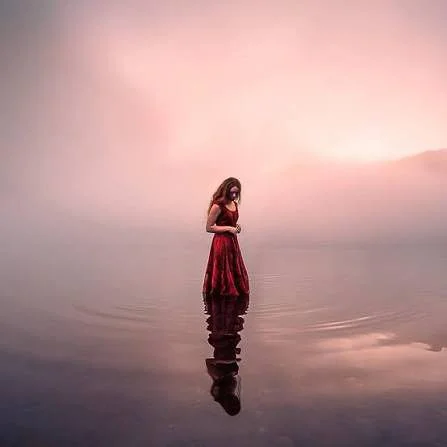
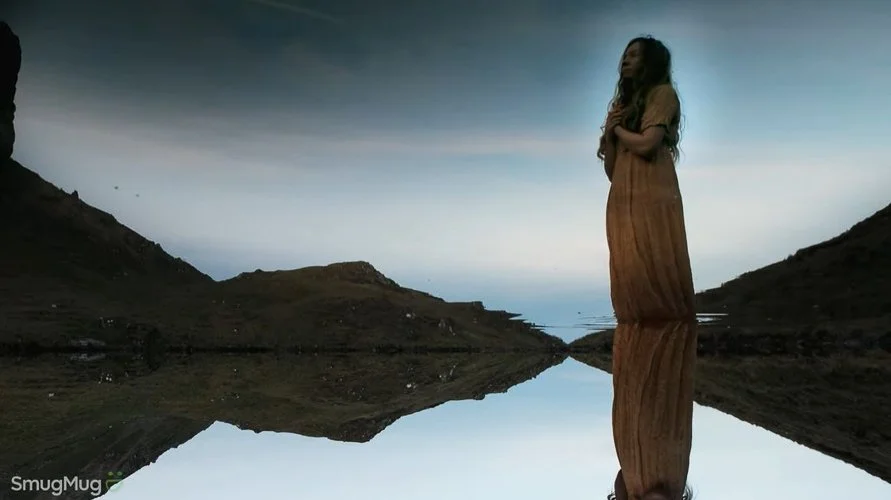
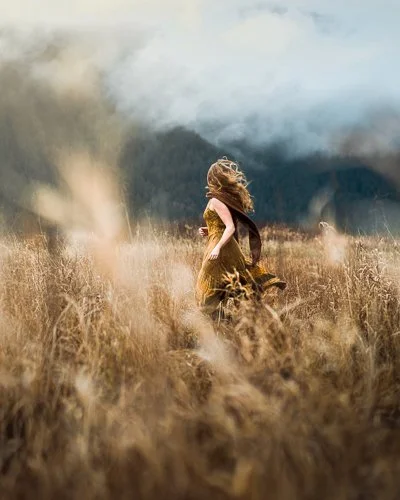
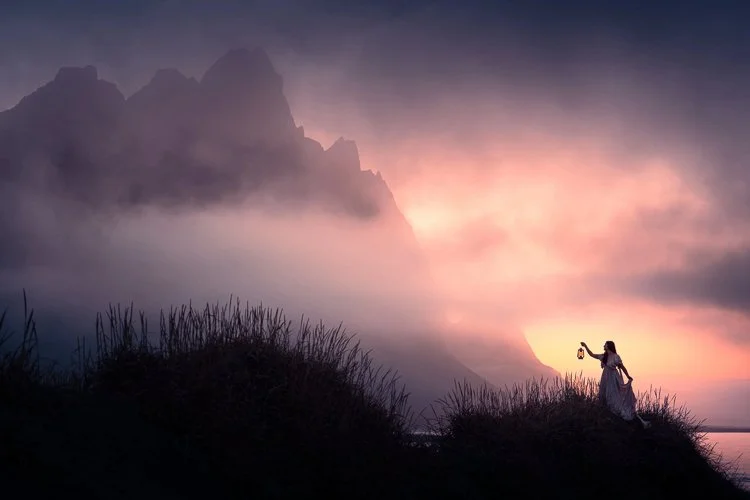
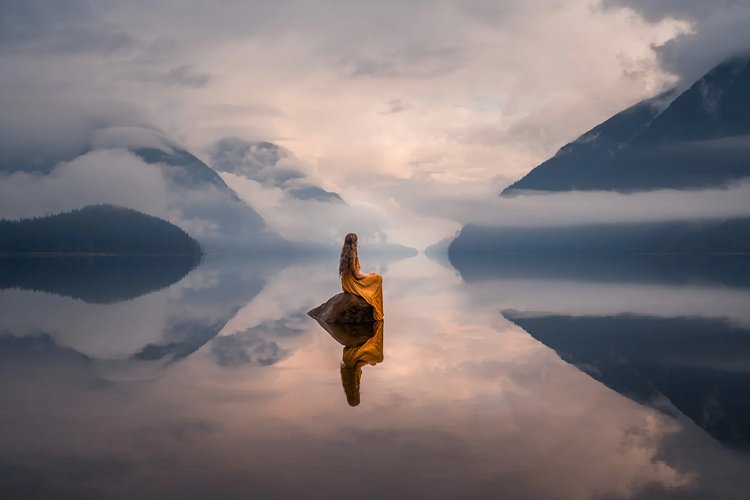
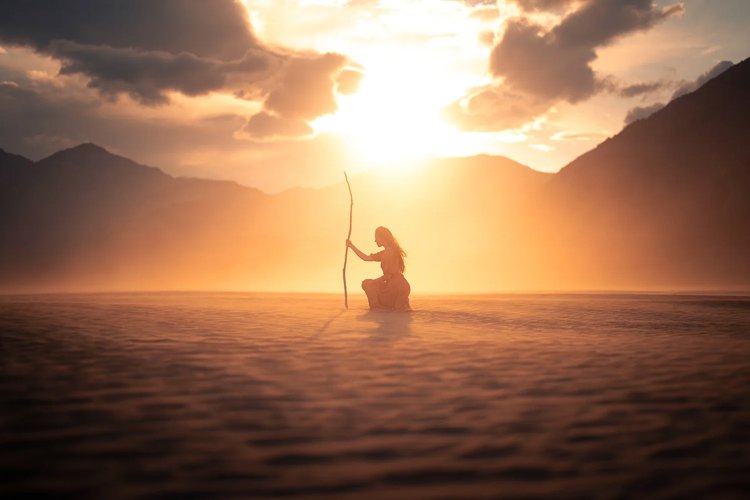
Elizabeth (Lizzy) Gadd's contemporary self-portraits in Icelandic and Canadian landscapes have built a sustained body of work around the conditions that high-latitude golden light makes available — the long hours of warm light, the dramatic skies, the quality of late-evening colour in northern environments. Her work demonstrates what is possible when you accept the inconvenience of the light's schedule as a structural principle rather than a logistical problem.
Duration, Geography, and Planning
The practical consequence of everything above is that golden-hour photography rewards planning. The light is available at specific, predictable times; the direction it comes from changes with season and latitude; and without some forethought, you will often find yourself in the wrong place, facing the wrong direction, having arrived three minutes before sunset.
The Effects of Latitude and Season
The interaction of latitude and season produces a useful pattern:
At the equator and low latitudes (Singapore, Nairobi, Mumbai), golden hour lasts approximately twenty to twenty-five minutes, year-round, at both sunrise and sunset. The sun drops fast, the transition is brief, and you need to be ready.
At mid-latitudes (London, New York, Tokyo), the duration varies significantly with season. In summer, when the sun sets at a shallow angle in the north-west, golden hour runs to sixty to ninety minutes. In winter, when the sun barely gets above the horizon in the south, the "golden" quality can persist through much of the short afternoon — the sun's maximum elevation may be low enough that even midday has something of golden-hour character. London in December can be genuinely beautiful for all-day photography for this reason.
At high latitudes (Iceland, northern Norway, Scotland in summer), the sun skims the horizon for extended periods around the solstice. A summer evening in the Outer Hebrides, with the sun setting in the north-west at 10 p.m. and the golden light lasting three hours, is a qualitatively different experience from a twenty-minute sprint in Nairobi.
Around the Arctic Circle in midsummer, the sun does not set at all. The light grazes the horizon continuously, and the qualities of golden hour — warm, directional, long shadows — persist through the "night." Photographers travel specifically for this: the midnight sun in Iceland or northern Scandinavia is not a novelty but a serious creative condition.
It’s All About the Weather
Clouds are a complicating variable that can destroy or dramatically enhance golden hour.
A complete overcast — thick cloud cover from horizon to horizon — eliminates golden hour entirely. The sun never appears, the warm light never arrives, and you get a gradual dimming instead of a transformation. This is worth checking before you set an alarm for 5 a.m.
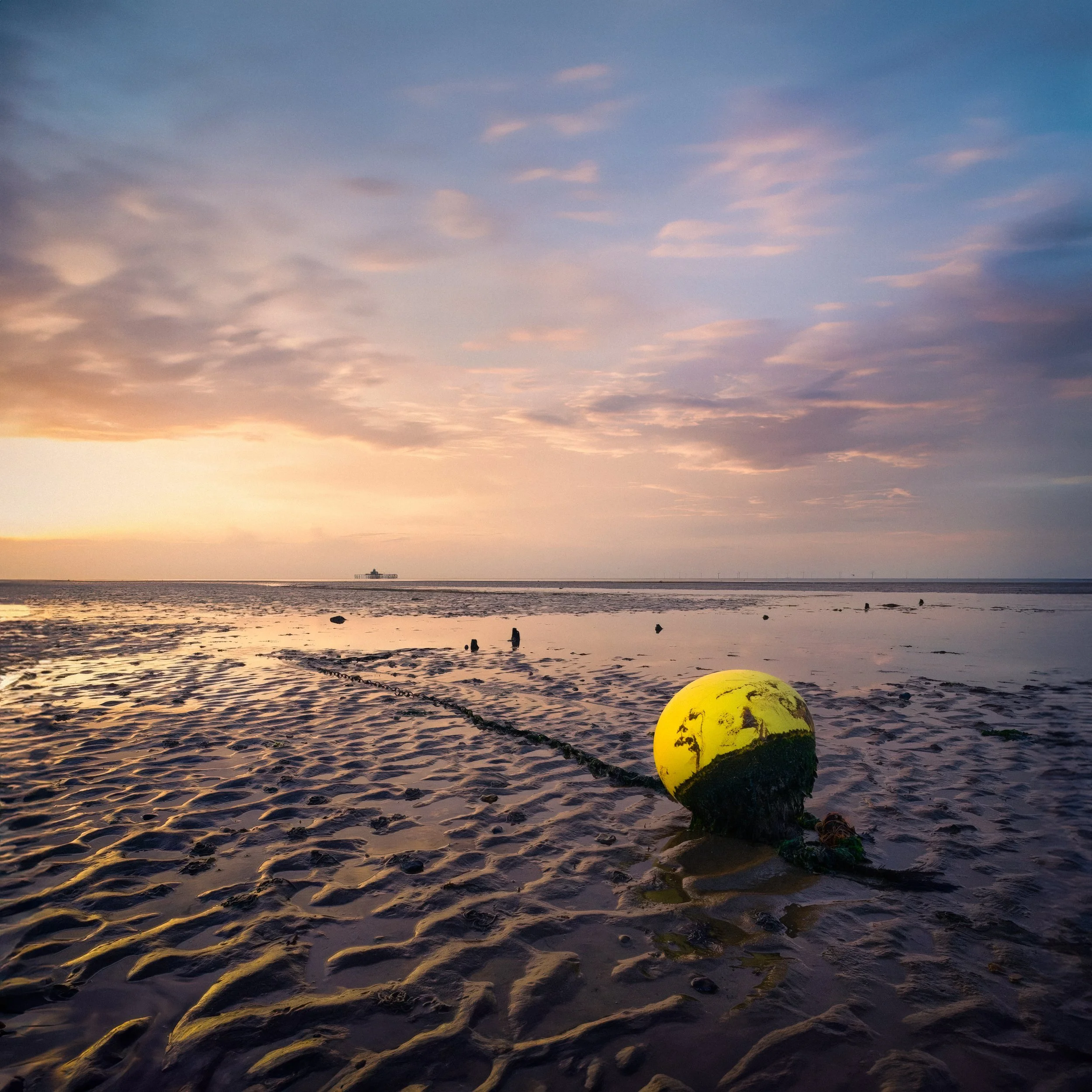
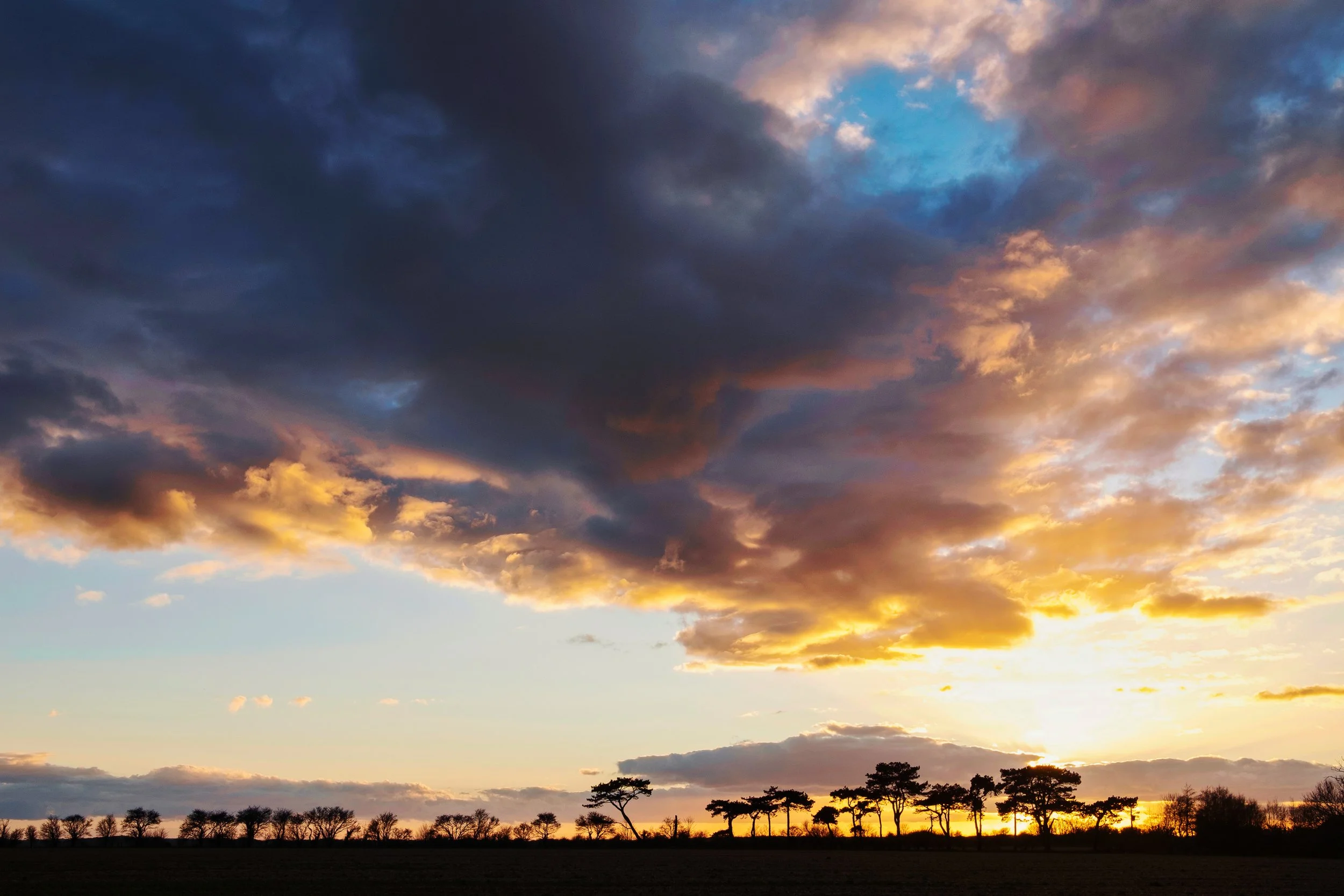
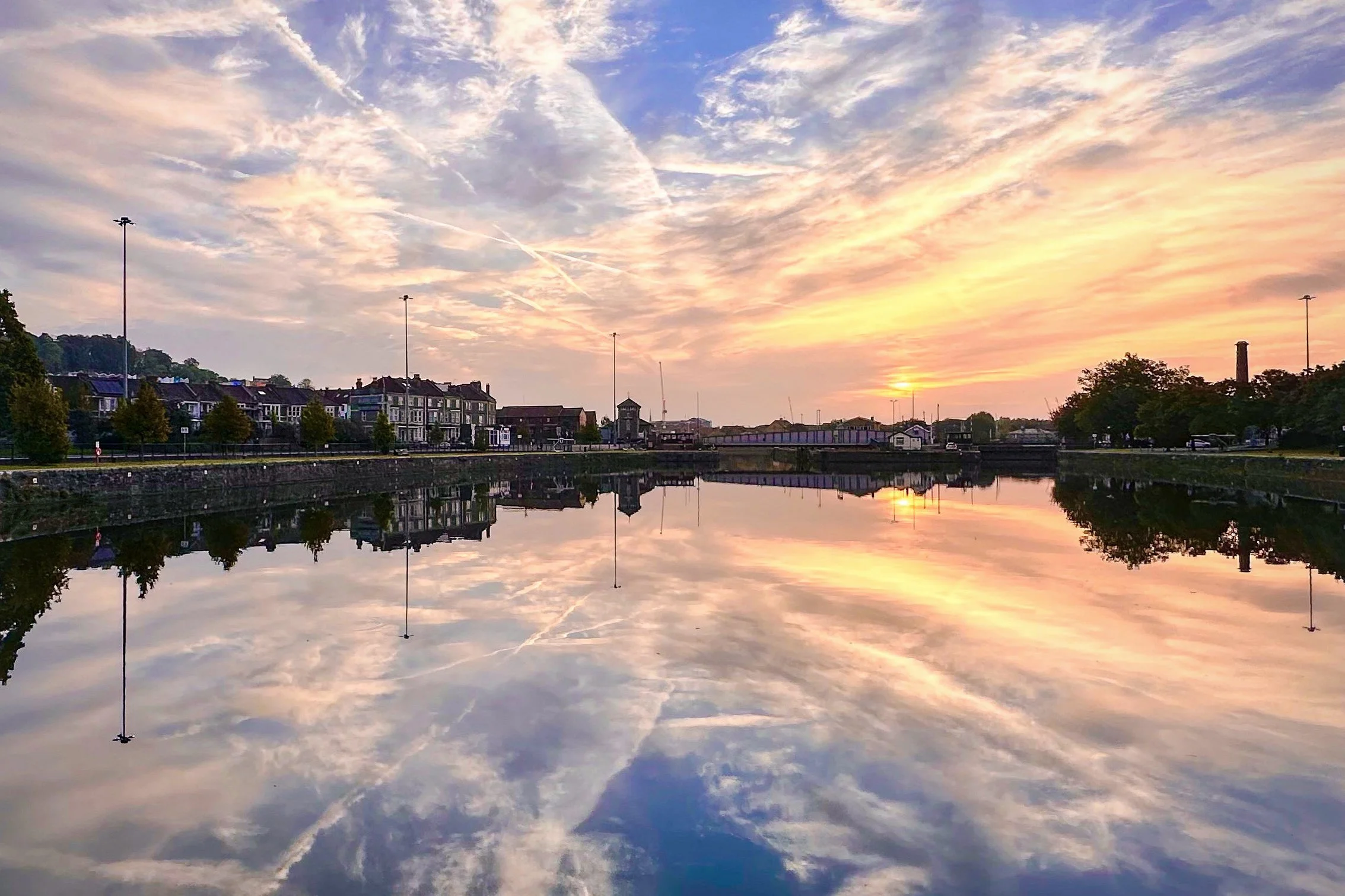
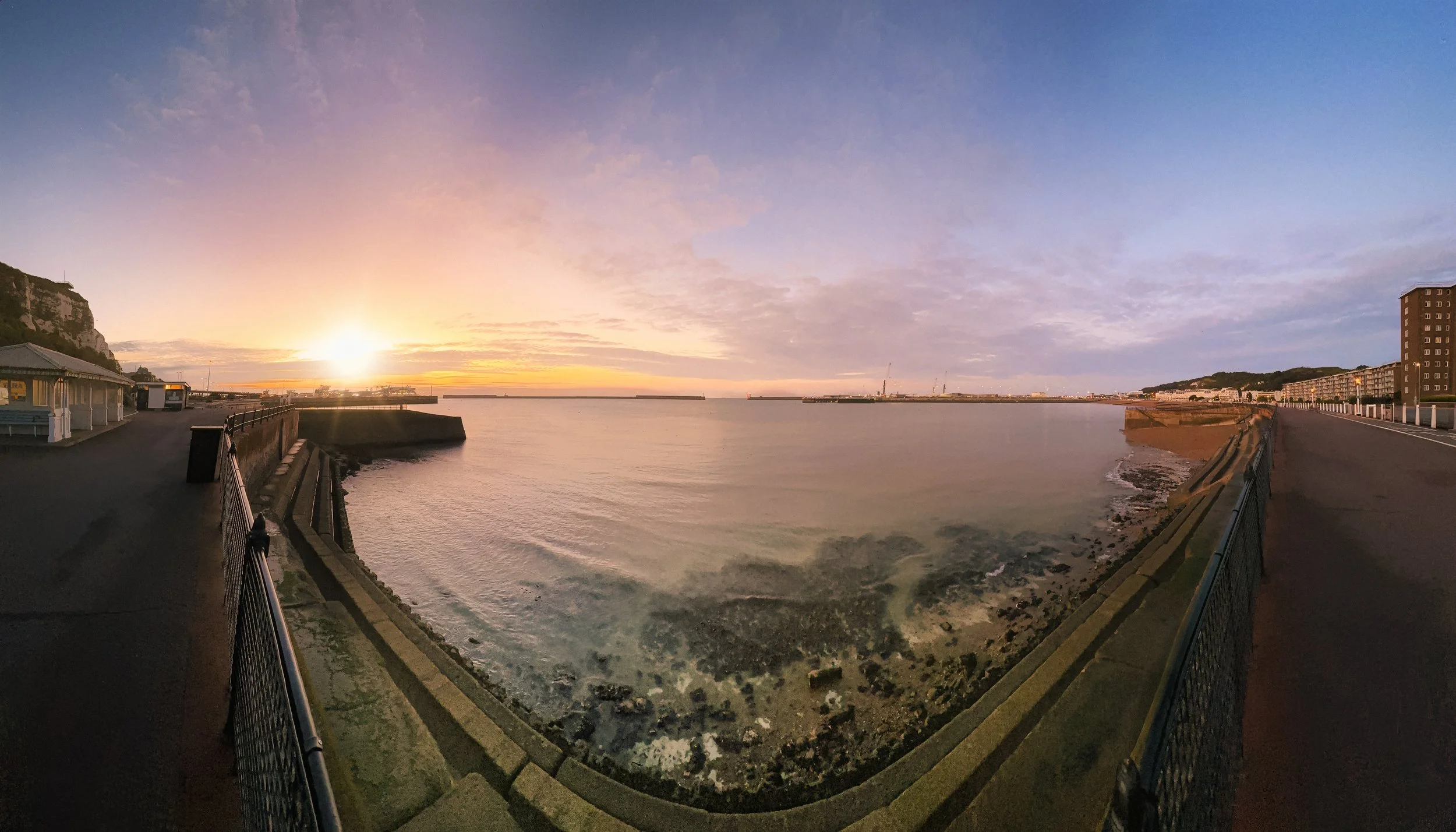
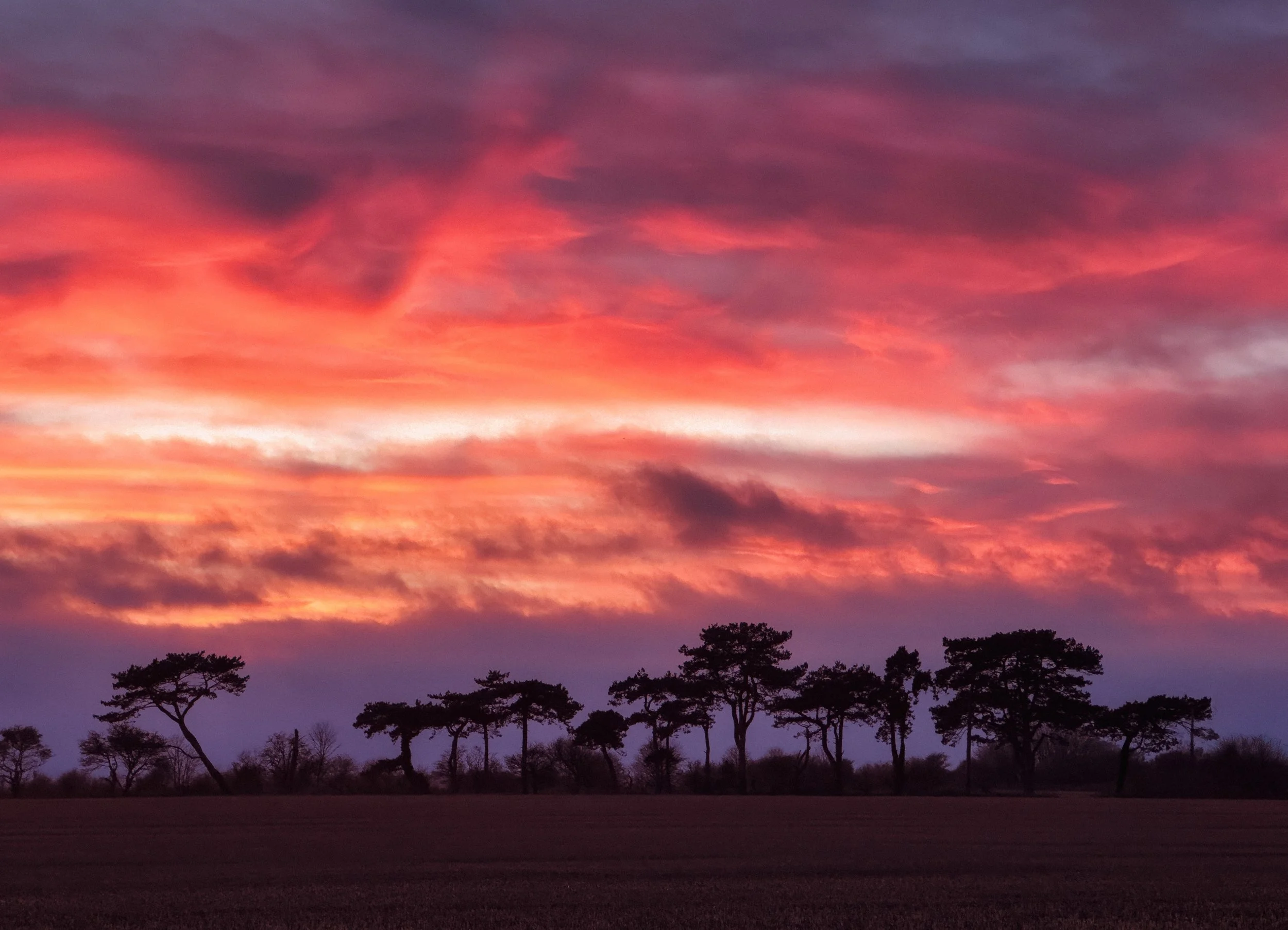
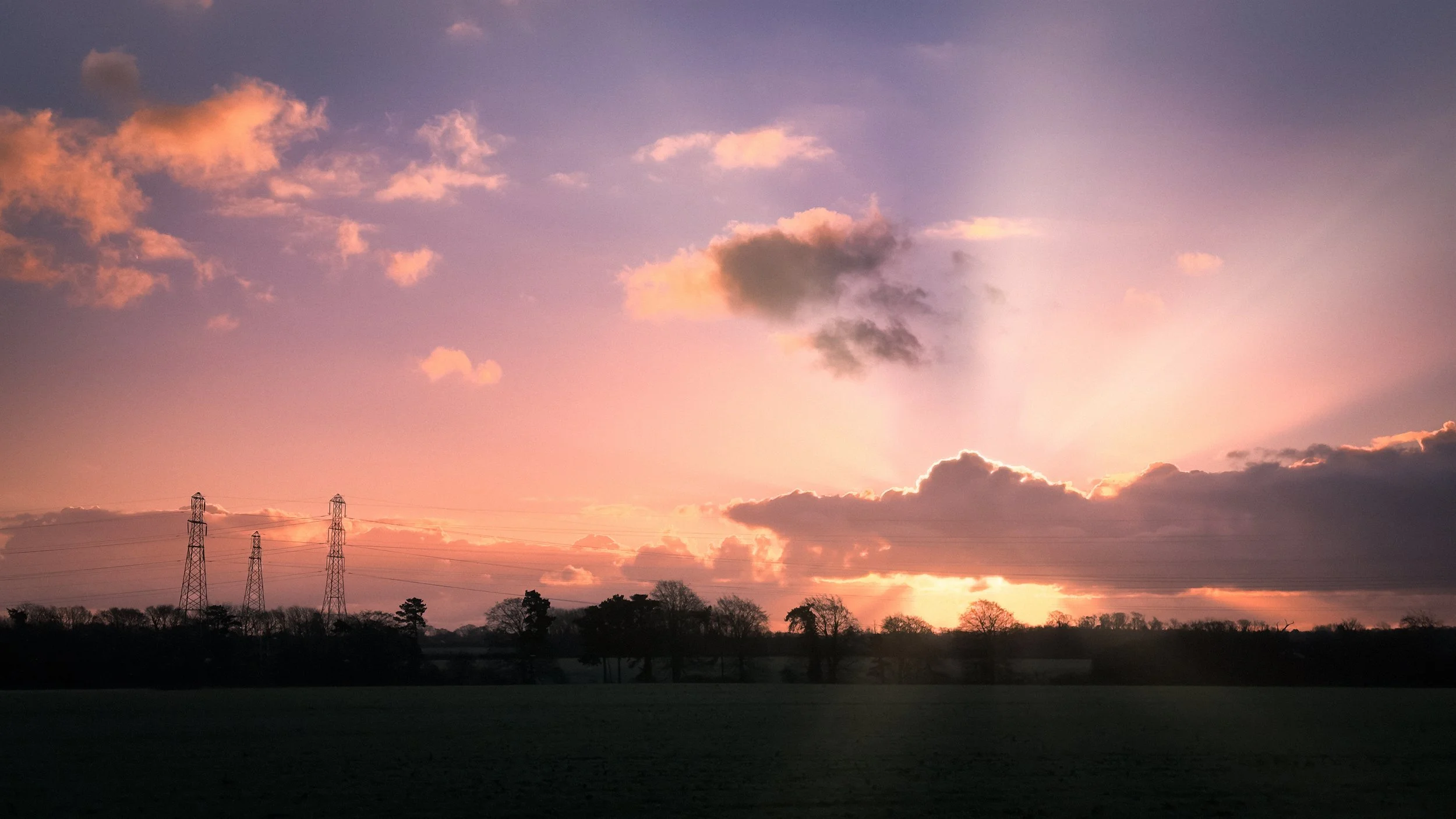
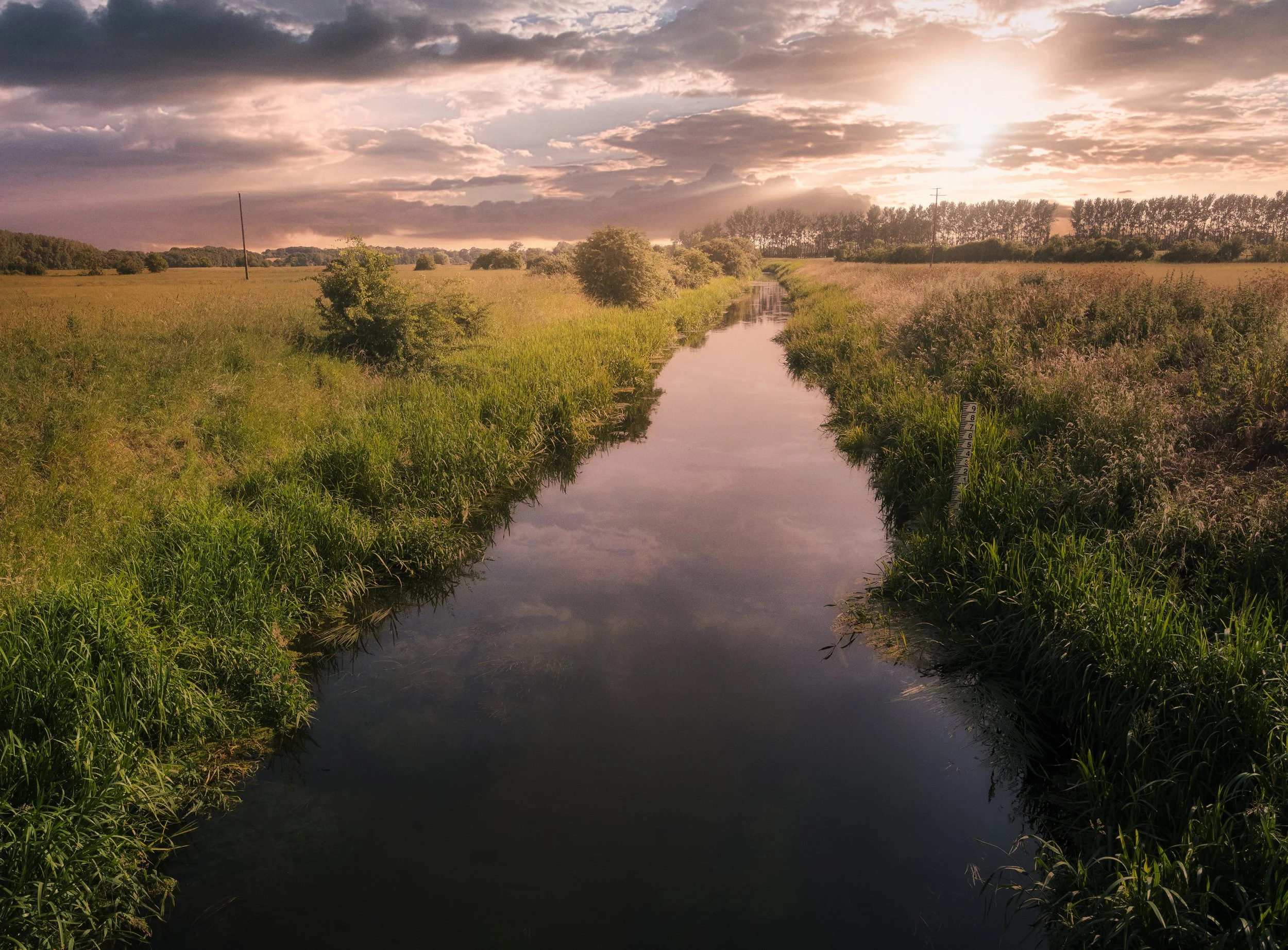
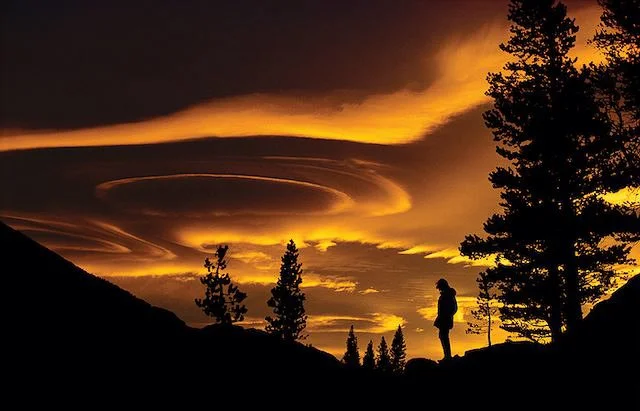
Partial cloud cover is a different matter. Scattered clouds at sunset catch the warm light from below and glow — red, orange, pink — in ways that are genuinely spectacular. The sky becomes a subject in its own right, not just a backdrop.
Imagine the ten minutes immediately following a rain shower, at sunset, when the clouds are breaking, the atmosphere is washed clean, and the low sun is hitting the underside of departing cloud. This is among the most dramatic light conditions available, and it is entirely unplannable.
Tools for Planning Your Shoot
The Photographer's Ephemeris is the standard planning tool for landscape and outdoor photographers. The web version is free and requires no download; paid plans unlock additional features. It is a map-centric sun, moon, and Milky Way calculator: you place a pin at your intended location, set the date, and the tool shows you precisely where on the horizon the sun will rise and set, the direction of light at any time of day, the start and end times for each phase of twilight, and the duration of the golden hour for that location on that date.
For a specific practical use: if you want to know whether the sun will set directly behind a particular landmark from a particular viewpoint — say, behind a chalk stack on the coast, or through a gap in the trees on a hillside — you can set a second pin at the landmark, read off the sunset azimuth, and see whether the angle works. This kind of forward planning, which used to require geometry and a compass, now takes about two minutes.
PhotoPills is the other major option, paid but well-regarded, with augmented reality overlay features that let you point your phone at a scene and see, superimposed on the live camera view, where the sun will be at any specified future time. This is particularly useful for scouting: you can stand at your intended position, point your phone at the horizon, and verify that the sun will set where you think it will.
Both tools are worth the time to learn. The basic principle — know where the sun will be before you arrive — is one of the habits that separates photographers who consistently get good light from those who consistently arrive at the right place five minutes after it has gone.
The Standard Advice About Arrival Times
Arrive thirty minutes before golden hour. This is not because the pre-golden light is particularly interesting, but because it gives you time to find your position, compose the shot, choose your lens, and be ready when the transformation begins. The light at that stage changes quickly — a stop or more in ten minutes as the sun approaches the horizon — and there is no time to be still working out where to stand.
Stay later than you think you need to. The blue hour, as described earlier in this article, begins the moment golden hour ends. The photographers who leave at sunset are leaving before the next episode starts.
Shooting With the Light vs Against It
You have three main orientations relative to the golden-hour sun: shooting with it behind you (front lighting), shooting with it at ninety degrees (side lighting), and shooting against it (back lighting). Each produces a fundamentally different image.
Shooting with the sun behind you maximises the warm colour on the subject: a face, a building, a landscape will be fully illuminated in golden light. But this orientation eliminates shadow interest and removes any possibility of rim lighting. The result can be beautiful, but it is also somewhat flat — everything is lit, everything is warm, and there is no dimension created by shadow.
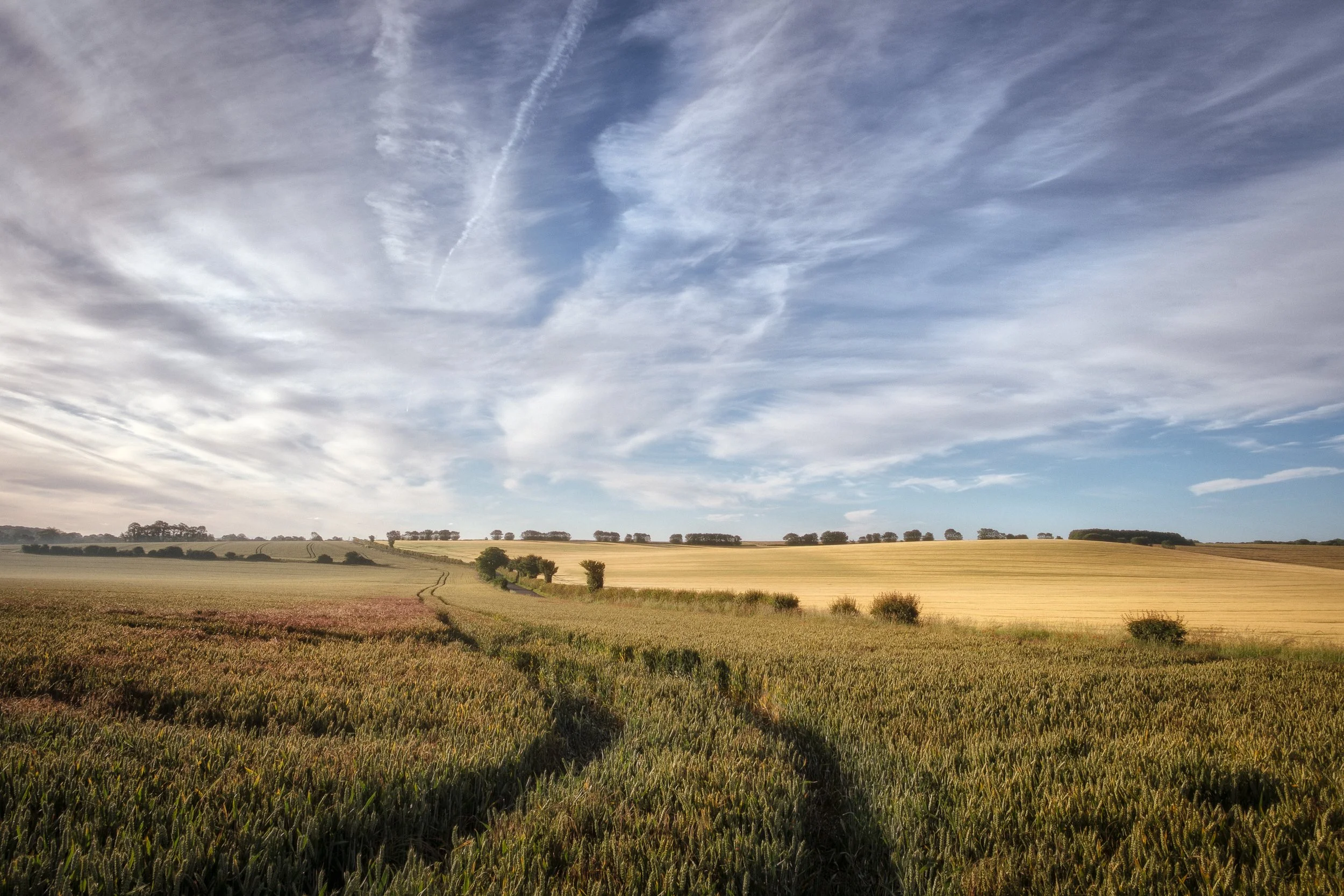
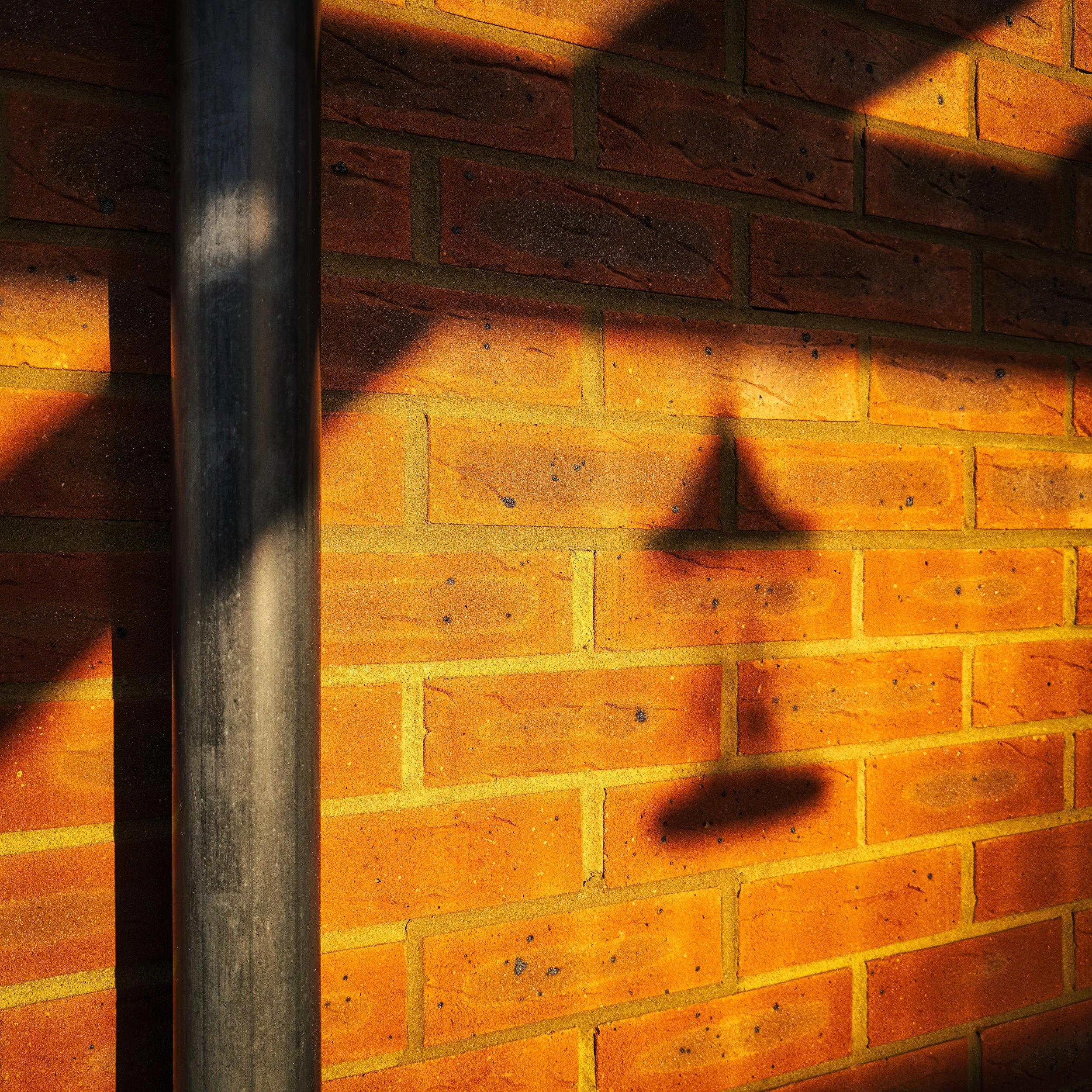
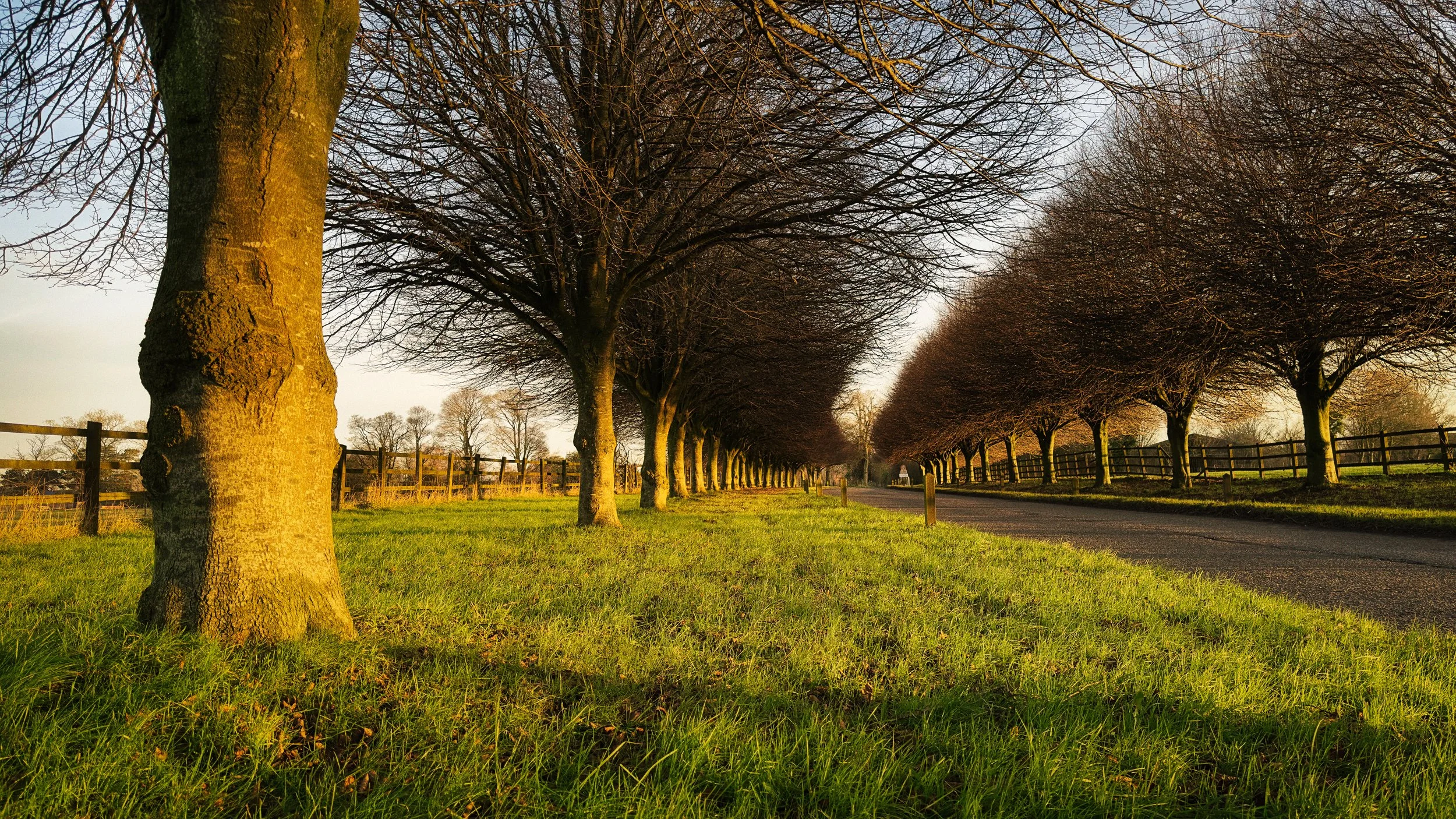
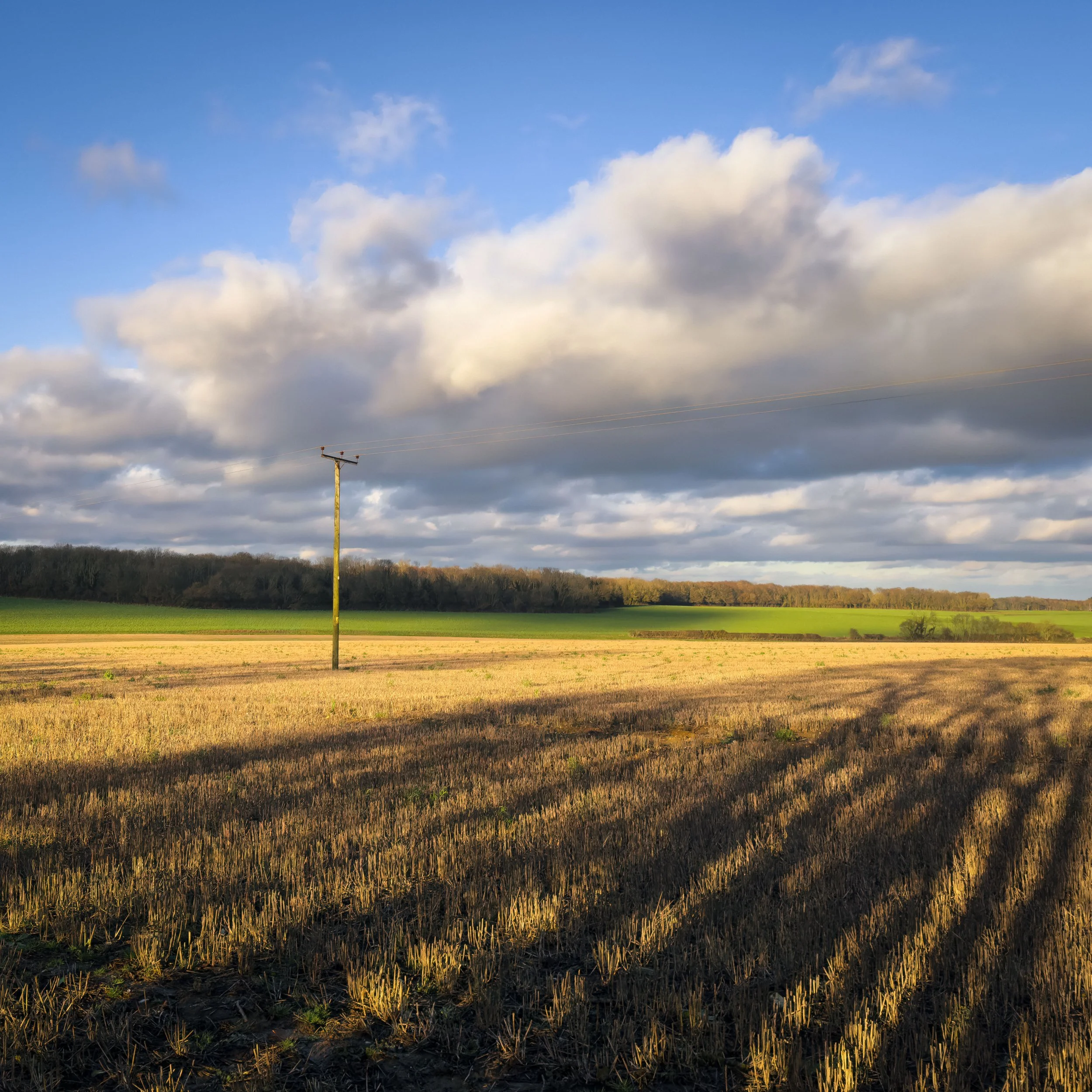
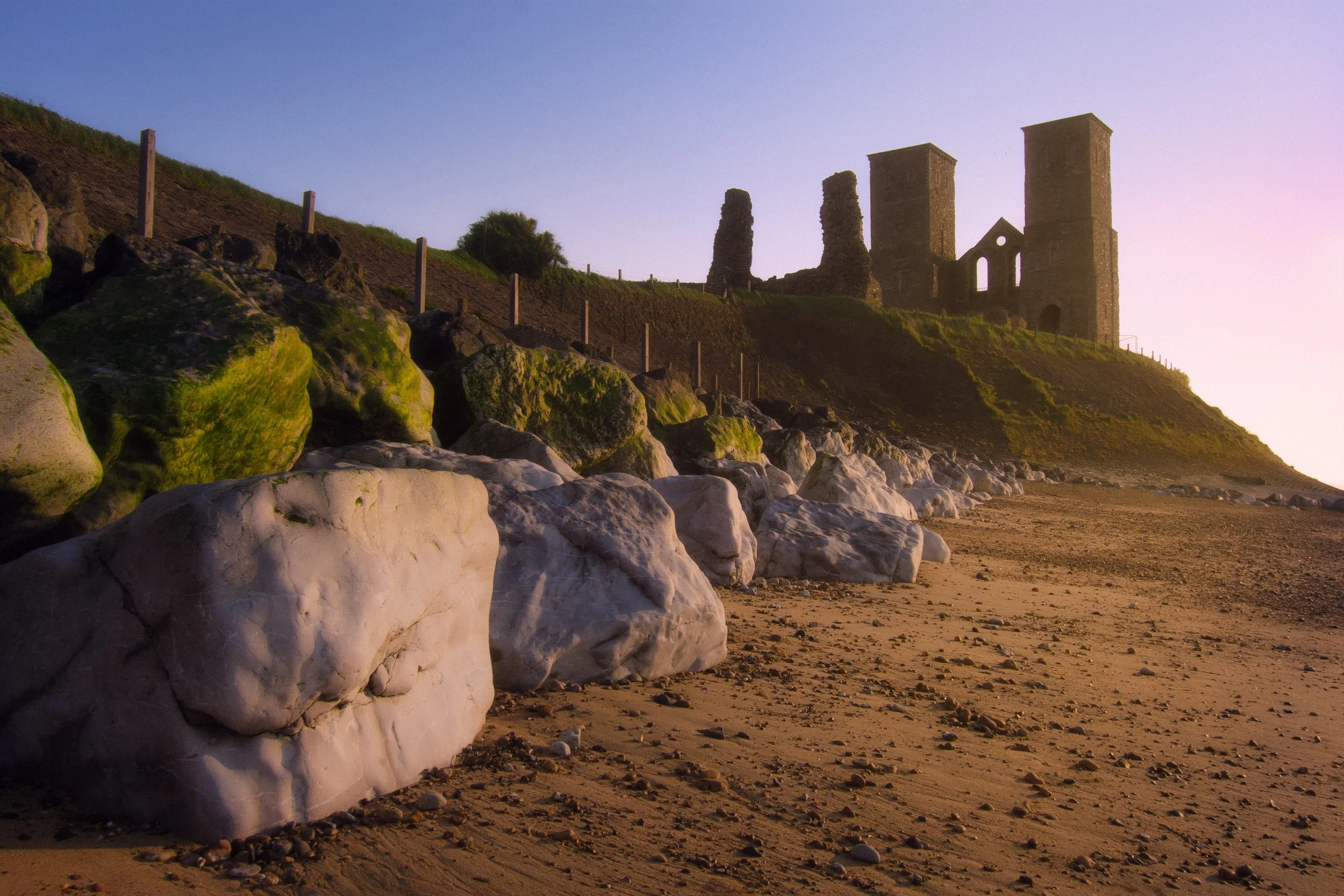
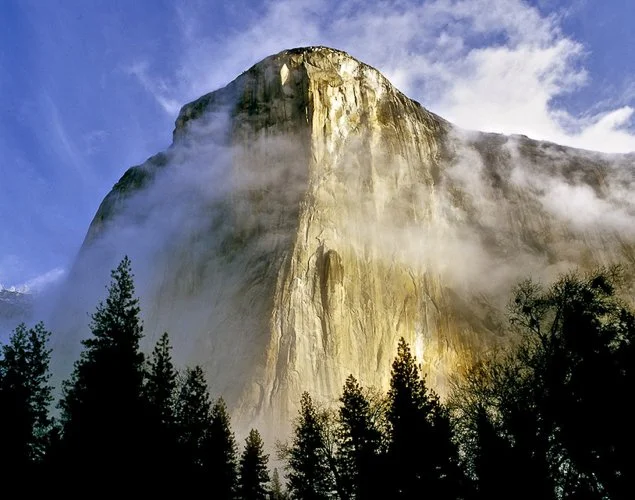
Side lighting at golden hour is the combination that landscape photographers most often pursue. The combination of low angle and lateral direction produces exceptionally long, dramatic shadows and reveals surface texture with unusual clarity. Weathered stone, bark, sand dunes, ploughed fields, chalk downland — all of these have a texture that is invisible in flat overhead light and fully apparent when raking, low-angle light catches every irregularity. This is covered in more depth in the Light & Shadows article; at golden hour, the principle is amplified.
Shooting against the light — with the sun in or near the frame — is where things get most interesting, and most variable. Back-lighting at golden hour creates several distinct effects depending on the subject and the sun's exact position:
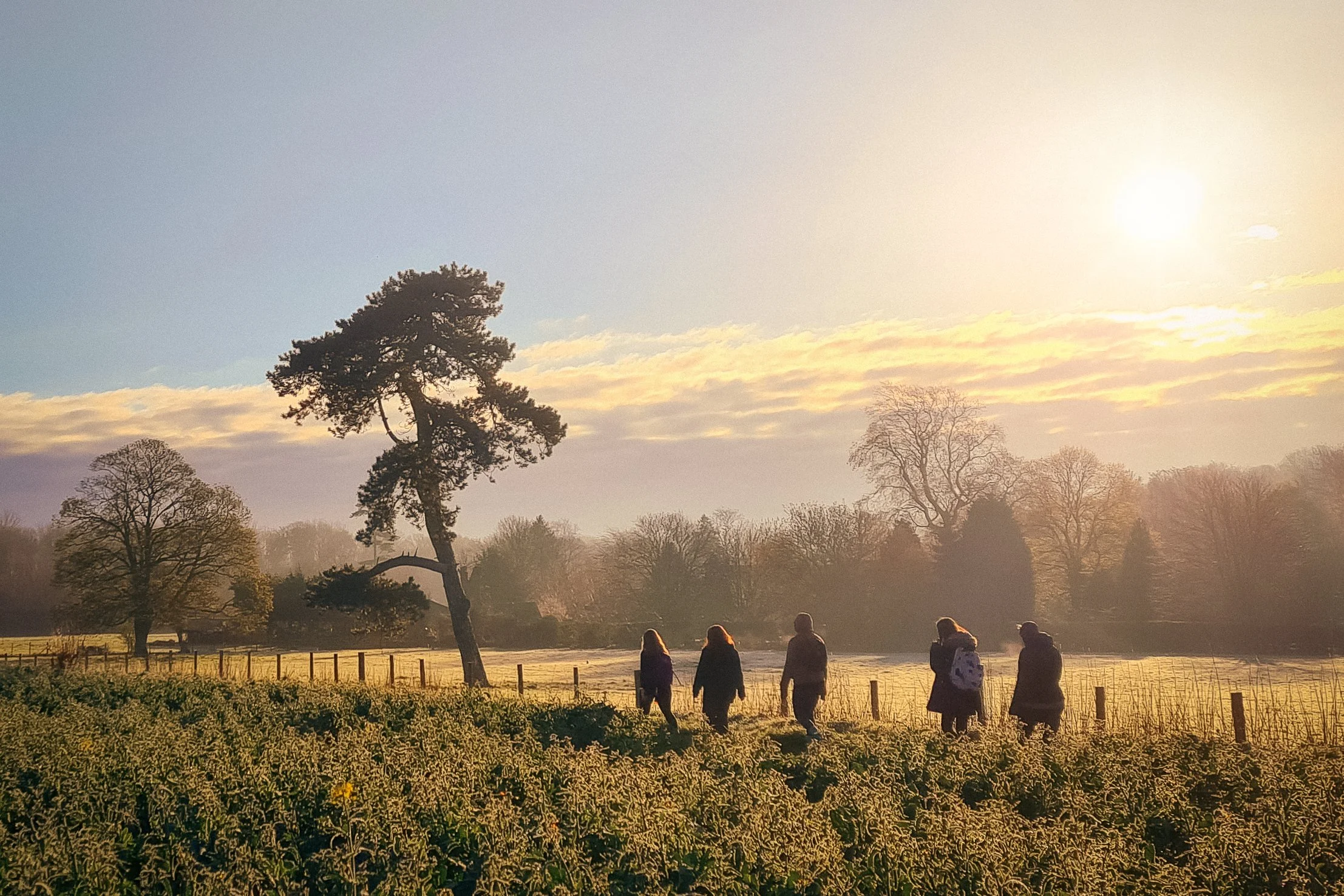
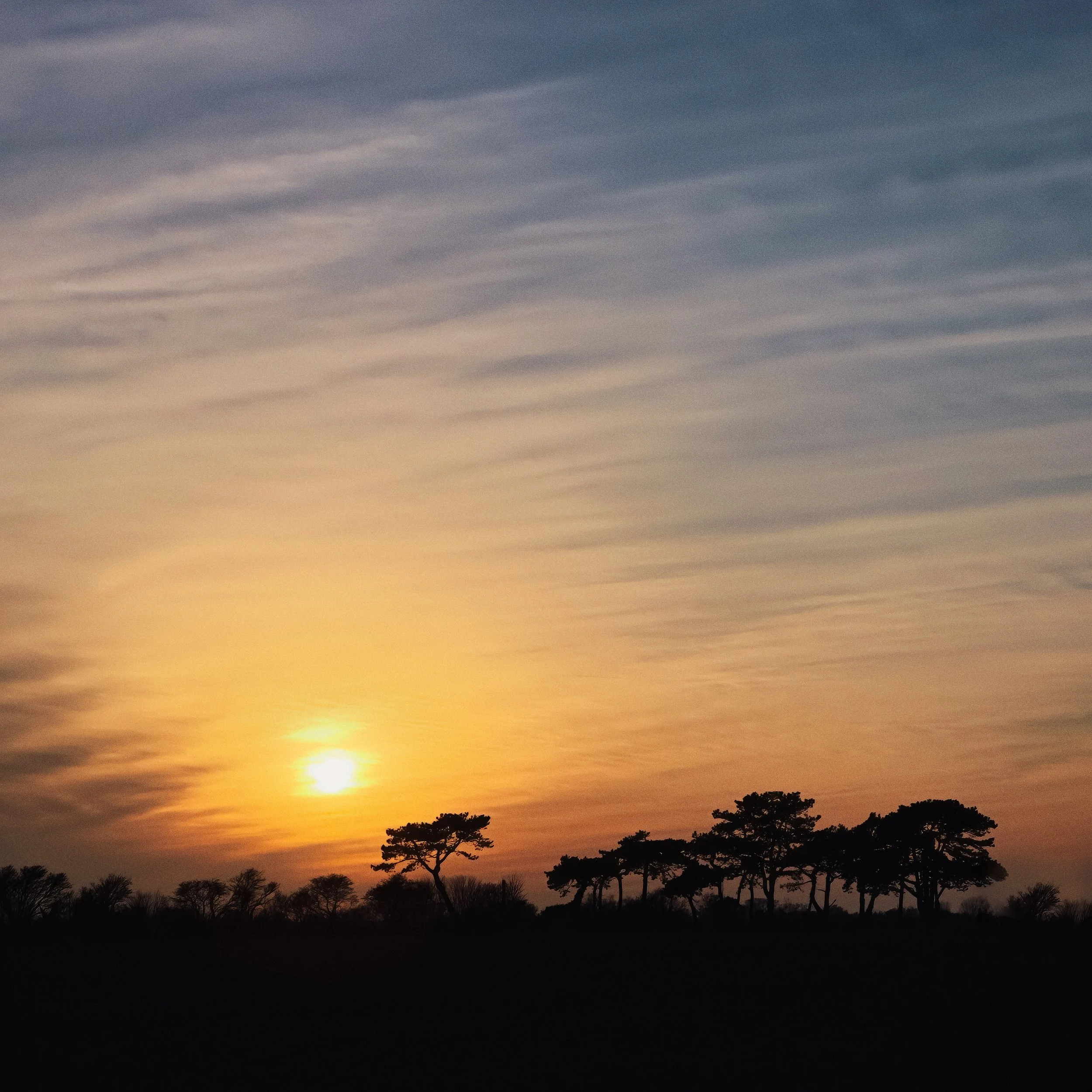
Silhouettes: expose for the bright sky and the subject falls to near-black. The rim of warm light that edges the silhouette separates it from the background with an intensity that no artificial light can quite replicate.
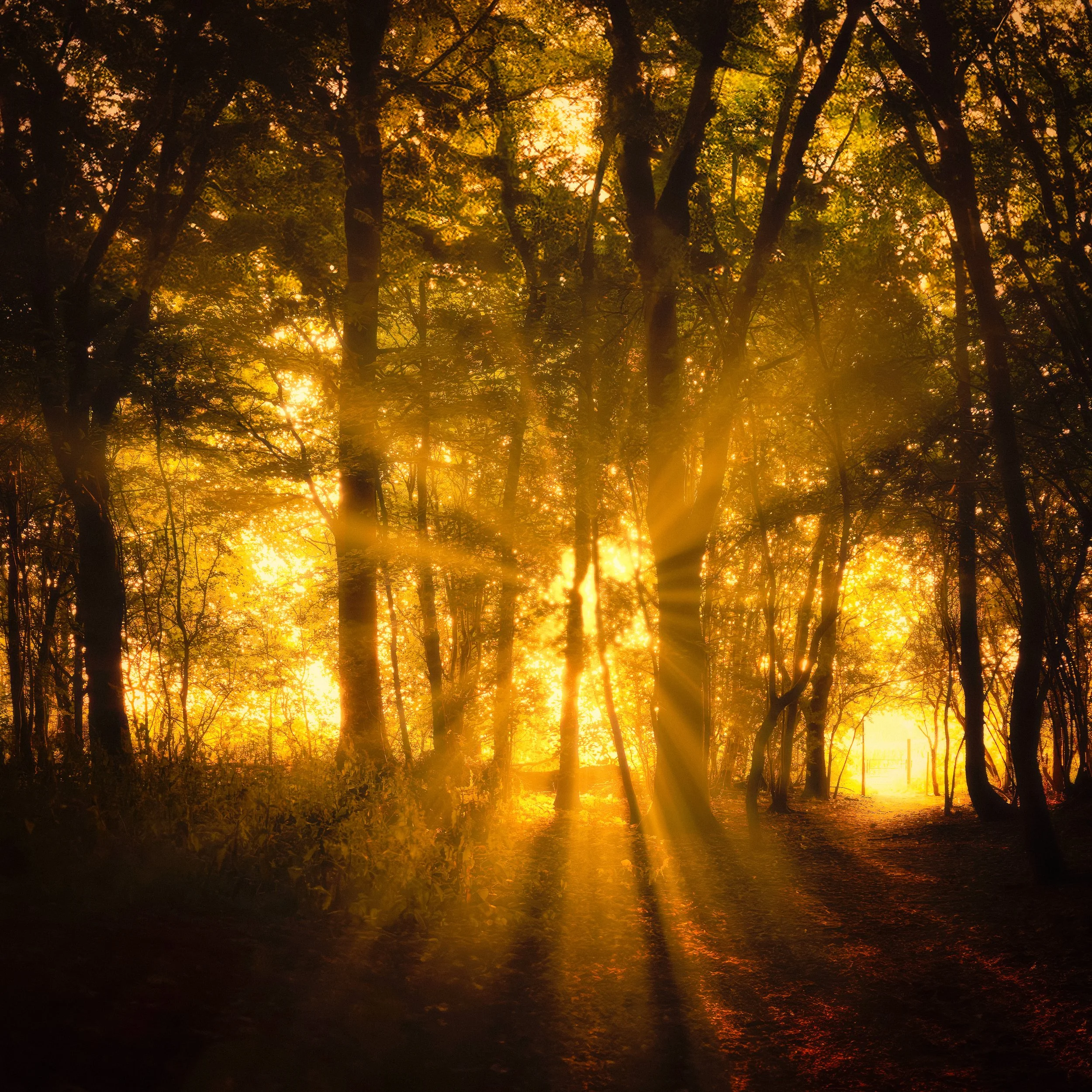
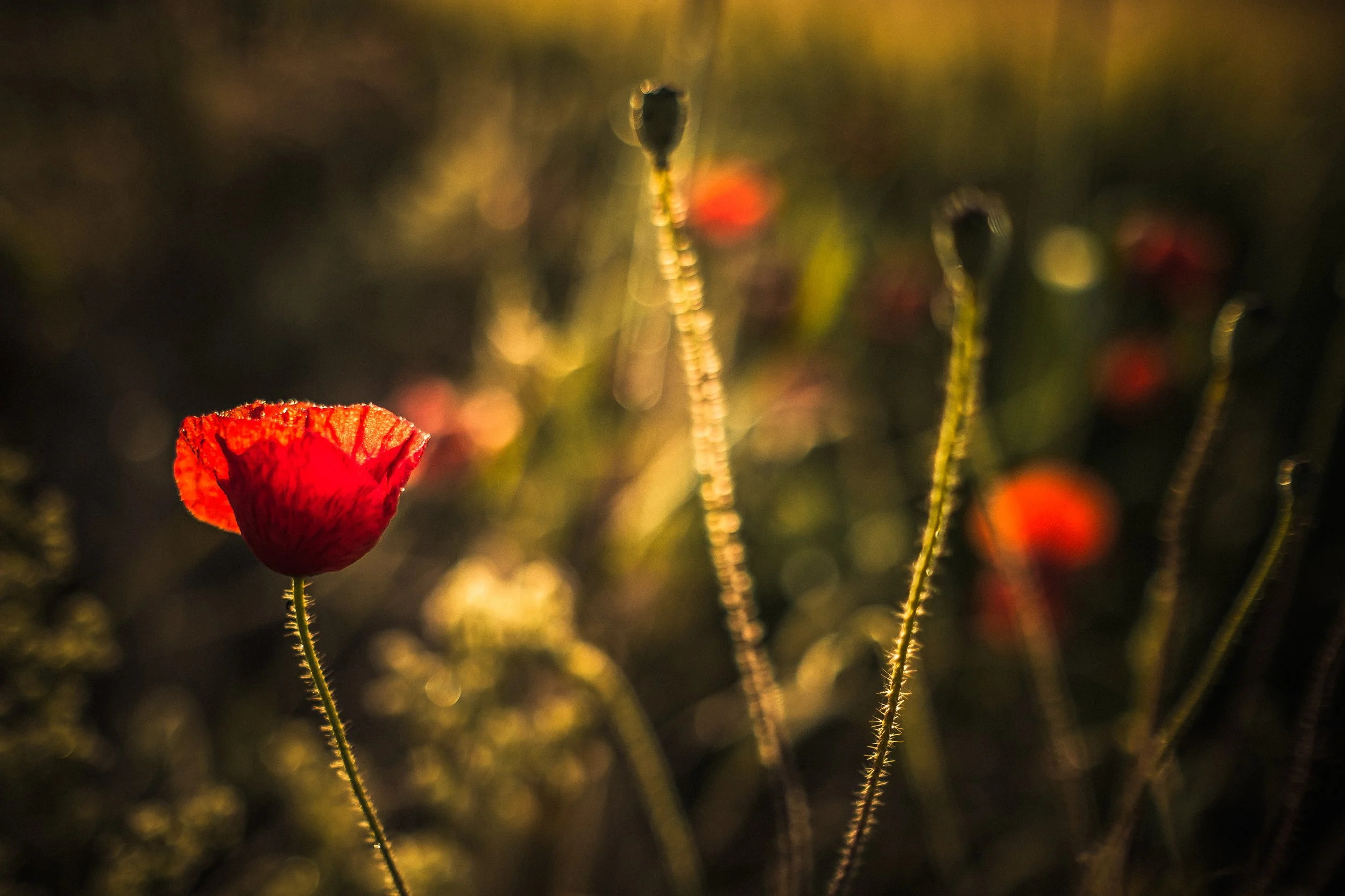
Rim lighting: with some fill from reflected light or by exposing slightly above the silhouette point, the warm glow around the edges of a subject — hair, leaves, fabric — creates a quality of separation and luminosity that is essentially unavailable in any other lighting condition.
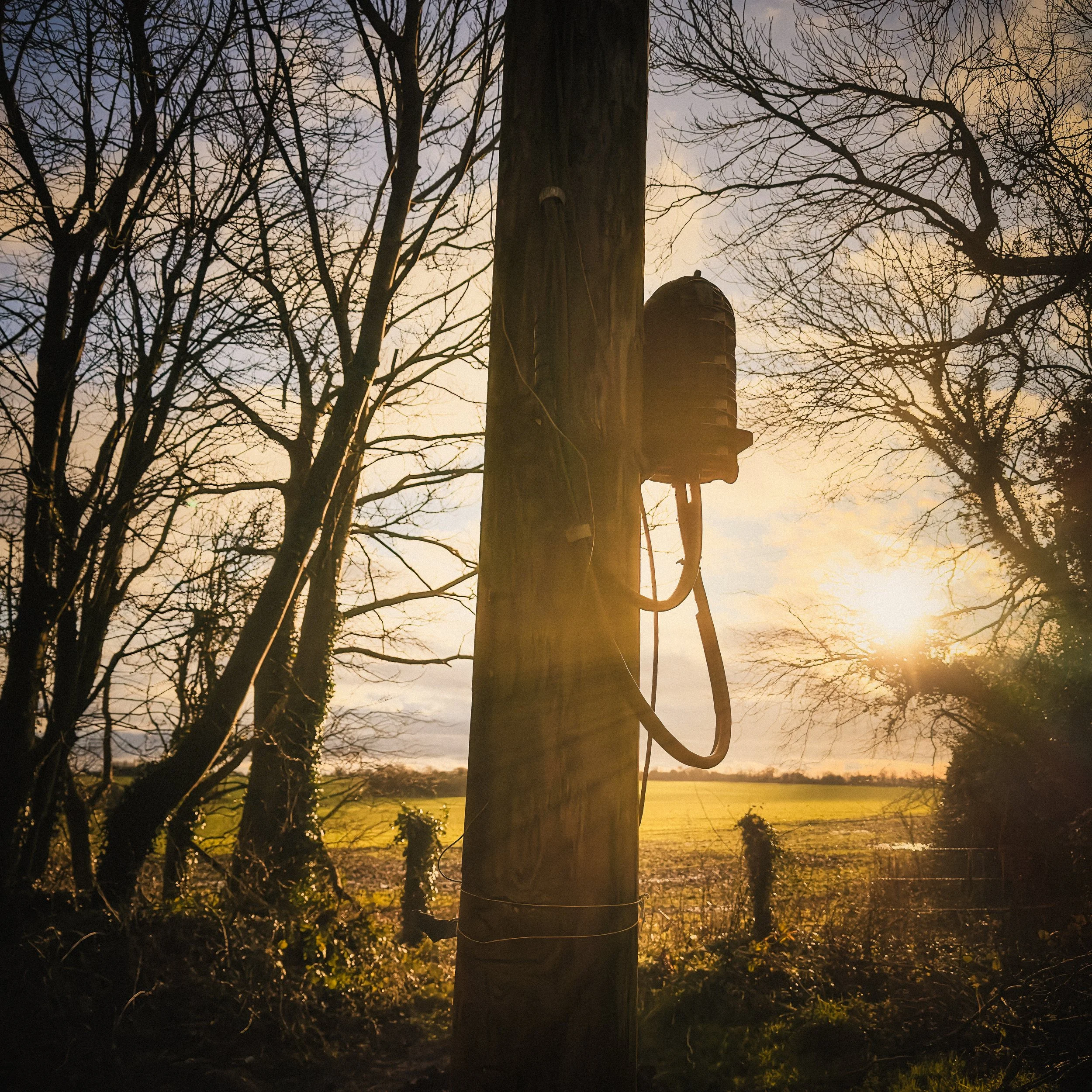
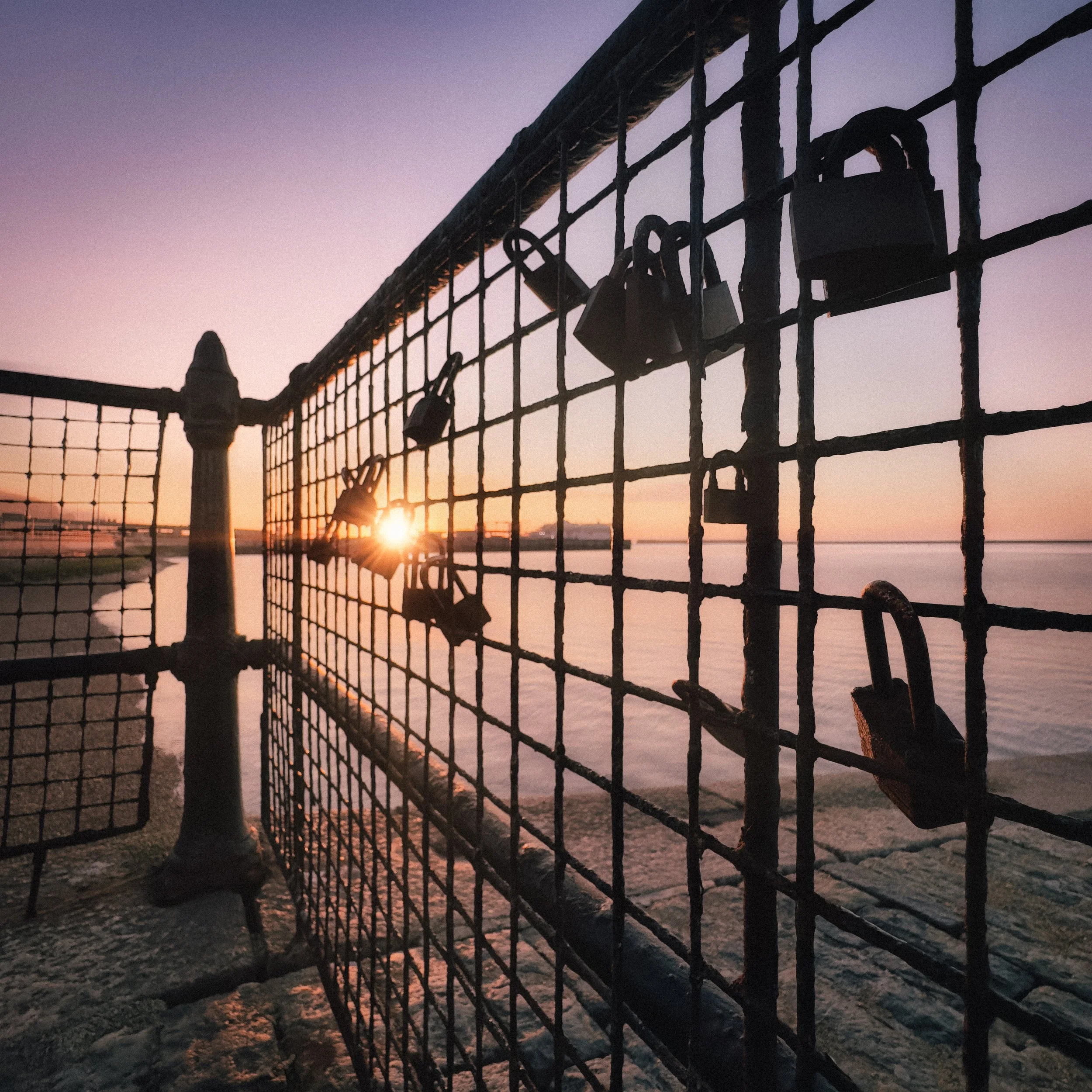
Lens flare: the radiating streaks and polygonal artefacts produced by sunlight hitting internal lens elements are, in most photographic contexts, avoided. At golden hour, they can be used deliberately: the colour of the flare takes the colour of the sun (amber, orange, red), the character varies with the angle of the sun and the optics of the lens, and adjusting the sun's position in or just outside the frame changes the effect in real time. Smartphone lenses flare differently from glass optical systems — the artefacts tend to be less pronounced but more diffuse — and the effect can be controlled by moving the sun partially behind a subject, a tree, a building edge.
The most interesting golden-hour images usually involve some relationship to the light source rather than simply basking in it. Turning to face the sun, even partially, opens up compositional possibilities that front lighting does not.
The Sky as Subject vs Background
At golden hour, the sky is often the most compositionally interesting element of the scene. The Horizons & Verticals article in this series discusses the choice of horizon placement: a low horizon gives the sky dominance and turns it into the primary subject; a high horizon diminishes the sky and emphasises the foreground. Both are valid at golden hour, but for different reasons:
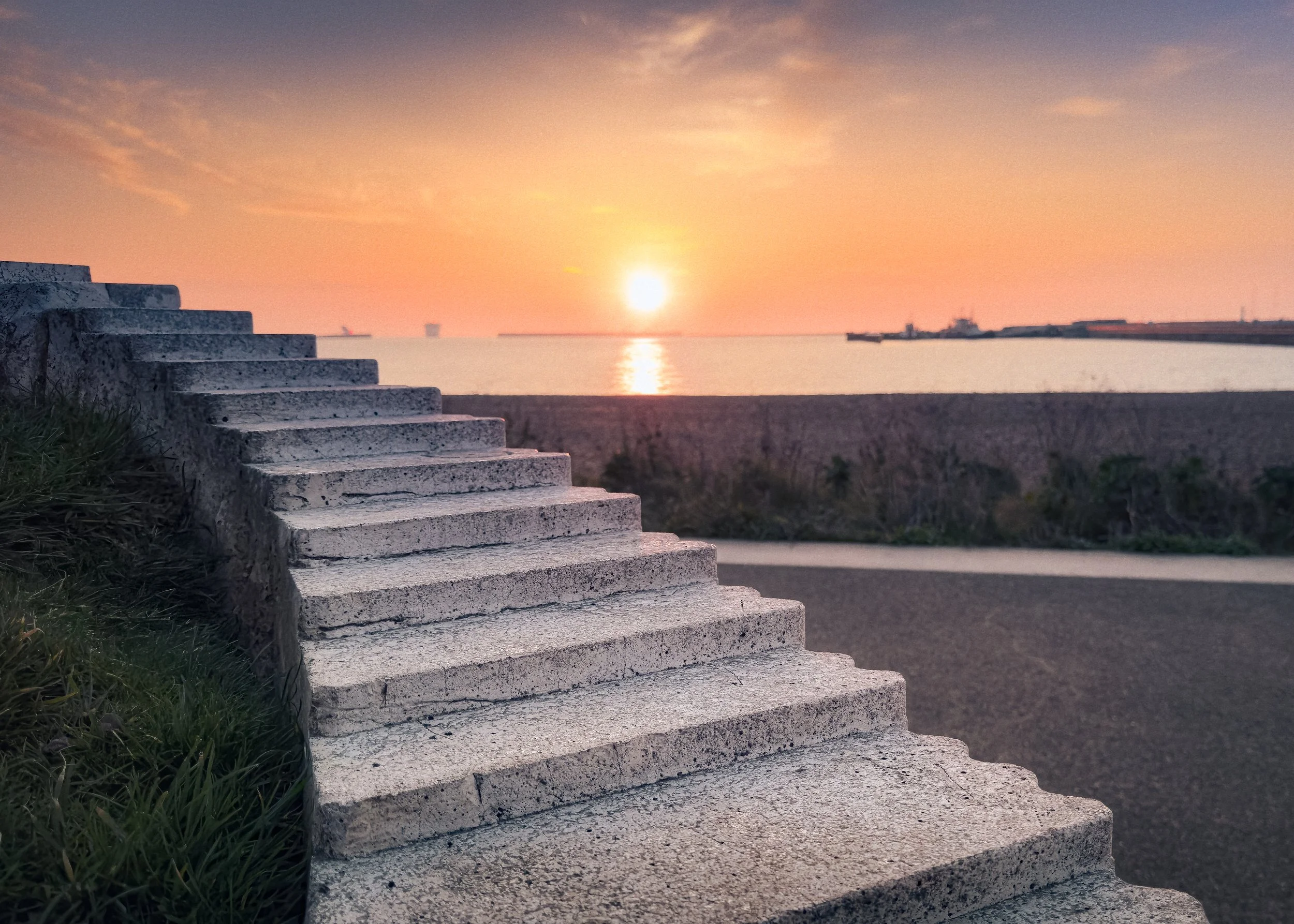
A low horizon works when the sky itself is the event — spectacular cloud formations lit from below, a clear gradient from amber to blue, a sun at the horizon with radiating light. Give the sky two-thirds of the frame and let it earn it.
A high horizon works when the golden light on the ground is more interesting than the sky — when you are photographing the warm raking light on a landscape, the texture of a field or a cliff face, or a foreground subject that golden-hour light is flattering rather than the sky above it.
Neither approach is automatically correct. What the discussion gives you is the habit of making the decision consciously, rather than defaulting to a mid-horizon because it seems safe.
Portraits in Golden Hour
Golden-hour light is flattering to faces in ways that harsh midday light is not: it is warm, soft enough not to create unpleasant shadows, and directional enough to give the face dimension. The standard approach — face the subject slightly toward the sun, so the light rakes across the face at an angle rather than hitting it flat-on — works well and consistently. The key refinements:
Sun to the side, not behind you. If you are shooting a face with the sun directly behind the camera, you get flat, shadowless, slightly ghoulish illumination. Move ninety degrees to the sun's position and photograph from the side: the light will model the face with shadows that give it depth.
A simple reflector. A white card, a piece of paper, the white-painted surface of a nearby wall — held on the shadow side of the face, these bounce enough warm fill light into the shadows to prevent them from going too dark. This is not a complicated technique; it is something you can do with whatever is to hand.
Eyes and squinting. A subject asked to look directly into the sun will squint. This is both uncomfortable for them and unflattering in the image. Position the subject so the sun is behind or to the side, not in their direct line of sight.
Exposure Management
The light at golden hour changes faster than most people expect. A stop or more in ten minutes as the sun approaches the horizon is not unusual. Your camera or phone's auto exposure will follow this, but it can produce unexpected results — exposing for the bright sky and silhouetting the foreground, or lifting the shadows and blowing the warm sky highlights.
On an iPhone: tap the area of the frame you want correctly exposed. The sun icon that appears beside the focus point can be swiped up or down to adjust exposure relative to that point. Lock exposure and focus by pressing and holding on the main subject. Check regularly — the light is not static.
Shooting in RAW gives significantly more post-processing latitude: highlights can be recovered, shadows lifted, and white balance adjusted without destructive quality loss. If you are serious about golden-hour work and not already shooting RAW on your phone, it is worth trying Halide (a third-party iOS camera app) or Lightroom Mobile for this purpose.
Resources
A focused, practical tutorial from a working street photographer on using golden-hour light specifically in urban street photography contexts. Covers backlight, silhouettes, and reflections in the city environment — complement to the landscape emphasis of most golden-hour guides.
A direct comparison of the same scene in golden hour and overcast conditions, which makes explicit the trade-offs discussed in the introduction to this article. Worth watching back to back with the McClelland video to see the contrasts in how different photographers use available light.
Most golden-hour tutorials are written around digital cameras and the assumption that you can check your exposure instantly and adjust. This one isn't. Shot on Fuji Pro 400H colour negative film, it covers the specific metering discipline that shooting on film demands: because the light shifts rapidly and you won't see your results until the roll comes back, intentional overexposure of one to two stops is standard practice — a margin of safety that digital shooters never need to think about.
The video also mentions the colour temperature of golden-hour light (~3,500 K) in practical rather than theoretical terms, and makes a quietly useful distinction between morning and evening golden hour: morning tends to be emptier and better for landscape, evening is easier for portraits simply because willing subjects are more available. Worth watching as a reminder that the light itself is the same regardless of what you're shooting with — and also, that you need to remove your lens cap and fondle your Mamiya in slow motion if you want to hang out with the cool kids.
PhotoPills is one of the best planning apps for serious landscape photographers, and this video is less a shooting tutorial than an explanation of the astronomy underneath the golden hour. It defines the period precisely by sun elevation angle (+6° to −4° above the horizon) rather than the vague "just after sunrise / just before sunset" description that most guides rely on, and then shows how to use the app's augmented-reality sky visualiser and location planner to predict exactly where the light will fall at a specific spot on a future date. If you've ever arrived at a location in beautiful golden-hour light and wished you'd known in advance which direction it would be coming from, this is the video that answers that problem methodically.
Give it a Try!
The Twilight Sequence
Set an alarm for 30 minutes before sunset on a day with reasonable weather. Go to a location with an open sky view — a park, a rooftop, a garden, a beach, somewhere you can see the horizon or the full sky without buildings or trees blocking it. Photograph the same scene or subject at roughly ten-minute intervals: starting twenty minutes before sunset and continuing until twenty minutes after. Aim for eight photographs in total.
Compare them on screen afterwards, in sequence. The aim is to see the full transition — from warm pre-golden light through the peak of golden hour, through the rapid shift at the moment of sunset, and into the blue hour — as a continuous sequence rather than as a collection of isolated conditions. Most people have experienced these transitions without photographing them systematically; photographing them systematically is how you learn to identify what stage you are actually in at any given moment, and what the light at that stage calls for photographically.
Against the Light
At golden hour, find a subject — a person, a tree, a building, anything with a clear edge — and photograph it facing the sun rather than with the sun behind you. Your aims are three, and you should make all three from the same location in the same session: (a) a silhouette, with the subject correctly underexposed against a bright sky; (b) a rim-lit image, where the warm light edges the subject and separates it from the background without fully silhouetting it; (c) a deliberate lens flare, with the sun just inside or just outside the frame and its effect visible in the image. The exercise teaches you what back-lighting at golden hour actually does — which is quite different from what it looks like when you just squint at it, and quite different again from what front lighting does in the same conditions.
The Blue Hour Stay
On the same occasion as exercise one or two, or on a separate occasion, stay until twenty to thirty minutes after sunset. Keep photographing the same scene, or move to a nearby location that includes artificial lights — street lamps, shop windows, lit signs, illuminated buildings. Notice what the sky colour is doing: the transition from warm amber at sunset to deep blue during civil twilight. Notice what is happening to the artificial lights as the sky darkens: they go from invisible, to faint, to balanced with the ambient, to dominant. Your aim is to discover whether you prefer golden hour or blue hour for a given subject — and to understand, concretely, that there is a productive photographic hour after the sun goes down that most photographers miss entirely by going home five minutes too early.