Fishing Off Dewstone Plains
Dewstone Plains sits on Nuia’s western flank as a bright, breezy stretch of countryside for mid‑teens characters, all rolling grassland, farmsteads and sharp outcrops that invite you to wander a little off the road. It’s pitched for roughly levels 15–20 and serves as the next step up after the starter zones, with a string of quests and exploration points that rewards you whether you’re there to level briskly, poke into odd corners, or quietly fill your bags with materials.
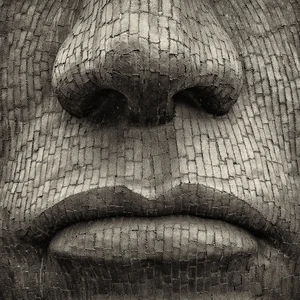
For gatherers, it’s a very comfortable patch of ground. Herb nodes are scattered through hollows and along streambeds, tucked away just far enough from patrol routes and public roads that you can work in peace if you’re careful. The eastern side of the zone is richer in ore; small cliffs and exposed rock faces hold clusters of mining nodes that, once you know the loops, make for reliable circuits to feed your crafting or the auction house. If you have the exploration bug, Dewstone is also full of named spots that double as cartographer achievements: the giant stone figure of the Canyon Colossus, the precarious heights of the Skyport Roof, the Bloodmist Mines burrowed into the hills, the Sandcloud Spire and Tidebreaker Colossus out towards the coast. They’re the sort of places you only find by following a path that looks like it shouldn’t go anywhere, and that’s part of the charm.
Combat‑inclined players gravitate to areas like Bloodmist Mines, where tougher mobs and denser packs provide a step up from the safer fields and roads. It’s easy enough to thread a path through Dewstone that sticks to story quests and main roads, but the zone feels more alive when you take detours—diving into a canyon for an explorer point, climbing a windmill, or slipping off towards the shoreline. Down on the coast, the mood changes again: the plains fall away to sandy bays and inlets where you can pause to fish, watch ships cut across the horizon, or just enjoy a quiet moment away from the constant scurry of trade runs and guild chat.
Out at sea, ArcheAge shifts gear. The oceans around Nuia and between the continents form a second map overlaying the first, full of currents, islands, trade routes and ambush points. Ships come in a variety of types and sizes: nimble clippers (including harpoon and adventure variants) that are quick enough for scouting, smuggling and small‑scale piracy; sturdy merchant ships and galleons built to haul large numbers of trade packs; and combat‑oriented vessels bristling with cannons and harpoon launchers for guild‑on‑guild sea fights. Choosing and fitting out a ship is as much about temperament as it is about role—whether you want to outrun trouble, stare it down, or head straight for the worst of it.
The seas themselves aren’t just empty blue space between ports. Weather, enemy NPC fleets, sea monsters and, most notably, other players all add friction. Event bosses like the Kraken and Lusca live out in deeper waters, drawing organised raids of warships and fishing boats looking for loot, materials and achievements. Pirates patrol popular trade lanes in everything from clippers to full warships, looking to intercept solo haulers or small convoys; anyone setting out from the Dewstone coast with trade packs or fish on board knows they’re signing up for a game of risk versus reward.
Fishing threads through both the quiet and the dangerous sides of that maritime game. Basic fishing off a pier or in sheltered bays is easy enough: a rod, some bait worms and a bit of patience will net you small fish for cooking or a modest bit of coin. Sport fishing, in lakes and especially in the open ocean, is a different beast. You look for schools of fish marked by circling birds, then hook and fight individual fish with a mini‑game that treats them as enemies with their own health bars. When you land one, it turns into a physical object slung across your back, effectively a trade pack that slows you down and has to be hauled to a fish stand for payment, or stacked on the deck racks of a fishing boat. Bigger catches and rarer species can be lucrative enough that organised fishing raids—fleets of clippers and fishing boats working a route, then sprinting home before pirates catch wind—become a regular part of guild life.
Dewstone Plains and the waters just beyond it show off what ArcheAge does best. On land you have that gentle, sun‑washed levelling flow with plenty of resource nodes and odd little landmarks to reward curiosity; off the coast, the game opens up into a harsher, more player‑driven space where every decision about where to sail, what to carry and when to cast a line carries real consequences. It’s a mix of calm and chaos that makes even a simple fishing trip off Dewstone feel like part of a much larger, unscripted world.